
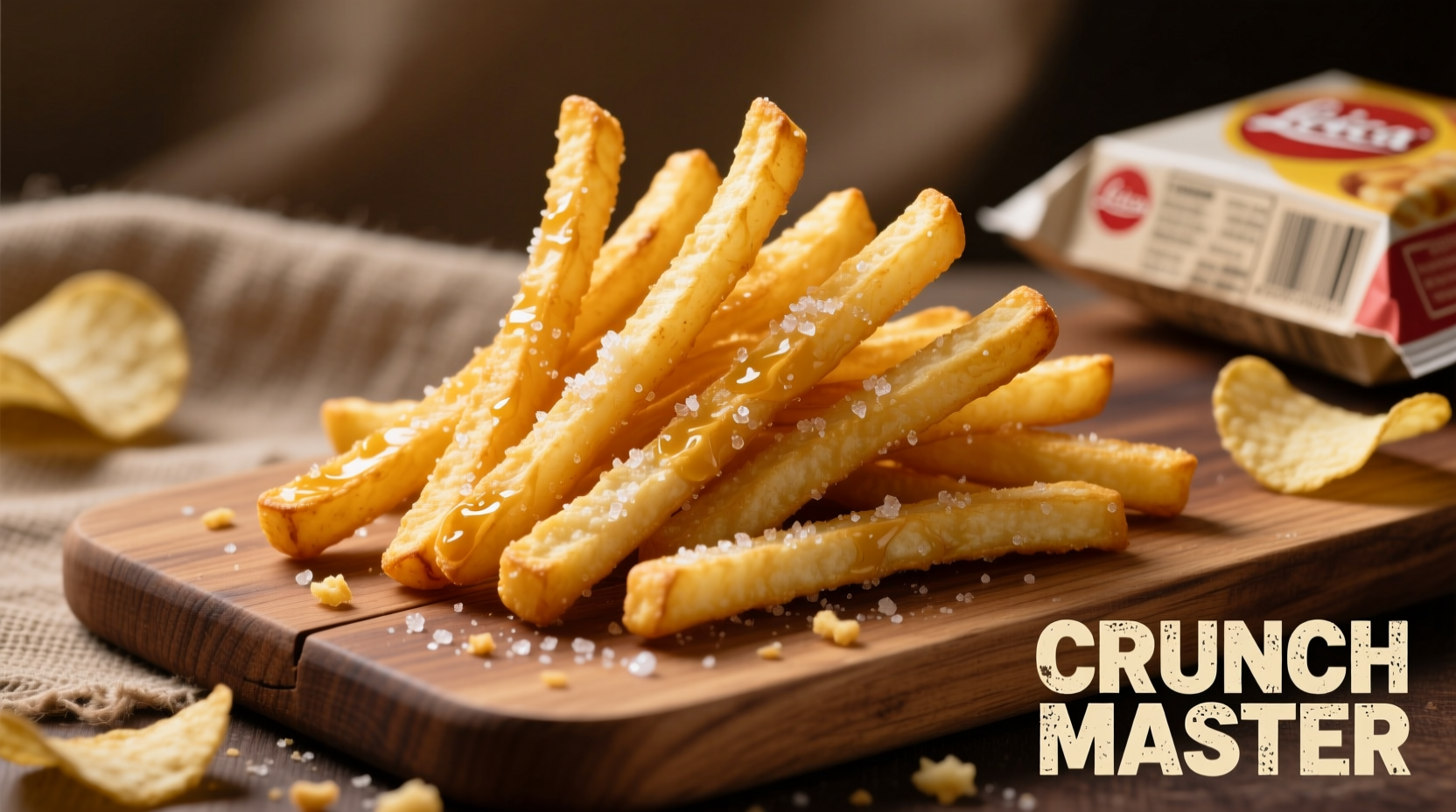
What Makes Potato Chip Stix Different From Regular Chips?
When you reach for a bag of potato chip stix, you're choosing a snack with a distinct manufacturing process and eating experience. Unlike traditional sliced or kettle-cooked chips, stix are formed by extruding potato-based dough through dies to create uniform stick shapes that are then fried or baked.
| Characteristic | Potato Chip Stix | Traditional Potato Chips |
|---|---|---|
| Shape | Thin sticks (3-5mm diameter) | Irregular or uniform circles |
| Manufacturing Process | Extruded dough | Sliced potatoes or reconstituted flakes |
| Texture | Crisp snap with less greasiness | Variable crunch, often oilier |
| Average Fat Content (per 1oz) | 8-10g | 10-14g |
The Evolution of Stick-Formatted Potato Snacks
Understanding how potato chip stix developed helps explain their current market position. The timeline below shows key innovations in stick-shaped potato snacks:
| Year | Development | Impact |
|---|---|---|
| 1950s | First extruded snack sticks introduced | Laid foundation for modern manufacturing techniques |
| 1978 | Pringles introduced curved cylindrical shape | Demonstrated market for non-traditional chip formats |
| 1990s | "Waffle cut" and "crinkle cut" sticks gained popularity | Expanded texture options beyond flat chips |
| 2010s | Health-focused brands introduced baked stix variants | Created lower-fat alternatives to traditional fried options |
Nutritional Profile: How Stix Compare to Other Snacks
According to USDA FoodData Central measurements, potato chip stix generally offer a slightly better nutritional profile than traditional chips while maintaining satisfying crunch. The key differences come down to surface area-to-volume ratio and oil absorption during manufacturing.
| Nutrient (per 28g serving) | Potato Chip Stix | Regular Potato Chips | Potato Crisps |
|---|---|---|---|
| Calories | 130-140 | 150-160 | 140-150 |
| Total Fat | 6-8g | 10-12g | 8-10g |
| Saturated Fat | 1-1.5g | 1.5-2g | 1.2-1.8g |
| Sodium | 150-180mg | 140-170mg | 160-190mg |
Source: USDA FoodData Central (accessed September 2023)
Flavor Varieties and Regional Preferences
Potato chip stix come in numerous flavor profiles, but regional preferences significantly influence which varieties succeed in different markets. Understanding these context boundaries helps explain why certain flavors dominate specific regions:
- North America: Classic salted, sour cream & onion, and barbecue remain most popular, with recent growth in spicy flavors like jalapeño and sriracha
- Europe: Sea salt, vinegar, and paprika dominate, with regional variations like dill in Scandinavia and cheese flavors in the UK
- Asia: Bold flavors prevail including seaweed, wasabi, and spicy curry, with texture often prioritized over intense seasoning
Market research from Statista (2022) shows that 68% of consumers choose stix for their distinctive texture rather than flavor innovation, highlighting how the format itself drives consumer preference.
Creative Ways to Enjoy Potato Chip Stix
While delicious straight from the bag, potato chip stix offer versatility beyond simple snacking. Professional chefs and home cooks alike have discovered creative applications that leverage their unique shape and texture:
- Salad toppers: The stick shape holds up better than crumbled chips when tossed with dressings
- Dipping vehicles: Their uniform shape creates perfect dippers for hummus, guacamole, or yogurt-based dips
- Casserole toppings: Provides consistent crunch throughout baked dishes without sinking
- Craft projects: Kids can use them for edible crafts like snack sticks or edible sculptures
How to Select Quality Potato Chip Stix
Not all potato chip stix deliver the same quality experience. When selecting a product, look for these indicators of quality:
- Ingredient transparency: Quality brands list specific potato varieties and oil types rather than vague "vegetable oil"
- Texture consistency: Stix should snap cleanly without crumbling or bending
- Flavor distribution: Seasoning should be evenly distributed without salty patches
- Packaging integrity: Look for resealable bags with oxygen absorbers to maintain freshness
Storage Tips for Maximum Freshness
Proper storage significantly extends the shelf life and maintains the crisp texture of potato chip stix. Follow these professional recommendations:
- Transfer opened bags to airtight containers to prevent moisture absorption
- Store away from strong odors as stix readily absorb surrounding smells
- Keep in a cool, dark place (not the refrigerator, which introduces moisture)
- Consume within 7-10 days of opening for optimal texture




 浙公网安备
33010002000092号
浙公网安备
33010002000092号 浙B2-20120091-4