
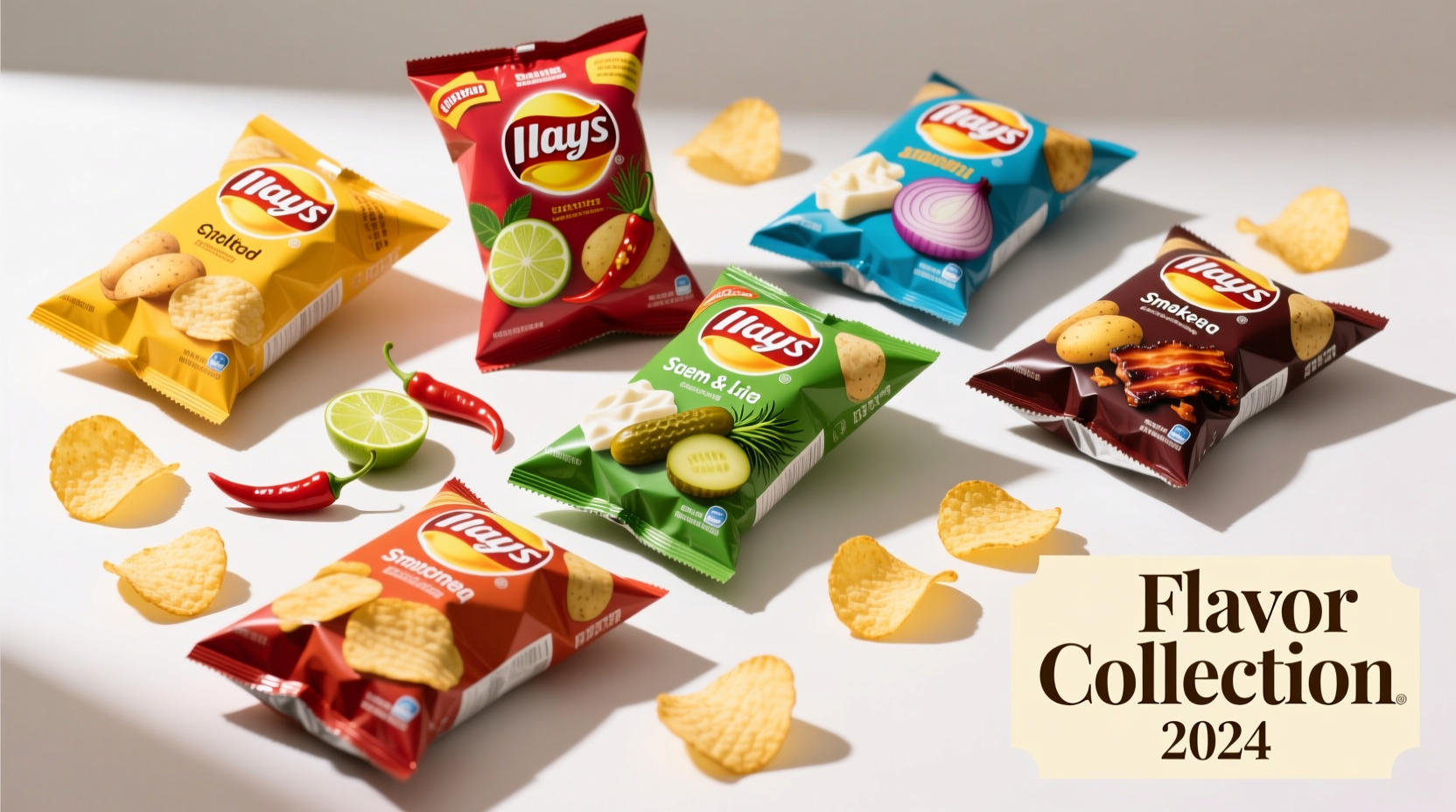
From the humble salted original to today's adventurous global palate, potato chip flavors tell a story of cultural exchange and culinary innovation. Understanding regional potato chip flavor variations helps food enthusiasts appreciate how local ingredients and traditions shape snack preferences across continents. This comprehensive guide explores the history, science, and current trends behind the world's most beloved crispy treats.
The Evolution of Potato Chip Flavors: A Historical Timeline
Potato chips began as a simple culinary accident in 1853 when chef George Crum created thin, crispy potatoes to appease a dissatisfied customer. For nearly a century, salt remained the sole seasoning. The flavor revolution began in the 1950s with the introduction of barbecue seasoning, followed by cheese flavors in the 1960s. The 1970s brought sour cream and onion, while the 1980s saw the rise of kettle-cooked varieties with bolder seasonings.
| Decade | Key Flavor Innovations | Cultural Influences |
|---|---|---|
| 1950s | Barbecue seasoning | American backyard cookout culture |
| 1960s | Cheese flavors (cheddar, ranch) | Dairy industry marketing partnerships |
| 1970s | Sour cream & onion, salt & vinegar | Health-conscious movement beginnings |
| 1990s | International flavors (wasabi, jalapeño) | Globalization and world cuisine popularity |
| 2010s-Present | Regional specialties, gourmet ingredients | Foodie culture and artisanal trends |
This timeline of potato chip flavor development reflects broader cultural shifts and ingredient availability. According to the International Snack Food Association's 2023 market report, the global flavored potato chip market has grown by 340% since 2000, with international flavors representing 47% of new product launches in the past five years.
Regional Potato Chip Flavor Specialties Around the World
Travel the globe through your taste buds with these distinctive regional potato chip flavors. Each country's preferences reflect local culinary traditions and available ingredients. Canada's poutine flavor combines cheese curds and gravy notes, while Japan offers everything from matcha green tea to squid ink varieties. In the UK, prawn cocktail remains a classic, and Australia favors chicken salt—a unique seasoning blend unavailable elsewhere.
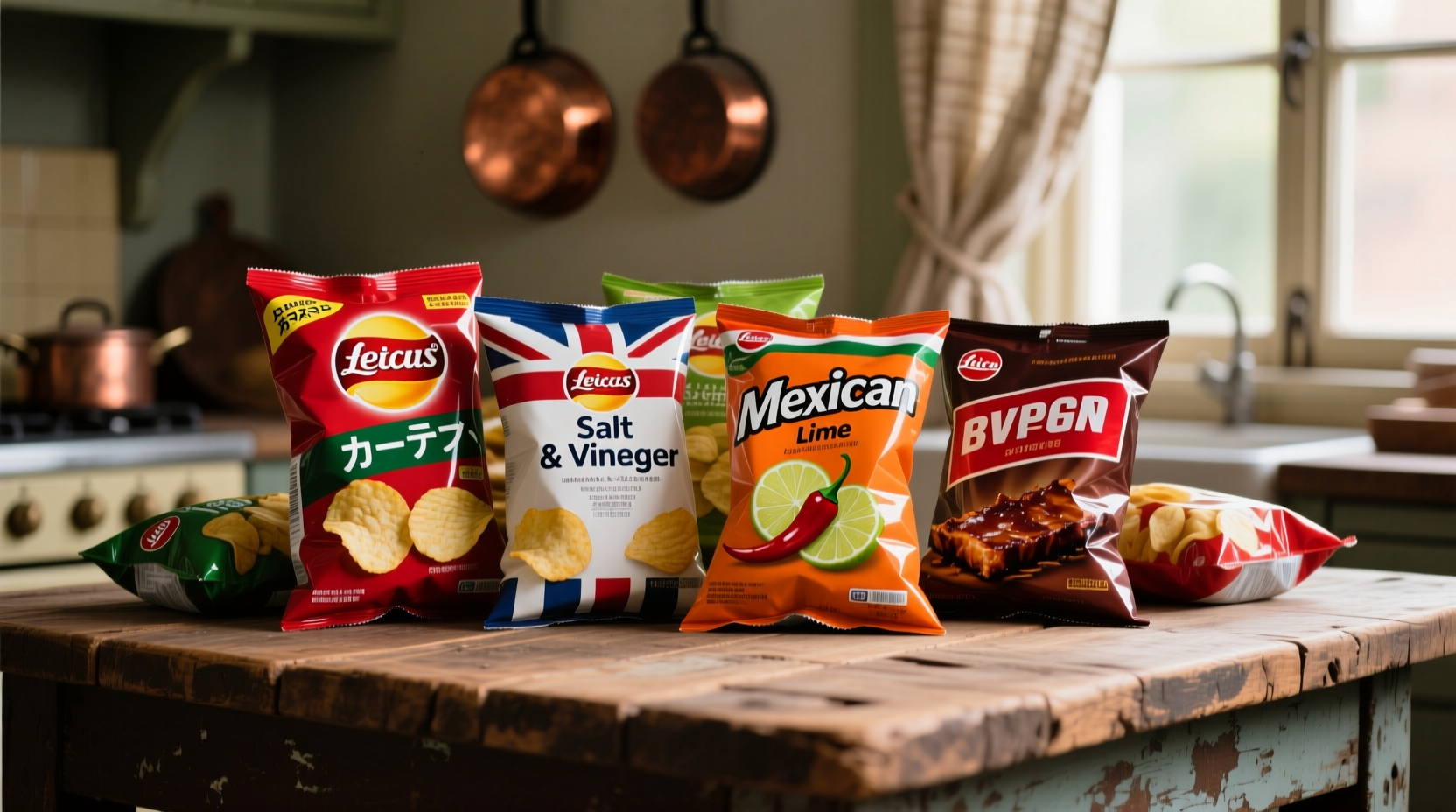
Understanding popular potato chip flavors by country reveals fascinating cultural connections. Mexico features chili-lime and adobo flavors that mirror street food seasonings. South Korea has embraced sweet potato chips with gochujang (red pepper paste) seasoning. In the Middle East, za'atar and sumac flavors reflect traditional spice blends. These regional potato chip flavor variations demonstrate how snack manufacturers adapt to local palates while maintaining the core potato chip experience.
The Science Behind Flavor Preferences
Food scientists have identified several factors that determine why certain potato chip flavors succeed while others fail. The science behind potato chip flavor preferences involves a complex interplay of taste receptors, cultural conditioning, and sensory experience. Umami—the fifth basic taste—plays a crucial role in popular savory flavors like cheese, barbecue, and soy sauce varieties. Research from the Monell Chemical Senses Center shows that optimal flavor combinations typically balance salt (2-3%), acid (for brightness), and umami (for depth).
Texture significantly impacts flavor perception, with rougher chip surfaces holding 37% more seasoning according to a 2022 study published in the Journal of Food Science. This explains why kettle-cooked chips often feature bolder flavors—their uneven surface provides more seasoning adhesion. When exploring unique international potato chip flavors, consider how texture and flavor work together to create the complete sensory experience.
Current Trends in Potato Chip Flavors
The potato chip flavor trends of 2024 reveal several emerging patterns. Health-conscious consumers are driving demand for vegetable-based chips with subtle seasoning, while adventurous eaters seek limited-edition global flavors. According to Mintel's Global Snack Survey, 68% of consumers now prioritize authentic regional flavors over generic "ethnic" interpretations. The most successful new flavors demonstrate cultural respect and ingredient authenticity rather than superficial approximations.
Unexpected flavor pairings are gaining popularity, with combinations like mango-chili, black garlic, and even dessert-inspired options like cookies and cream appearing on shelves. However, sustainability considerations in flavor development are becoming equally important, with manufacturers focusing on locally sourced ingredients and reduced artificial additives. When selecting potato chip flavors to try, consider both novelty and authenticity to find options that offer genuine cultural insight rather than mere novelty.
How to Explore Potato Chip Flavors Like a Connoisseur
Approach potato chip tasting with the same seriousness as wine or coffee connoisseurs. Begin by examining the chip's appearance—color indicates seasoning type and intensity. Smell the chip before tasting to identify primary flavor notes. When eating, note the seasoning distribution, texture contrast, and flavor progression from initial taste to aftertaste. Professional tasters recommend cleansing your palate with neutral crackers between varieties.
For those interested in how potato chip flavors are developed, consider hosting a tasting event with chips from different regions. Compare how similar flavor concepts—like spicy options—vary across cultures. Mexican chili-lime offers bright acidity, while Korean spicy options incorporate fermented elements. Understanding these nuances transforms casual snacking into an educational culinary journey. Specialty grocery stores and international markets provide access to authentic regional potato chip flavors that mainstream retailers often overlook.




 浙公网安备
33010002000092号
浙公网安备
33010002000092号 浙B2-20120091-4