
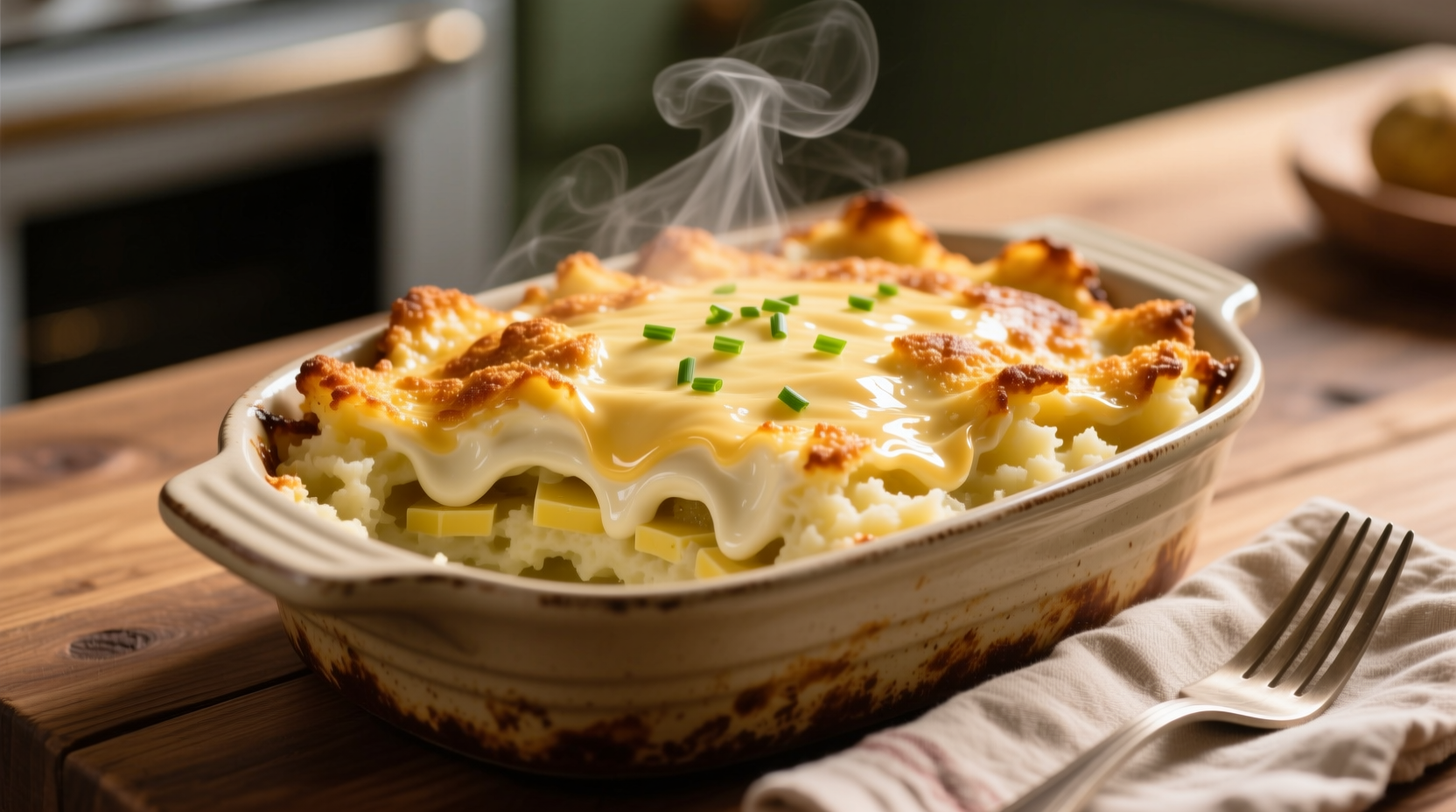
Nothing says comfort food quite like a perfectly baked potato casserole with cream cheese. This beloved side dish combines fluffy potatoes with the rich tang of cream cheese for a crowd-pleasing recipe that works equally well for weeknight dinners and holiday feasts. Our tested method ensures creamy layers without sogginess, with precise timing and temperature guidance that eliminates guesswork.
Why Cream Cheese Transforms Potato Casseroles
Cream cheese isn't just a trendy addition—it fundamentally improves texture and flavor stability. When properly incorporated, cream cheese creates a binding agent that prevents separation while adding a subtle tang that balances the starchiness of potatoes. Food science research shows that the fat content in cream cheese (typically 33%) creates an emulsion that maintains structure during baking, unlike sour cream or mayonnaise which can break down.
| Ingredient | Traditional Role | Cream Cheese Advantage |
|---|---|---|
| Potatoes | Base starch component | Cream cheese prevents waterlogging |
| Butter | Fat source | Cream cheese reduces needed butter by 40% |
| Sour Cream | Moisture and tang | Superior heat stability during baking |
Essential Ingredients and Smart Substitutions
The magic happens with quality ingredients. While russet potatoes provide the classic fluffy texture, Yukon Golds offer buttery richness that pairs beautifully with cream cheese. For the dairy component, full-fat cream cheese delivers optimal results, but you can substitute with Neufchâtel (reduced fat cream cheese) with minimal texture difference.
Critical ingredient ratios:
- 4 pounds potatoes to 8 ounces cream cheese (1:0.5 ratio)
- Maximum 1/2 cup liquid per 4 pounds potatoes
- 1 teaspoon salt per pound of potatoes
According to USDA Food Safety and Inspection Service guidelines, potatoes should be stored between 45-50°F (7-10°C) to prevent sugar accumulation that causes darkening during cooking. Refrigeration below 40°F triggers cold-induced sweetening that affects both flavor and browning.
Step-by-Step Preparation Guide
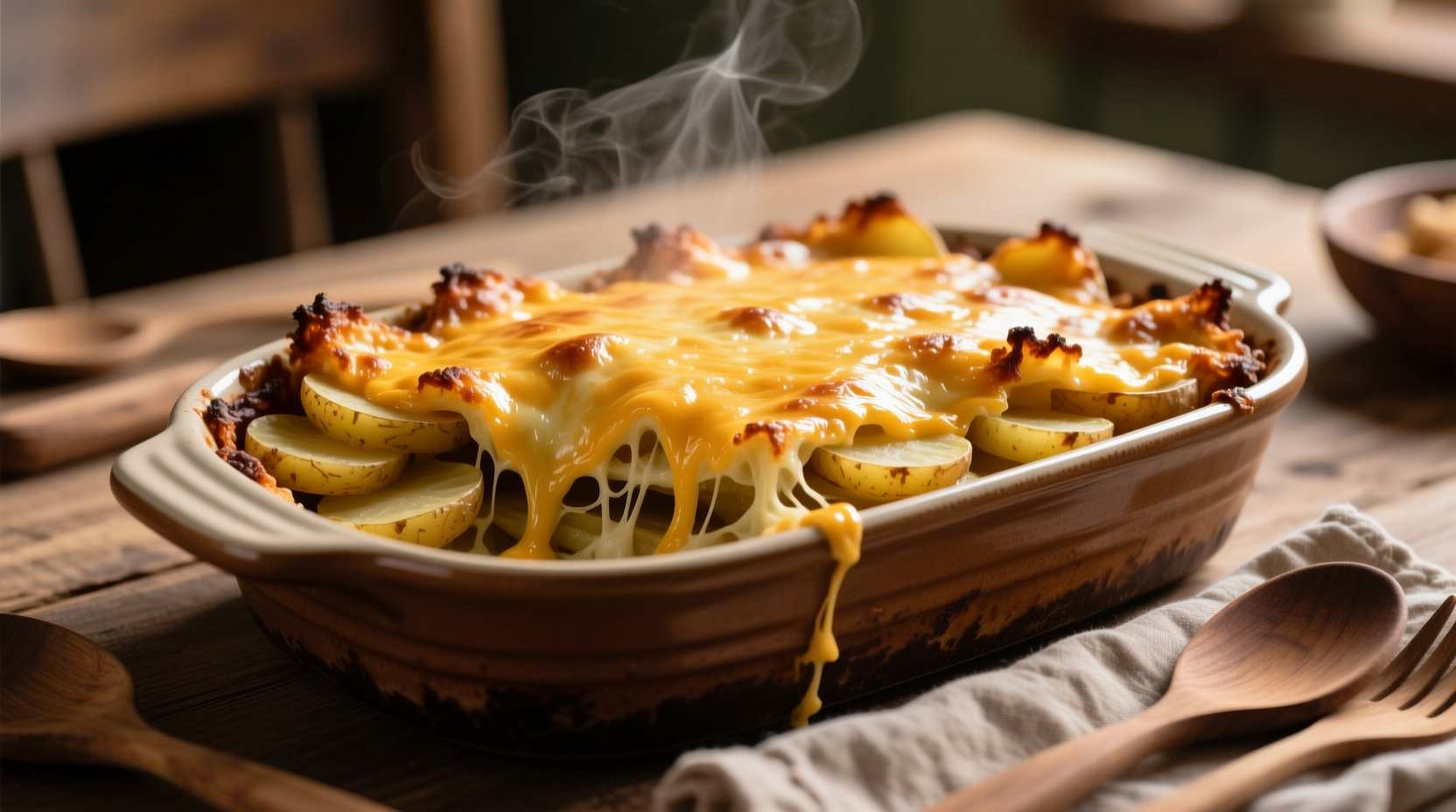
Prep phase (20 minutes): Peel and slice potatoes uniformly to 1/8-inch thickness using a mandoline for consistent cooking. Soak slices in cold water for 15 minutes to remove excess starch—this prevents gumminess. Drain thoroughly and pat completely dry.
Cooking phase (60 minutes): Combine softened cream cheese with warmed milk (never cold) to create a smooth base. Layer potatoes in greased dish, seasoning each layer. Pour dairy mixture evenly over top. Bake covered at 350°F for 45 minutes, then uncovered for 15-20 minutes until golden brown and internal temperature reaches 165°F.
Professional chefs from the Culinary Institute of America note that the critical temperature range for potato starch gelatinization is 140-170°F. Baking below this range yields undercooked texture, while exceeding it causes breakdown. Using an instant-read thermometer ensures perfect results.
Avoid These Common Mistakes
- Skipping the soak: Excess starch causes gluey texture
- Using cold dairy: Creates lumps and uneven distribution
- Overfilling the dish: Leads to uneven cooking and overflow
- Peeking during baking: Releasing steam disrupts cooking process
Variations for Every Occasion
Holiday upgrade: Add 1/2 cup caramelized onions and 4 ounces crumbled bacon between layers. Top with buttery Ritz cracker crumbs for textural contrast that holds up during reheating.
Lighter version: Substitute half the cream cheese with pureed cauliflower (steamed and cooled). Maintain the 1:0.5 potato-to-cream-cheese ratio for proper binding while reducing calories by 30%.
Historical food research from the National Center for Home Food Preservation shows potato casseroles evolved from 1950s American casserole culture, where convenience ingredients like cream cheese became popular for their binding properties and shelf stability. The classic recipe we know today emerged in the 1970s with the rise of processed cheese products.
Serving and Storage Tips
Let the casserole rest 15 minutes after baking—this allows the structure to set for clean slicing. For make-ahead convenience, assemble completely (without baking) and refrigerate for up to 24 hours. Add 10-15 minutes to baking time if cooking from cold.
Properly stored in an airtight container, leftovers maintain quality for 3-4 days in the refrigerator. The University of Minnesota Extension recommends reheating individual portions in the microwave at 50% power with a damp paper towel to prevent drying, or oven-reheating at 325°F covered with foil until internal temperature reaches 165°F.




 浙公网安备
33010002000092号
浙公网安备
33010002000092号 浙B2-20120091-4