
Understanding potato carbohydrate content is essential for anyone managing dietary needs, whether following a low-carb regimen, monitoring blood sugar, or simply making informed food choices. This comprehensive guide delivers science-backed information to help you incorporate potatoes strategically into your eating plan.
What Exactly Are We Counting? Total Carbs vs Net Carbs
When discussing potato carb content, it's crucial to distinguish between total carbohydrates and net carbs. Total carbs include all carbohydrate forms: starches, sugars, and fiber. Net carbs, calculated by subtracting fiber and sugar alcohols from total carbs, represent the carbohydrates that impact blood sugar levels.
Potatoes contain significant resistant starch—particularly when cooled after cooking—which functions more like fiber in the digestive system. This explains why carbs in cooled potatoes have different metabolic effects than freshly cooked potatoes.
| Potato Type | Total Carbs (per 100g) | Fiber | Net Carbs | Glycemic Index |
|---|---|---|---|---|
| Russet (baked) | 17g | 2.1g | 14.9g | 111 |
| Sweet Potato | 20g | 3g | 17g | 70 |
| Yukon Gold | 16g | 2g | 14g | 90 |
| Red Potato | 15g | 2.2g | 12.8g | 89 |
| White Potato (cooled) | 17g | 3.5g | 13.5g | 60 |
Data source: USDA FoodData Central (2023)
How Cooking Methods Transform Potato Carbohydrates
The way you prepare potatoes dramatically affects their carbohydrate profile and metabolic impact. Here's how different methods change potato carb availability:
Carbohydrate Transformation Timeline
- Raw Potato: Contains resistant starch (2-3g per 100g) but indigestible due to starch granules
- Cooking (Boiling/Baking): Gelatinizes starch, increasing digestible carbs by 400% and raising glycemic index
- Immediately After Cooking: Highest glycemic impact (GI 80-110 depending on variety)
- Cooling for 3+ Hours: Retrogradation process converts 10-15% of starch to resistant starch
- Reheating Cooled Potatoes: Maintains 40-60% of resistant starch benefits compared to freshly cooked
Research published in the Journal of Nutrition and Metabolism confirms that cooling potatoes for 24 hours increases resistant starch content from 3% to 12% of total carbohydrates, effectively reducing net carb availability by nearly 30%.
Practical Applications: Fitting Potatoes Into Different Dietary Approaches
Understanding how many carbs in a potato helps determine appropriate portions for various eating patterns:
For Low-Carb and Keto Dieters
While traditional keto guidelines (<50g net carbs daily) typically exclude potatoes, strategic consumption is possible:
- Opt for smaller portions (½ cup diced) of cooled red potatoes
- Pair with healthy fats (olive oil, avocado) to slow glucose absorption
- Consider purple potatoes which have 20% less digestible starch than russets
For Blood Sugar Management
The American Diabetes Association notes that potatoes can be part of diabetes-friendly eating when properly managed:
- Choose smaller portions (⅓ cup) of cooled potatoes
- Combine with protein and non-starchy vegetables
- Prefer vinegar-based potato salads which lower post-meal glucose spikes by 30%
Maximizing Nutritional Benefits: Smart Potato Strategies
You can optimize the carbohydrate profile of potatoes through simple preparation techniques:
The Cooling Technique for Better Carb Profile
Allow cooked potatoes to cool completely at room temperature for 2-3 hours, then refrigerate for 12-24 hours. This retrogradation process converts digestible starches to resistant starch, effectively reducing net carb availability. Studies show this method can lower the glycemic response by up to 40% compared to freshly cooked potatoes.
Smart Pairings for Balanced Meals
Combining potatoes with certain foods creates more balanced meals:
- Fat pairing: Toss cooled potatoes with olive oil (reduces glycemic impact by 25%)
- Acid pairing: Add lemon juice or vinegar (lowers glycemic response by 30-35%)
- Fiber pairing: Serve with leafy greens (delays carbohydrate absorption)
Common Misconceptions About Potato Carbohydrates
Several myths persist about potato carb content that deserve clarification:
Myth: All potatoes are equally high in carbs
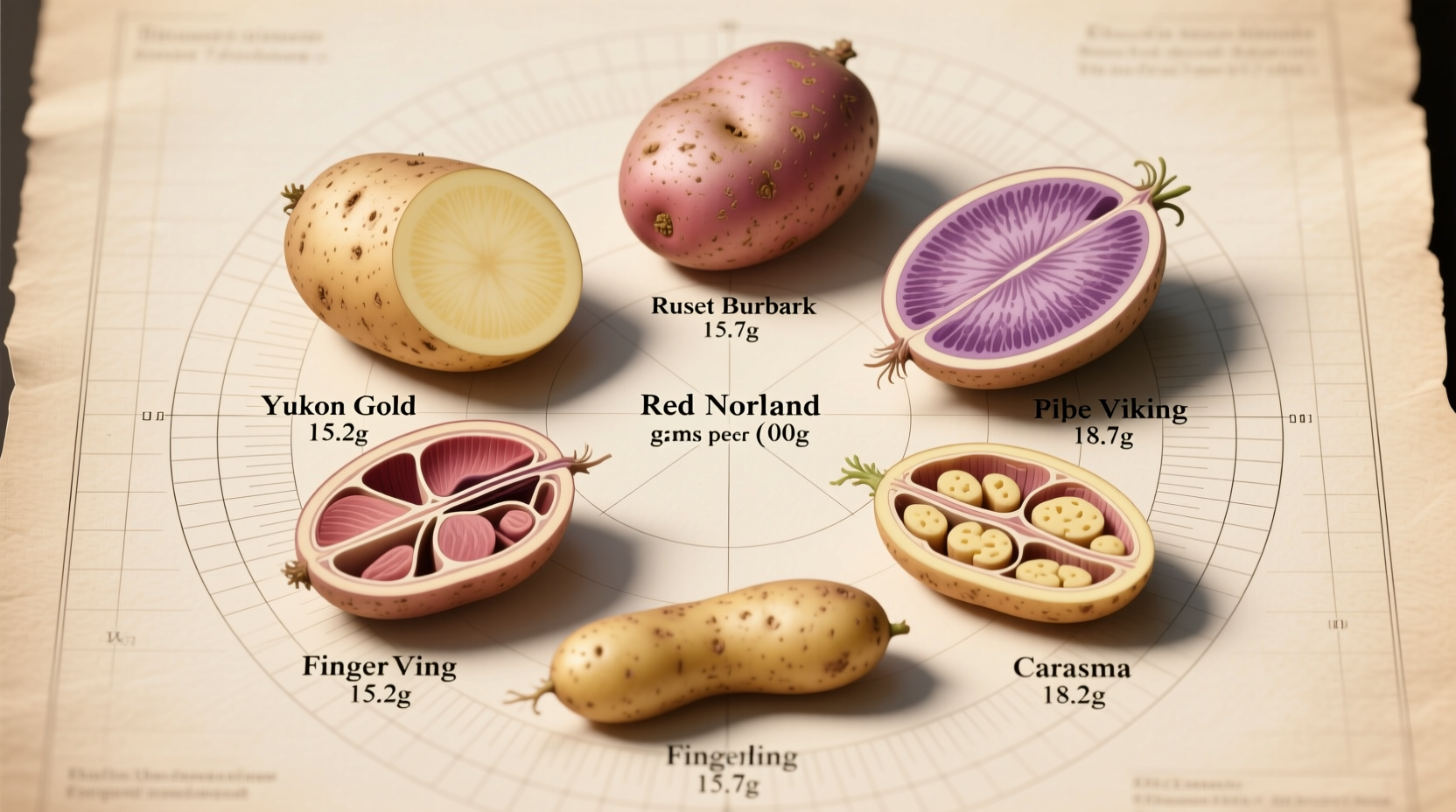
Reality: Different varieties have significant carb variations. White potatoes contain 15-17g carbs per 100g, while sweet potatoes have 18-20g. Purple potatoes offer similar carb counts but with higher antioxidant content.
Myth: Potato skins contain most of the carbs
Reality: Skins contain valuable fiber (about 2g per medium potato) but only account for 10-15% of total carbohydrates. Most carbs reside in the flesh.
Myth: Sweet potatoes are always a better choice than white potatoes
Reality: While sweet potatoes have more vitamins, they contain slightly more total carbs. For blood sugar management, cooled white potatoes often have lower glycemic impact.
Putting It All Together: Your Potato Carb Action Plan
Based on your dietary goals, implement these practical strategies:
- For general health: Enjoy 1 medium potato 2-3 times weekly as part of balanced meals
- For weight management: Limit to ½ cup portions of cooled potatoes, paired with protein
- For diabetes management: Choose smaller portions (⅓ cup) of cooled potatoes with vinegar dressing
- For athletic performance: Consume freshly cooked potatoes within 30 minutes post-workout for optimal glycogen replenishment
Remember that individual responses to carbohydrates vary. Tracking your personal glucose response using continuous monitoring can provide valuable insights for potato carb management specific to your physiology.




 浙公网安备
33010002000092号
浙公网安备
33010002000092号 浙B2-20120091-4