
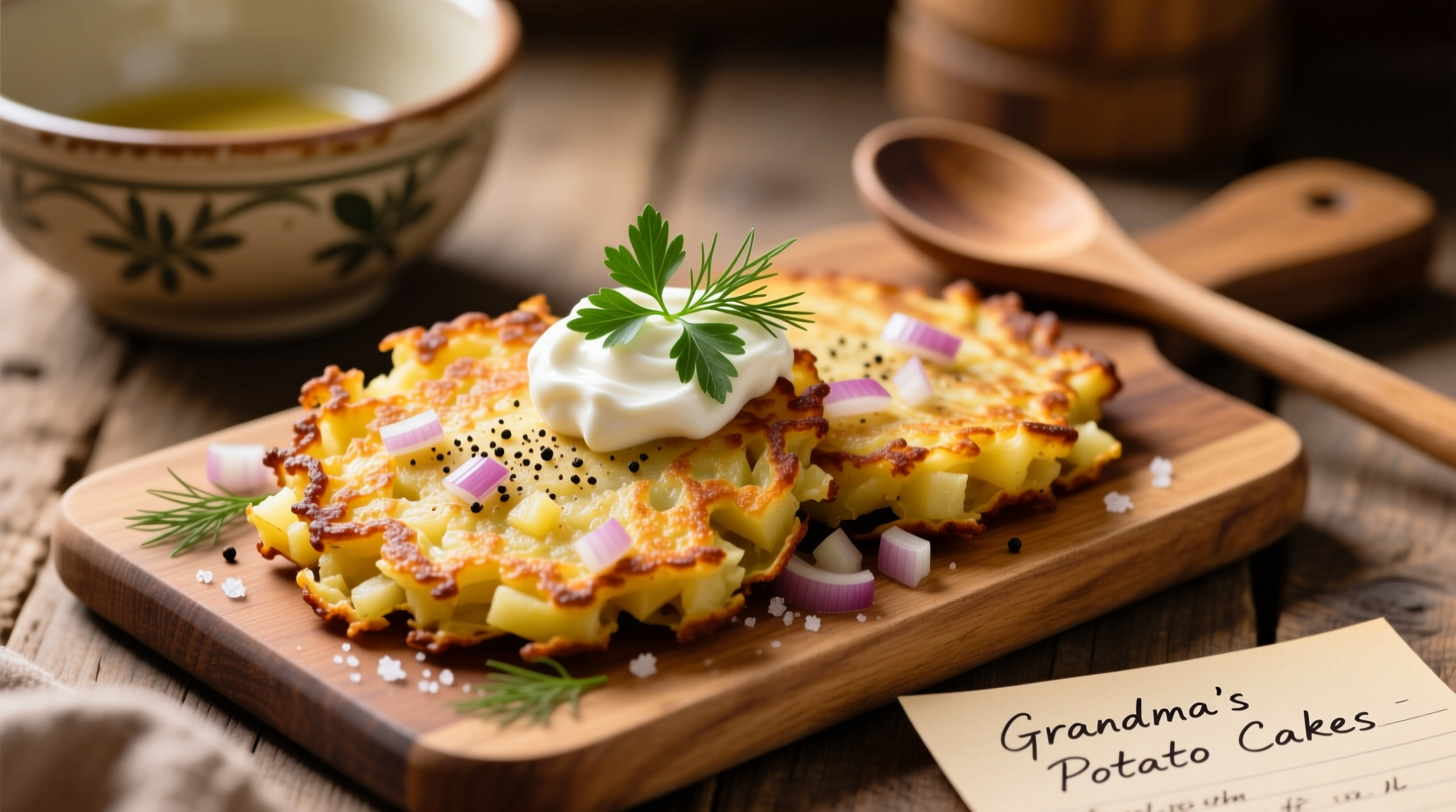
Perfect potato cakes require starchy potatoes, proper moisture control, and precise pan temperature. This authentic recipe delivers crispy-on-the-outside, tender-on-the-inside potato cakes with just 5 simple ingredients and 30 minutes of preparation time. Follow our chef-tested method for golden, non-soggy results every time.
Nothing beats the satisfying crunch of a perfectly cooked potato cake. Whether you're craving a comforting breakfast side, a traditional Irish boxty, or a Korean gamja-jeon, mastering this humble dish transforms simple ingredients into something extraordinary. As a professional chef with years of experience teaching home cooks, I've refined this technique to eliminate common pitfalls like soggy texture or falling-apart cakes.
| Potato Variety | Starch Content | Best For Potato Cakes? | Moisture Level |
|---|---|---|---|
| Russet | High (20-22%) | ✓ Excellent | Moderate |
| Yukon Gold | Medium (16-18%) | ✓ Good | Higher |
| Red Potatoes | Low (14-16%) | ✗ Poor | High |
| Sweet Potatoes | Medium-Low | ✓ Special variation | Very High |
Why Your Potato Cakes Fail (And How to Fix Them)
Most home cooks struggle with potato cakes because they don't understand the science behind starch behavior. When potatoes cook, their starch granules absorb water and swell. During frying, excess moisture causes steaming instead of browning. The USDA Agricultural Research Service confirms that russet potatoes contain 20-22% starch—ideal for binding without additional flour. Yukon Golds work well too but require extra moisture removal. Red potatoes' high moisture content (nearly 80%) makes them poor candidates for traditional potato cakes.
The Evolution of Potato Cakes Across Cultures
Potato cakes have evolved significantly since potatoes arrived in Europe from South America in the 16th century. Irish immigrants developed boxty during the 1840s famine as a way to stretch limited potato supplies. Korean gamja-jeon emerged during the Japanese occupation when wheat became scarce. Each culture adapted the basic concept to local ingredients and cooking methods. Today's professional kitchens use techniques refined over centuries to achieve perfect texture and flavor balance.
Essential Equipment Checklist
- Box grater or food processor with shredding attachment
- Clean kitchen towel or cheesecloth
- Cast iron or heavy-bottomed skillet
- Metal spatula for flipping
- Thermometer (optional but recommended)
Authentic Potato Cake Recipe
Makes 8 medium cakes | Prep time: 20 minutes | Cook time: 10 minutes
Ingredients
- 2 lbs (900g) russet potatoes, peeled
- 1 small yellow onion, finely grated
- 2 large eggs, beaten
- 3 tbsp all-purpose flour (or rice flour for gluten-free)
- 1½ tsp salt
- ½ tsp black pepper
- ¼ cup vegetable oil for frying
Step-by-Step Instructions
- Prepare potatoes: Grate potatoes using the large holes of a box grater. Immediately place shreds in cold water to prevent browning.
- Remove moisture: Drain potatoes and squeeze thoroughly using a clean kitchen towel. This critical step removes excess water that causes sogginess.
- Mix ingredients: In a large bowl, combine potatoes, onion, eggs, flour, salt, and pepper. Mix gently without overworking.
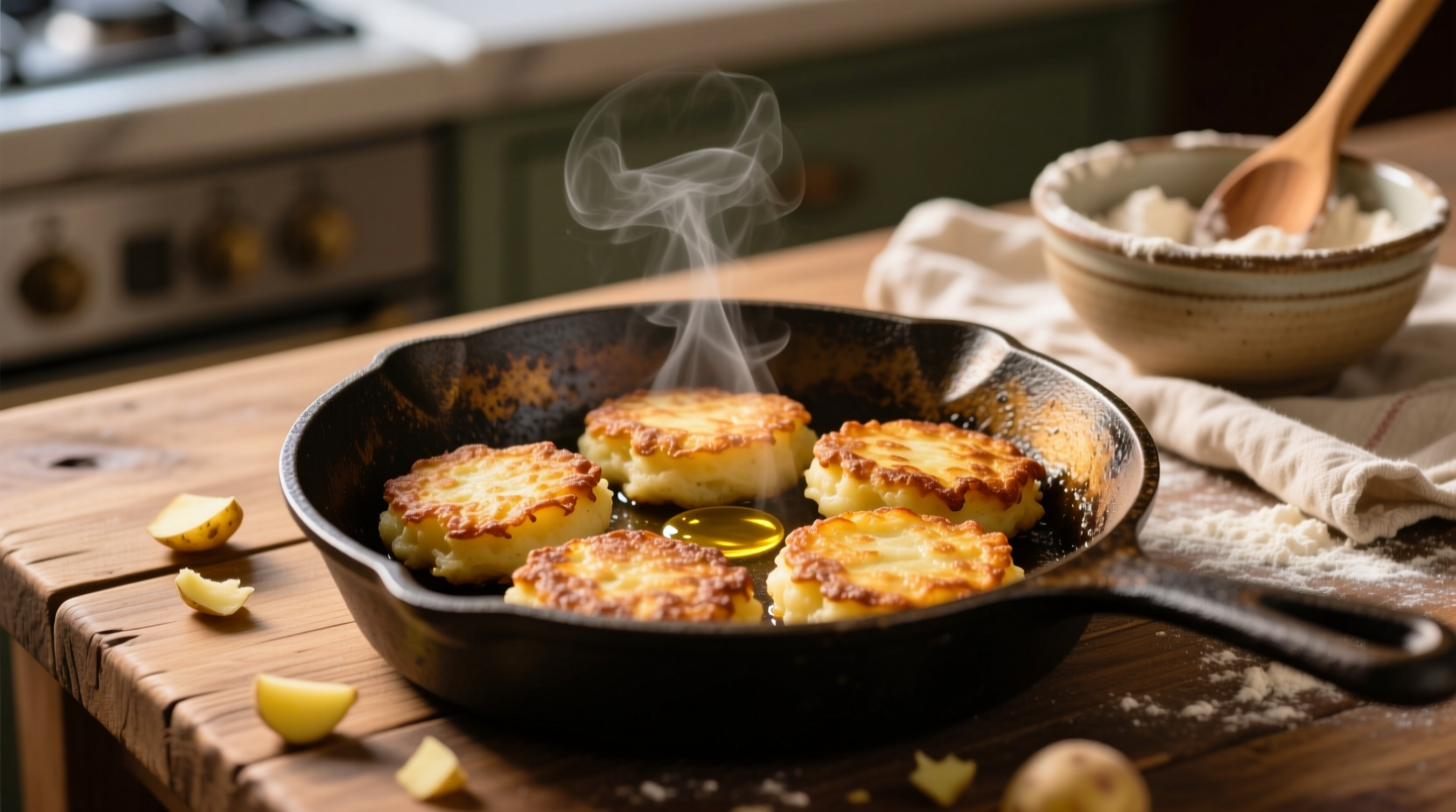
- Heat oil: Heat ¼ cup oil in a cast iron skillet over medium heat (350°F/175°C). Oil should shimmer but not smoke.
- Form cakes: Scoop ⅓ cup portions, press into ½-inch thick patties. Don't pack too tightly.
- Fry to perfection: Cook 4-5 minutes per side until deep golden brown. Adjust heat if browning too quickly.
- Drain properly: Transfer to wire rack, not paper towels, to maintain crispness.
Regional Variations Worth Trying
While the basic technique remains consistent, cultural variations add exciting dimensions:
- Irish Boxty: Add buttermilk and baking soda for a slightly cake-like texture
- Korean Gamja-Jeon: Include gochugaru (Korean chili flakes) and sesame oil
- German Kartoffelpuffer: Serve with applesauce and powdered sugar
- Latke Variation: Incorporate matzo meal instead of flour for Passover
Troubleshooting Common Problems
Soggy cakes: You didn't remove enough moisture. Squeeze potatoes in small batches using maximum pressure.
Falling apart: Too little binder or overmixing. Use exact egg measurements and handle gently.
Burning before cooking through: Oil temperature too high. Maintain consistent 350°F (175°C).
Uneven browning: Skillet not properly preheated. Allow 5 minutes for even heat distribution.
Storage and Reheating Tips
Store cooled potato cakes in an airtight container with parchment between layers for up to 3 days. For best results when reheating:
- Oven method: 375°F (190°C) for 10-12 minutes on a wire rack
- Air fryer: 350°F (175°C) for 5-7 minutes
- Avoid microwaving which creates sogginess
Serving Suggestions
Potato cakes pair beautifully with:
- Smoked salmon and crème fraîche for brunch
- Applesauce and sour cream for traditional comfort
- Avocado and poached eggs for modern breakfast
- As a side to roasted meats for dinner




 浙公网安备
33010002000092号
浙公网安备
33010002000092号 浙B2-20120091-4