
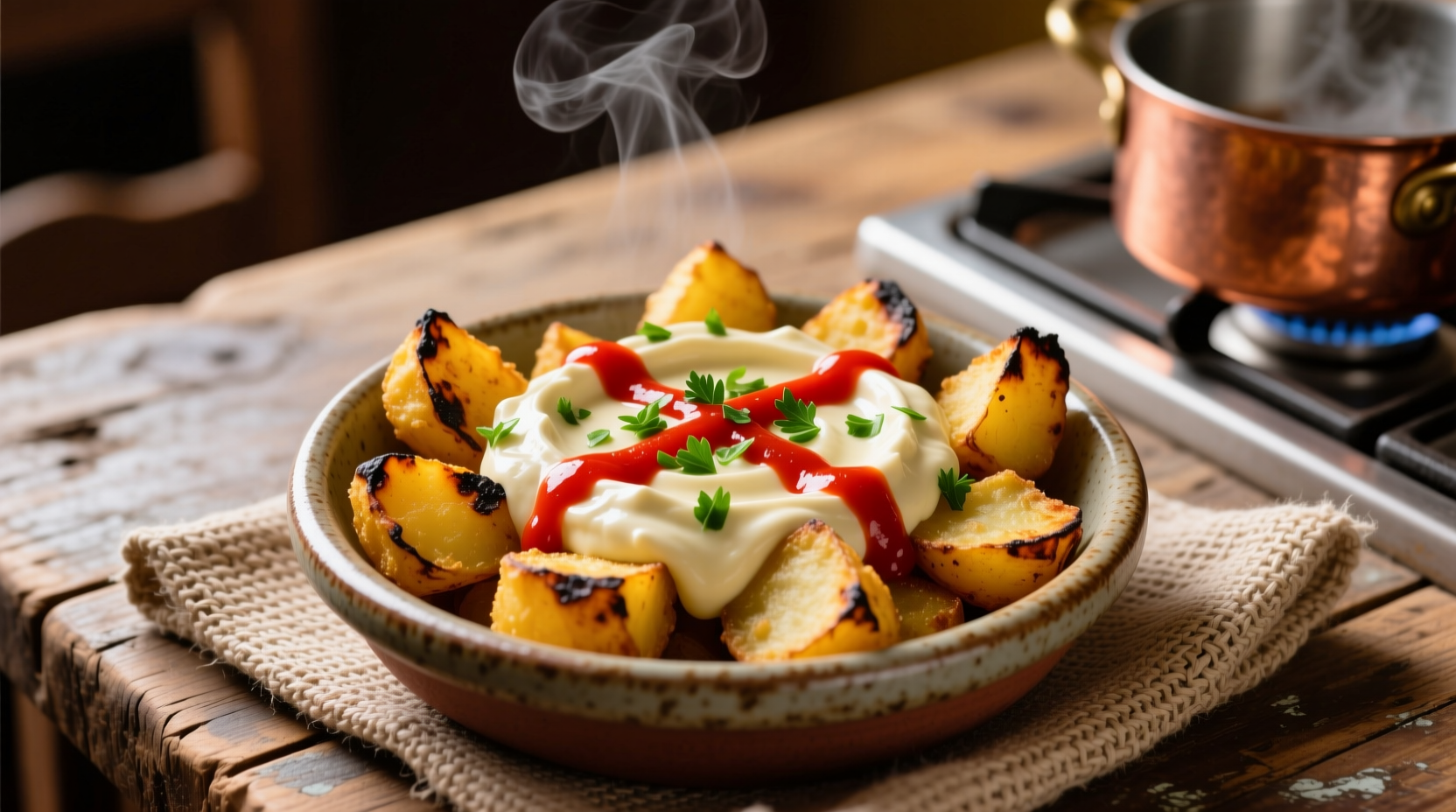
Discover everything you need to create authentic potato bravas at home—from the precise frying technique that delivers that perfect crispy exterior to the traditional sauce variations that define this beloved Spanish tapas dish. Whether you're hosting a tapas night or simply craving a taste of Spain, this guide provides the historical context, ingredient insights, and step-by-step instructions to elevate your potato bravas from ordinary to extraordinary.
The Evolution of Spain's Beloved Tapas Dish
Patatas bravas emerged in early 20th century Spain, though its exact origins remain debated among culinary historians. Some food scholars trace the dish to Madrid's La Bodega de las Bravas, which claims to have invented the "bravas" name in the 1910s. Others suggest the dish evolved from traditional Spanish fried potato preparations that incorporated New World ingredients like tomatoes and chili peppers after their introduction to Europe.
By the 1970s, potato bravas had become a staple across Spanish tapas bars, with regional variations developing throughout the country. Northern regions often feature a tomato-based sauce with smoked paprika, while southern versions might incorporate garlic and cayenne for extra heat. This evolution reflects Spain's diverse culinary landscape and the adaptability of this simple yet satisfying dish.
Authentic Ingredients Breakdown
The magic of perfect potato bravas lies in selecting the right ingredients. While seemingly simple, each component plays a crucial role in achieving that authentic Spanish tapas experience.
| Ingredient | Traditional Spanish Choice | Substitute Options | Why It Matters |
|---|---|---|---|
| Potatoes | Monalisa or Agata varieties | Yukon Gold or Russet | Waxy potatoes maintain structure during double-frying |
| Oil | Extra virgin olive oil | Peanut or avocado oil | High smoke point essential for proper frying technique |
| Bravas Sauce Base | Tomato, smoked paprika, cayenne | Tomato paste, hot sauce | Authentic flavor profile requires specific spice balance |
| Finishing Touch | Sea salt flakes | Regular table salt | Larger crystals adhere better to crispy surface |
The Double-Fry Technique: Secret to Perfect Crispness
Professional Spanish chefs universally agree that the double-fry method is non-negotiable for authentic potato bravas. This technique ensures maximum crispness while maintaining a fluffy interior.
First fry: Cut potatoes into 1-inch cubes and submerge in oil heated to 300°F (150°C) for 8-10 minutes until tender but not browned. This cooks the interior without creating color. Remove and drain thoroughly.
Second fry: Increase oil temperature to 375°F (190°C) and return potatoes for 2-3 minutes until golden brown and ultra-crispy. The higher temperature creates that signature crunch while the pre-cooked interior remains light and fluffy.
Traditional Sauce Variations Across Spain
While many outside Spain assume potato bravas always come with a spicy tomato sauce, regional variations tell a different story. Understanding these distinctions separates authentic preparation from common misconceptions.
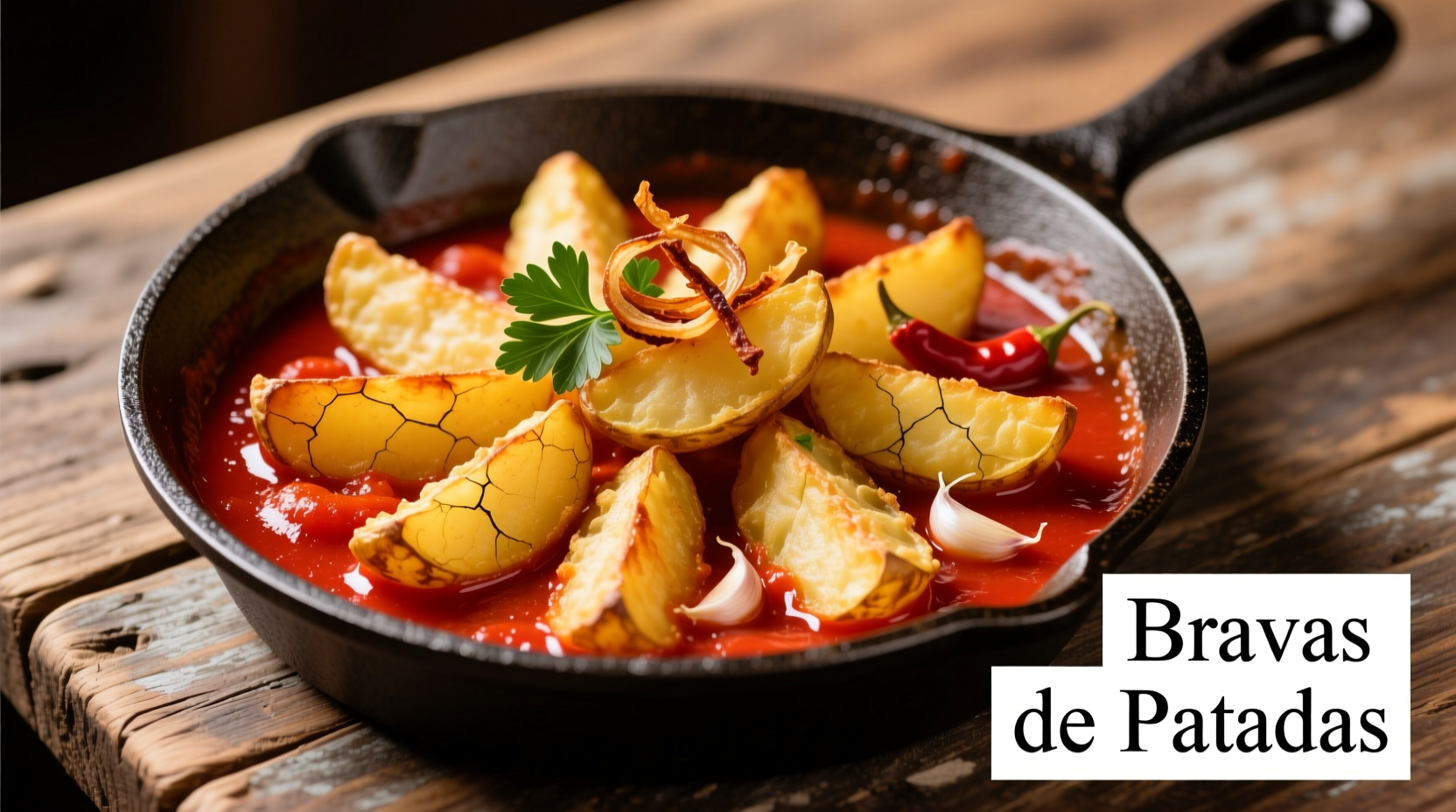
In Madrid and central Spain, the classic salsa brava features a tomato base with smoked paprika (pimentón) and cayenne pepper, creating that signature spicy kick. Northern regions like Catalonia often serve bravas with allioli (garlic aioli) alongside or instead of the tomato sauce. Some coastal areas incorporate seafood elements into their sauces, reflecting local culinary traditions.
When preparing authentic potato bravas, consider these sauce options:
- Classic Bravas Sauce: Simmer tomato sauce with smoked paprika, garlic, cayenne, and a splash of sherry vinegar for 15 minutes
- Allioli Variation: Traditional garlic aioli made with egg yolks, garlic, olive oil, and lemon juice
- Modern Fusion: Chipotle-infused bravas sauce for a smoky depth with Mexican influence
Avoiding Common Preparation Mistakes
Even experienced home cooks encounter pitfalls when attempting authentic potato bravas. Understanding these context-specific limitations ensures better results:
- Oil temperature mistakes: Frying at a single temperature results in either soggy or burnt potatoes. The double-fry method at precise temperatures is essential.
- Incorrect potato variety: Waxy potatoes like Yukon Gold work best; starchy varieties like Russet can become too soft during cooking.
- Sauce consistency issues: Bravas sauce should coat the back of a spoon but not be overly thick—adjust with water or stock as needed.
- Overcrowding the fryer: Adding too many potatoes at once drops oil temperature, preventing proper crisping.
Serving Traditions and Pairing Suggestions
Authentic Spanish tapas culture emphasizes sharing and balance. When serving potato bravas:
- Present in small portions on traditional tapas plates
- Serve immediately after frying while potatoes are at peak crispness
- Offer both sauce options when possible—many Spanish bars provide both bravas sauce and aioli
- Pair with a crisp Spanish white wine like Albariño or a light red like Tempranillo
- Complement with other traditional tapas like jamón ibérico or marinated olives
The ideal potato bravas experience balances textures and temperatures—crispy hot potatoes with cool, creamy aioli or warm, spicy tomato sauce. This contrast creates the satisfying sensory experience that has made the dish a Spanish institution for generations.




 浙公网安备
33010002000092号
浙公网安备
33010002000092号 浙B2-20120091-4