
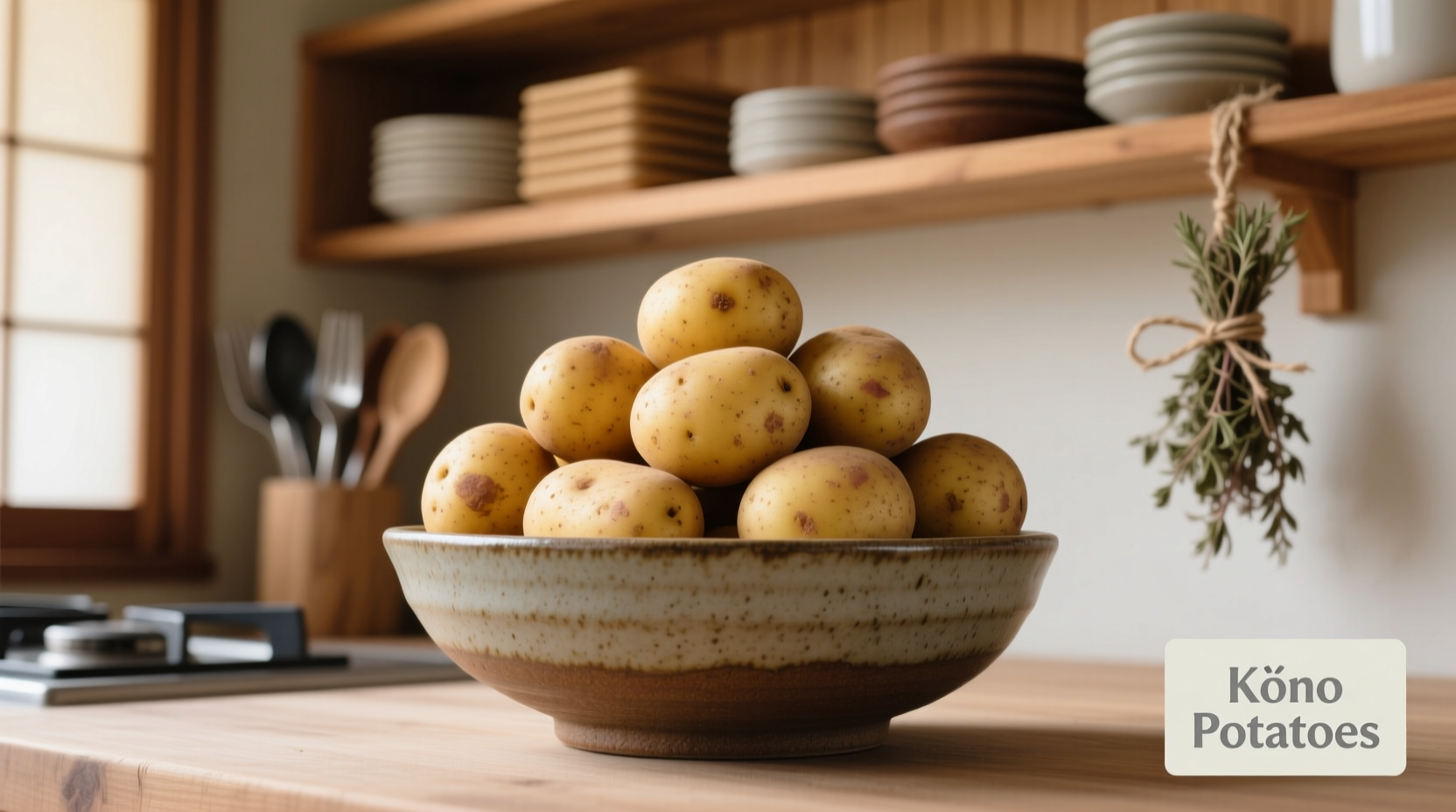
What Exactly Is a Potato Bowl?
At its core, a potato bowl combines creamy mashed potatoes or roasted potato chunks as the foundation for layered toppings. Unlike traditional baked potatoes served in their skins, potato bowls use potatoes as a base rather than a container, allowing for greater ingredient flexibility and visual presentation. This dish has evolved from humble shepherd's pie origins to become a customizable meal solution for home cooks and restaurants alike.
The Evolution of Potato Bowls: From Farmhouse to Food Trend
Potatoes arrived in Europe from South America in the 16th century, but potato-based comfort foods didn't gain widespread popularity until the 19th century. The modern potato bowl concept emerged as home cooks sought efficient ways to repurpose leftovers while creating visually appealing meals. Recent food truck culture has elevated this humble dish into a customizable culinary experience.
| Era | Development | Key Influences |
|---|---|---|
| 1800s | Shepherd's pie and cottage pie variations | British working-class meals using leftover meat and potatoes |
| 1950s | Casserole-style potato dishes | American post-war convenience cooking trends |
| 2010s | Food truck "loaded potato bowls" | Street food culture emphasizing customization |
| Present | Gourmet restaurant interpretations | Farm-to-table movement and global flavor fusion |
Nutritional Profile: More Than Just Comfort Food
Contrary to popular belief, potato bowls can form the basis of nutritionally balanced meals when properly constructed. According to USDA FoodData Central, a medium potato (150g) provides 26% of your daily vitamin C needs, 25% of potassium requirements, and 3 grams of fiber. The key to nutritional optimization lies in your topping choices and preparation methods.
Essential Potato Bowl Components
Creating an exceptional potato bowl requires attention to three critical elements:
1. The Potato Base
Choose between mashed or roasted potato foundations:
- Mashed potato base: Ideal for creamy textures and smooth layering. Use Yukon Gold potatoes for naturally buttery flavor without excessive added fats.
- Roasted potato base: Provides textural contrast with crispy edges. Russet potatoes work best for this preparation method.
2. Flavor Builders
Professional chefs recommend these flavor-enhancing techniques:
- Infuse milk with garlic and herbs before making mashed potatoes
- Add a tablespoon of mustard for depth in mashed preparations
- Use potato cooking water to adjust consistency instead of additional dairy
- Finish roasted potatoes with vinegar spray for enhanced crispness
3. Strategic Toppings
Balance your bowl using the chef's quadrant method:
- Protein (25% of bowl) - grilled chicken, black beans, or tofu
- Vegetables (50% of bowl) - roasted broccoli, sautéed spinach, or grilled peppers
- Sauce (15% of bowl) - herb yogurt, cheese sauce, or chimichurri
- Crispy element (10% of bowl) - fried onions, toasted nuts, or crumbled bacon
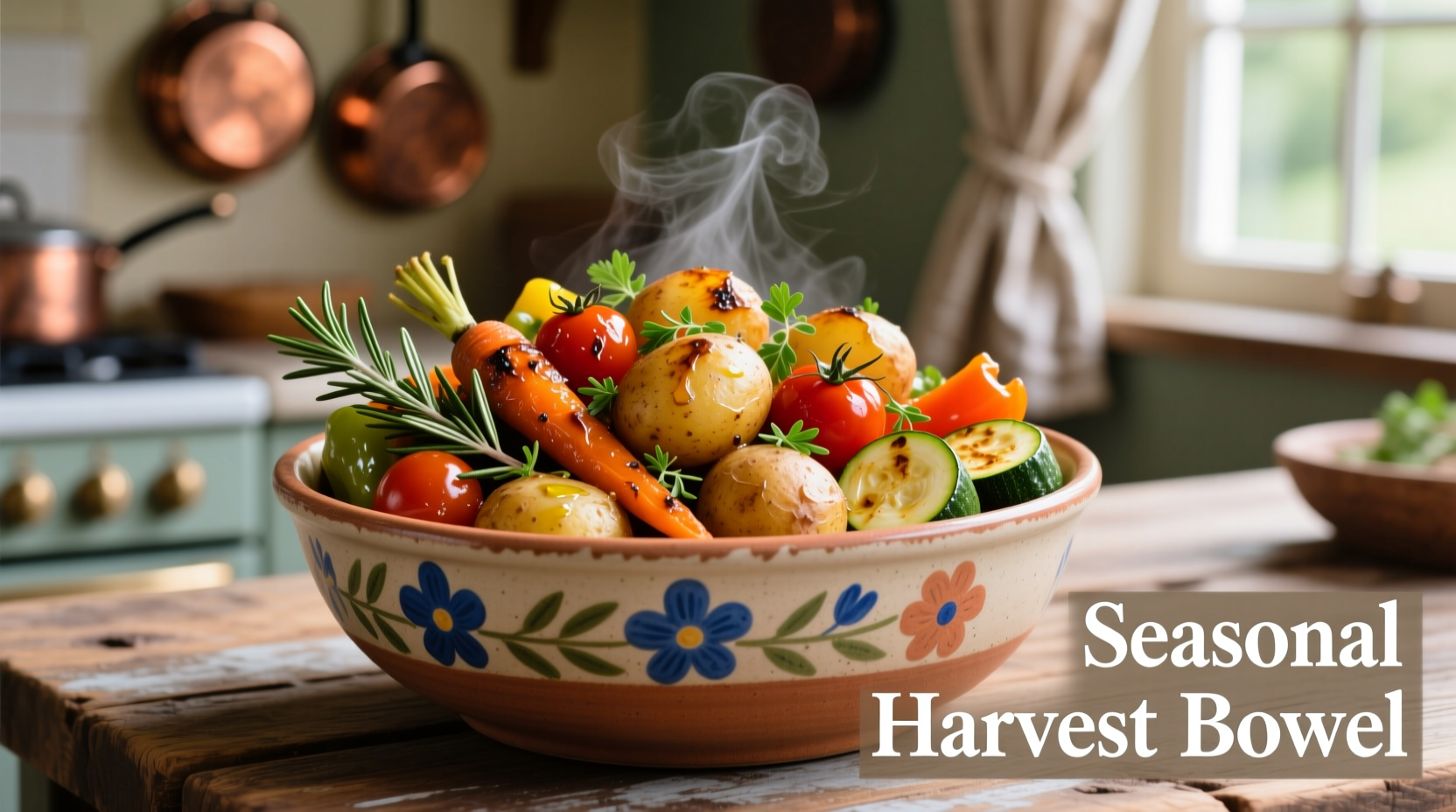
Four Popular Potato Bowl Variations
Adapt this versatile dish to different culinary traditions:
American Classic Loaded Potato Bowl
Features bacon, cheddar cheese, sour cream, and chives over fluffy mashed potatoes. For healthier preparation, substitute Greek yogurt for sour cream and use turkey bacon.
Mexican Fiesta Potato Bowl
Uses roasted sweet potatoes topped with black beans, corn, avocado, pico de gallo, and cilantro. This variation provides complete protein when beans and rice are combined.
Mediterranean Herb Potato Bowl
Features lemon-herb roasted potatoes with grilled chicken, kalamata olives, cherry tomatoes, cucumber, and tzatziki sauce. The acidity from lemon juice prevents potatoes from becoming soggy.
Asian Ginger-Sesame Potato Bowl
Combines wasabi-mashed potatoes with teriyaki-glazed salmon, edamame, pickled ginger, and sesame seeds. The wasabi adds complexity without overwhelming heat.
Common Preparation Mistakes to Avoid
Even experienced cooks make these potato bowl errors:
- Over-mixing mashed potatoes - creates gummy texture; stop mixing when just combined
- Adding cold ingredients to hot potatoes - causes uneven texture; warm dairy before incorporating
- Overloading with wet toppings - creates soggy base; drain vegetables thoroughly
- Seasoning only the potatoes - season each component separately for layered flavor
When Potato Bowls Work Best (And When They Don't)
Understanding context boundaries helps maximize success with this dish:
- Ideal for: Weeknight dinners, meal prep containers, using leftovers creatively, vegetarian adaptations
- Less suitable for: Formal dining occasions, extremely time-pressed situations (requires 25+ minutes), strict low-carb diets
- Temperature considerations: Best served immediately; potatoes absorb moisture when stored, affecting texture
- Serving vessel impact: Ceramic bowls retain heat better than metal, preventing rapid cooling
Pro Storage and Reheating Techniques
For optimal leftovers:
- Store components separately when possible (keeps potatoes from absorbing excess moisture)
- Reheat potatoes with a splash of liquid and cover to prevent drying
- Add fresh toppings after reheating for best texture and flavor
- Consume within 3-4 days for food safety and quality
Final Thoughts
The potato bowl's enduring popularity stems from its perfect balance of comfort and versatility. By understanding the foundational techniques and strategic ingredient combinations, home cooks can transform this simple concept into restaurant-quality meals that satisfy both nutritional needs and culinary cravings. Whether you're meal prepping for the week or creating an impressive dinner, the potato bowl framework adapts to your needs while delivering consistent comfort.




 浙公网安备
33010002000092号
浙公网安备
33010002000092号 浙B2-20120091-4