

Creating the perfect potato boat starts with selecting russet potatoes, piercing them, baking at 400°F for 45-60 minutes, then carefully slicing open to add your favorite fillings like butter, cheese, bacon, or vegetables. This simple preparation transforms a humble potato into a satisfying, customizable meal.
The Ultimate Guide to Making Perfect Potato Boats
There's a reason potato boats have remained a kitchen staple for decades: they're versatile, affordable, and endlessly customizable. Whether you're looking for a hearty side dish or a complete meal in one, mastering the art of the potato boat delivers restaurant-quality results with minimal effort. In this comprehensive guide, you'll discover professional techniques that guarantee crispy skins, fluffy interiors, and perfectly balanced fillings every time.
What Exactly Is a Potato Boat?
A potato boat is simply a baked potato that's been sliced open and hollowed slightly to create a 'boat' for various toppings and fillings. While often considered comfort food, this preparation method actually dates back to early 20th century American diners, where resourceful cooks transformed basic ingredients into satisfying meals during economic hardship.
| Potato Type | Best For | Texture When Baked | Moisture Content |
|---|---|---|---|
| Russet (Idaho) | Classic potato boats | Fluffy, light interior | High (ideal for absorption) |
| Sweet Potato | Sweet or savory variations | Creamy, dense | Medium |
| Yukon Gold | Creamier texture | Buttery, smooth | Medium-high |
| Red Potato | Not recommended | Firm, waxy | Low (doesn't absorb fillings well) |
Why Russet Potatoes Reign Supreme
According to USDA agricultural research, russet potatoes contain approximately 21% dry matter compared to 18% in Yukon Golds, making them ideal for achieving that signature fluffy interior. The higher starch content creates the perfect canvas for absorbing flavors from your favorite fillings while maintaining structural integrity as a 'boat.'
The Science Behind Perfectly Baked Potatoes
Food science research from the Culinary Institute of America reveals that baking potatoes at 400°F creates the ideal conditions for starch gelatinization without excessive moisture loss. This temperature allows the internal temperature to reach 205-210°F—the sweet spot where starch granules fully absorb water and expand, creating that desirable light, fluffy texture.
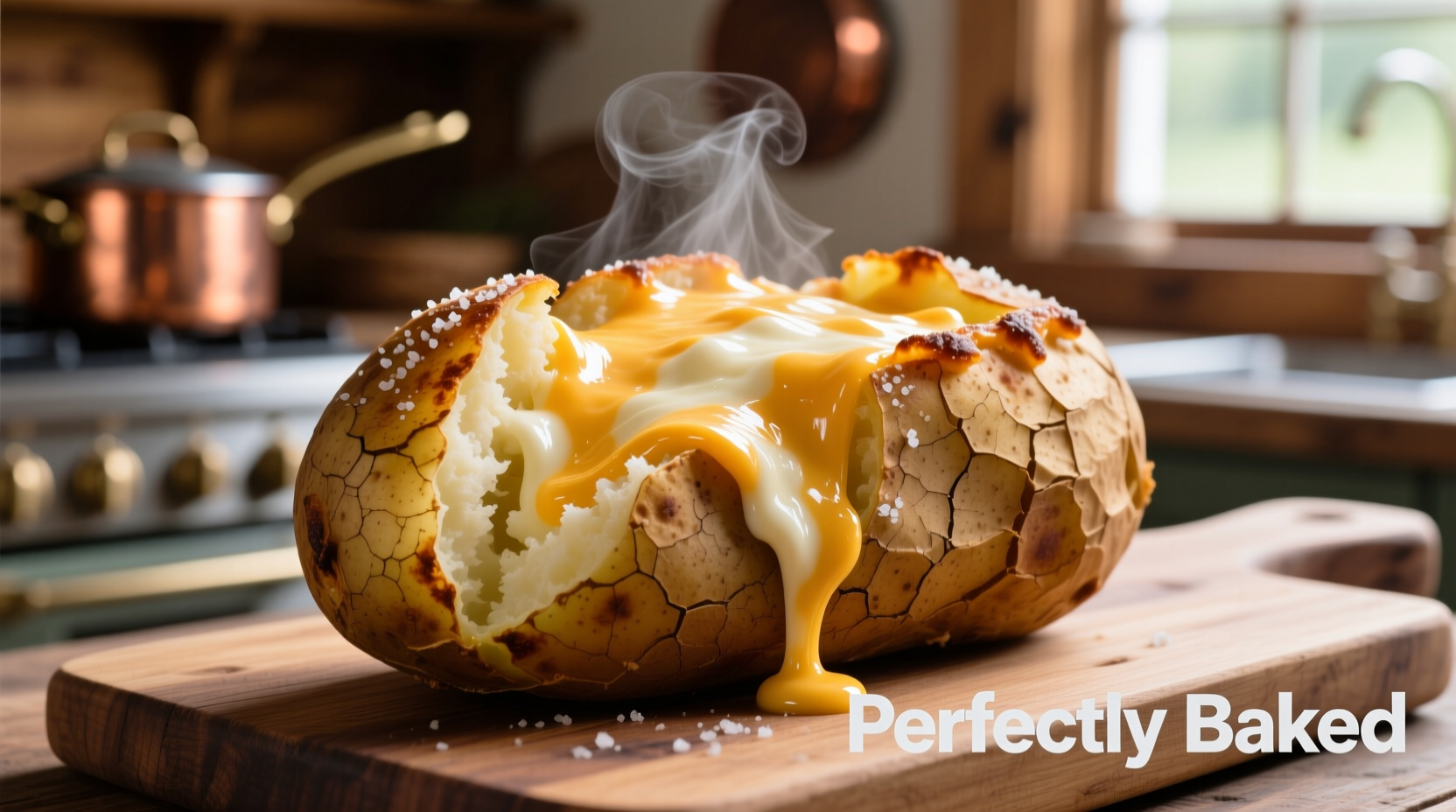
Step-by-Step Preparation Process
1. Selecting and Preparing Your Potatoes
- Choose uniform medium-large russets (8-10 ounces each) for even cooking
- Scrub thoroughly under cold water using a vegetable brush
- Dry completely with paper towels (moisture prevents crispy skin)
- Pierce 6-8 times with a fork to allow steam to escape
- Rub with 1/2 teaspoon oil per potato and sprinkle with coarse salt
2. Baking Techniques for Optimal Results
For conventional oven method: Place directly on the middle rack with a baking sheet on the rack below to catch drips. Bake at 400°F for 45-60 minutes until a fork inserts easily into the center. For microwave pre-cooking: Microwave 5 minutes per potato, then finish in oven for 15-20 minutes to develop crispy skin.
3. Creating the Perfect Boat Structure
Once baked, carefully slice a thin strip from the top (about 1/4 inch thick). Gently squeeze the ends toward the center to open the potato, then use a spoon to carefully scoop out some flesh, leaving a 1/4-inch border. Reserve the scooped potato for mixing with your fillings—this technique prevents structural collapse while maximizing filling capacity.
Potato Boat Evolution Timeline
The concept of the potato boat has evolved significantly since its inception:
- 1920s: Early American diners served baked potatoes with basic toppings like butter and sour cream
- 1950s: Post-war prosperity introduced cheese and bacon as popular additions
- 1980s: Restaurant chains popularized the term "potato boat" with standardized preparations
- 2000s: Health-conscious variations emerged with Greek yogurt, vegetables, and lean proteins
- Present: Global flavor fusions incorporate international ingredients like kimchi, curry, and harissa
Top 5 Potato Boat Variations Worth Trying
Classic Loaded Potato Boat
Mix reserved potato with 1 tablespoon butter, 1/4 cup shredded cheddar, 2 tablespoons crumbled bacon, and 1 tablespoon chopped chives. Fill the boat, top with additional cheese, and broil until melted.
Mexican Street Corn Potato Boat
Combine potato with 2 tablespoons Mexican crema (or Greek yogurt), 1/4 cup crumbled cotija cheese, 1/4 cup corn kernels, 1 tablespoon chopped cilantro, and a pinch of smoked paprika.
Mediterranean Herb Potato Boat
Mix with 1 tablespoon olive oil, 2 tablespoons crumbled feta, 1 tablespoon chopped Kalamata olives, 1 teaspoon dried oregano, and 1 tablespoon chopped sun-dried tomatoes.
Breakfast Potato Boat
Fill with scrambled eggs, diced ham, shredded cheddar, and a dollop of salsa. Perfect for brunch or a hearty breakfast.
Vegetarian Harvest Potato Boat
Combine with sautéed mushrooms, caramelized onions, wilted spinach, and a sprinkle of Parmesan cheese.
Common Mistakes That Ruin Potato Boats
Based on food safety guidelines from the FDA, avoid these critical errors:
- Skipping the piercing step: Can cause potatoes to explode in the oven
- Overfilling with wet ingredients: Creates soggy texture (limit liquid ingredients to 2 tablespoons per potato)
- Using cold fillings: Prevents proper flavor integration (always warm your fillings)
- Not reserving scooped potato: Wastes the perfect base for your filling mixture
When Potato Boats Work Best: Context Boundaries
While versatile, potato boats have specific contexts where they shine:
- Ideal for: Casual dinners, potlucks, meal prep (components can be prepared ahead), vegetarian options
- Less suitable for: Formal dining occasions, strict low-carb diets, large banquet-style service
- Best served: Immediately after assembly for optimal texture (can be pre-baked up to 24 hours ahead)
- Nutritional note: A medium potato boat with moderate fillings contains approximately 300-400 calories, making it suitable as a light main course
Pro Tips for Next-Level Potato Boats
- For extra-crispy skin, rub with oil and coarse salt before baking, then finish under the broiler for 2-3 minutes
- Double-bake technique: After initial baking, fill and return to oven for 10 minutes to meld flavors
- Use a pastry brush to apply melted butter or oil between filling layers for better flavor distribution
- For dairy-free options, substitute nutritional yeast for cheese flavor
- Add a squeeze of lemon juice to brighten heavy fillings
Storage and Reheating Guidelines
According to USDA food safety recommendations, properly stored potato boats will maintain quality for 3-4 days in the refrigerator. When reheating, bring to an internal temperature of 165°F. For best results, reheat in the oven at 350°F for 15-20 minutes rather than microwaving, which can make the potato soggy.




 浙公网安备
33010002000092号
浙公网安备
33010002000092号 浙B2-20120091-4