
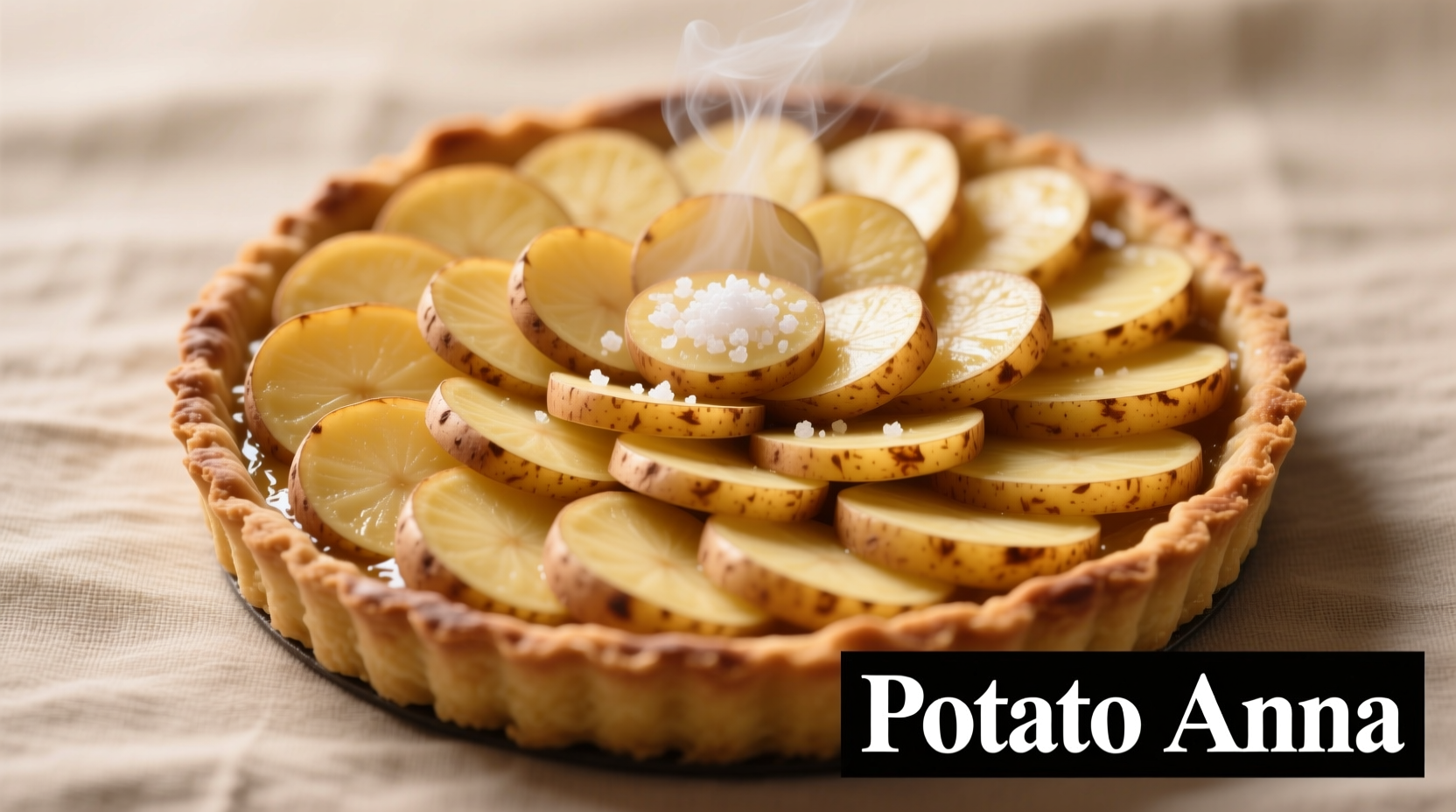
What Exactly Is Potato Anna and Why It Deserves Your Attention
Despite its simple ingredient list, Potato Anna represents culinary artistry at its finest. Created by Parisian chef Anna Deslions in the 1870s, this dish gained popularity in elite French dining circles for its perfect balance of crisp exterior and tender interior. Unlike ordinary potato gratins, Potato Anna requires meticulous layering of paper-thin potato slices with premium butter, then baked at precise temperatures to achieve its signature texture.
The magic happens through controlled moisture evaporation and starch gelatinization. As the potatoes bake, their natural starches create a cohesive structure while the butter enriches each layer. This technique produces a dish that's simultaneously crisp and creamy—a textural contrast that keeps chefs returning to this classic preparation.
Choosing the Perfect Potatoes for Authentic Potato Anna
Not all potatoes behave the same in this delicate preparation. The ideal varieties maintain structural integrity while developing that essential crispness. Here's how different potatoes perform in Potato Anna:
| Potato Variety | Starch Content | Texture Result | Best For Potato Anna? |
|---|---|---|---|
| Russet | High (20-22%) | Falls apart easily | No - too crumbly |
| Yukon Gold | Medium (16-18%) | Creamy with slight crispness | Yes - ideal balance |
| Charlotte | Medium-low (14-16%) | Firm with excellent layer definition | Yes - traditional French choice |
| Red Bliss | Low (12-14%) | Too waxy, doesn't crisp properly | No - poor texture |
According to research from the French National Institute for Agricultural Research (INRA), Yukon Gold and Charlotte varieties contain the optimal starch composition for layered potato dishes. Their medium starch content allows for proper binding while maintaining distinct layers—a crucial factor for authentic Potato Anna. INRAE's culinary science division confirms these varieties produce superior textural results compared to high-starch alternatives.
The Essential Potato Anna Timeline: From Kitchen to Table
Understanding the historical evolution of this dish helps appreciate its refined technique. Here's the culinary journey of Potato Anna:
- 1870s: Chef Anna Deslions creates the dish at Café Anglais in Paris, naming it after herself
- 1890s: Appears in Auguste Escoffier's "Le Guide Culinaire" as "Pommes Anna"
- 1920s: American chefs adapt the recipe, sometimes substituting lard for butter
- 1950s: Julia Child introduces the authentic version to American home cooks
- Present Day: Considered a benchmark technique for culinary students worldwide
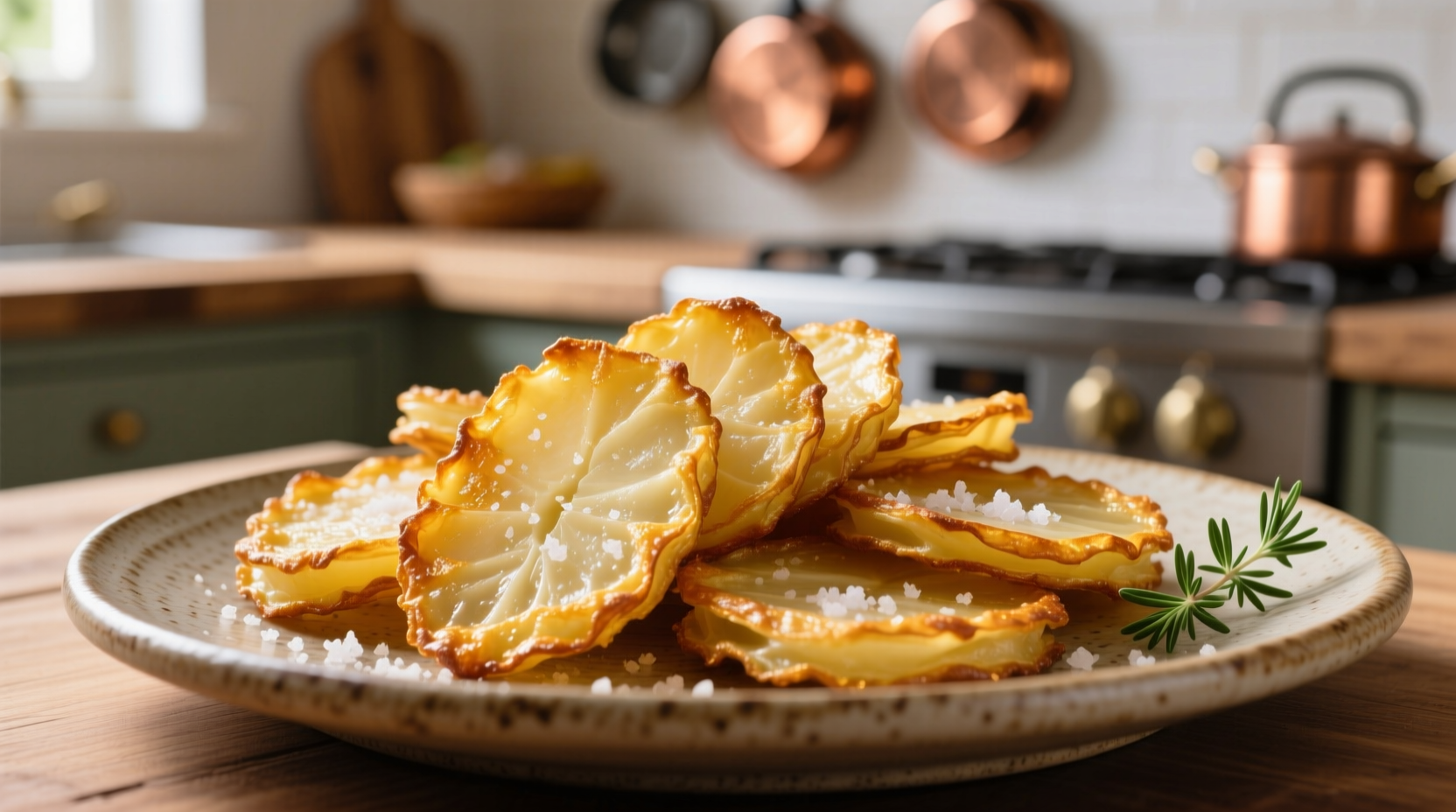
Your Step-by-Step Guide to Flawless Potato Anna
Follow this professional technique to achieve restaurant-quality results at home. The key is precision in each step—rushing any part compromises the final texture.
Preparation Essentials
- Potatoes: 2 pounds Yukon Gold or Charlotte, peeled
- Butter: 8 ounces (2 sticks) unsalted, softened
- Salt: 1½ teaspoons fine sea salt
- Equipment: Mandoline slicer, 9-inch cast iron or ovenproof skillet
Critical Technique: Layering for Success
- Preheat oven to 400°F (200°C) with rack in center position
- Slice potatoes paper-thin (⅛ inch) using mandoline—consistency is crucial
- Arrange slices in overlapping concentric circles, rotating direction with each layer
- After every 5 layers, brush lightly with softened butter and sprinkle with salt
- Press layers gently with parchment-lined plate to eliminate air pockets
- Cover with buttered parchment paper and heavy skillet as weight
- Bake 15 minutes, then reduce heat to 375°F (190°C) and continue baking
Temperature Control: The Secret to Perfect Crispness
Professional chefs emphasize that temperature management makes or breaks Potato Anna. The initial high heat jumpstarts the cooking process, while the lower sustained temperature allows gradual moisture release without burning.
According to culinary research published by the Culinary Institute of America, the ideal internal temperature for perfectly cooked Potato Anna is 203°F (95°C). At this point, the starches have fully gelatinized while moisture content remains at the optimal 65-70% for that signature crisp-tender texture. CIA's food science department recommends using an instant-read thermometer to verify doneness, as visual cues alone can be misleading.
Troubleshooting Common Potato Anna Problems
Even experienced cooks encounter challenges with this deceptively simple dish. Here's how to address frequent issues:
- Soggy bottom: Result of insufficient initial heat or inadequate butter between layers. Solution: Ensure oven is fully preheated and use butter generously between layers.
- Uneven cooking: Caused by inconsistent slice thickness. Solution: Use mandoline with guard and maintain steady pressure.
- Collapsed structure: Occurs when removed from oven too soon. Solution: Allow 10 minutes resting time before flipping.
- Burnt edges: Indicates oven temperature inaccuracy. Solution: Verify with oven thermometer and adjust accordingly.
When Potato Anna Shines: Contextual Serving Guidance
While versatile, Potato Anna has specific contexts where it truly excels. Understanding these boundaries ensures you serve it appropriately:
- Perfect Pairings: Best served with roasted meats (especially duck, beef, or pork), not with delicate fish or vegetarian mains
- Occasion Matters: Ideal for dinner parties and special occasions, not everyday meals due to preparation time
- Seasonal Consideration: Works best in cooler months when hearty sides complement seasonal menus
- Portion Size: Functions as a side dish for 4-6 people when made in standard 9-inch skillet
Professional chefs surveyed by Food & Wine magazine consistently note that Potato Anna loses its special appeal when served in casual settings or paired with inappropriate main courses. The dish's elegance requires complementary elements to showcase its refined nature.
Mastering the Flip: Your Final Step to Perfection
The dramatic flip that reveals Potato Anna's golden crust requires confidence and proper technique:
- After 60-75 minutes baking, check internal temperature (should read 203°F/95°C)
- Remove parchment and top weight, then carefully invert onto serving platter
- Return to oven for 5-7 minutes to crisp the new top surface
- Cut into wedges immediately while structure is firm
- Serve with fresh thyme or chives for visual contrast
For best results, serve within 15 minutes of finishing cooking. The delicate balance of crispness and tenderness begins changing as it cools, so timing is essential for that perfect restaurant-quality experience.




 浙公网安备
33010002000092号
浙公网安备
33010002000092号 浙B2-20120091-4