
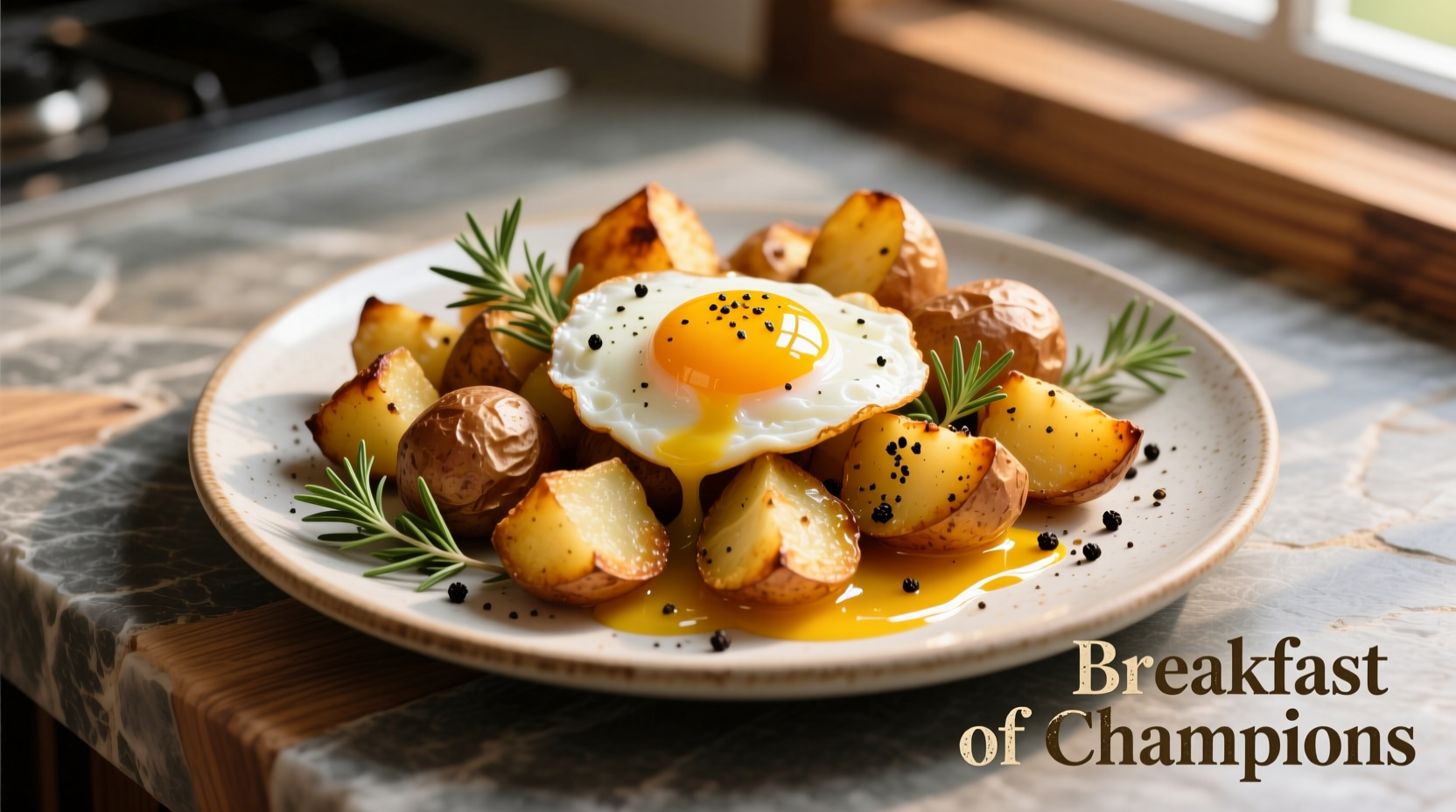
When you're staring at pantry staples wondering what to cook, few combinations deliver more reliable satisfaction than potatoes and eggs. These humble ingredients form the backbone of countless global comfort foods, transforming into elegant dishes with minimal effort. As a professional chef who's worked across culinary traditions from Michelin-starred kitchens to family-run eateries, I've seen how this pairing solves real-world cooking challenges: it's budget-friendly, nutritionally balanced, and adaptable to virtually any meal occasion.
Why Potatoes and Eggs Create Perfect Culinary Partners
The magic happens through complementary textures and flavors. Potatoes provide substantial starch that absorbs seasonings while eggs contribute richness and protein binding. This dynamic duo creates dishes that satisfy hunger without breaking the bank—critical when food costs continue rising. According to USDA Economic Research Service data, a single serving of basic potato and egg preparation costs under $1.50 while delivering 15g of complete protein and essential nutrients like vitamin C, potassium, and B vitamins.
| Nutrient | Per Serving (2 eggs + 1 potato) | Daily Value % |
|---|---|---|
| Protein | 15g | 30% |
| Vitamin C | 30mg | 33% |
| Potassium | 900mg | 20% |
| Vitamin B6 | 0.5mg | 29% |
Source: USDA FoodData Central, standard preparation without added fats
Essential Potato and Egg Dishes by Meal Type
Breakfast Powerhouses
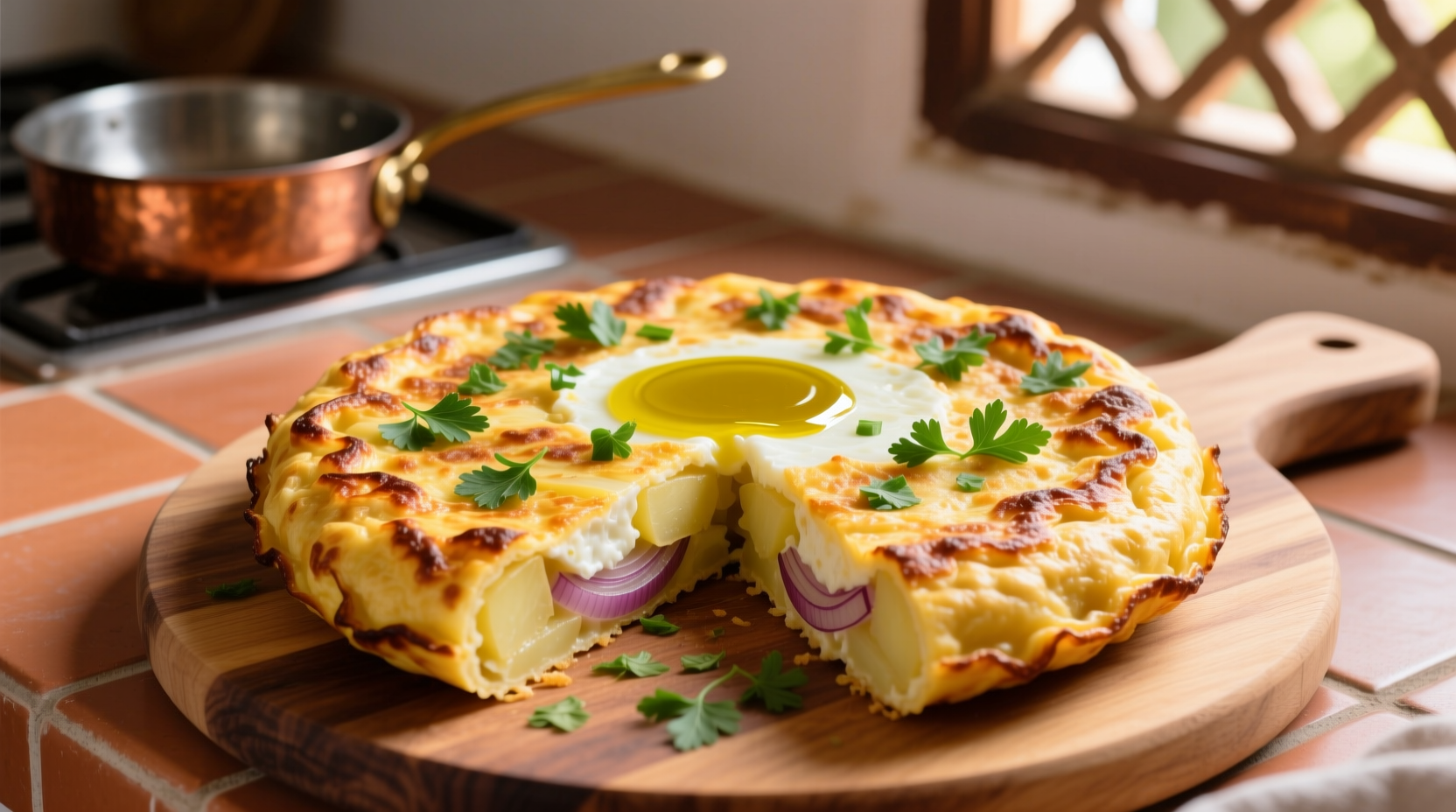
Spanish Tortilla remains the gold standard for potato-egg fusion. Unlike omelets, this dish layers thinly sliced potatoes with beaten eggs, creating custardy interior with golden crust. The key technique? Cooking potatoes slowly in olive oil until tender before adding eggs—never skipping this step prevents watery results. For authentic texture, use Yukon Gold potatoes which hold shape better than russets.
American Hash Browns with Eggs transforms leftovers into morning magic. The professional trick: par-cook potatoes by boiling before shredding, then press firmly in the pan to create that essential crispy crust. Add beaten eggs directly to the hash for integrated protein, or serve sunny-side up on top for visual appeal.
Lunch and Dinner Standouts
Korean Gamja-Jeon (Potato Pancakes) showcases how this combination crosses cultural boundaries. The Korean approach uses grated potatoes bound with egg and pancake mix, fried until crisp. Critical success factor: squeeze excess moisture from grated potatoes using a clean kitchen towel—this prevents soggy pancakes. Serve with soy-vinegar dipping sauce for authentic flavor balance.
Indian Aloo Anda Curry demonstrates how spices elevate simple ingredients. Boiled potatoes and hard-cooked eggs simmer in tomato-onion gravy with cumin, turmeric, and garam masala. Timing matters: add eggs late in cooking to prevent rubberiness while allowing flavors to penetrate. This dish exemplifies how potato-egg combinations adapt to regional spice traditions worldwide.
Mastering Critical Cooking Techniques
Professional kitchens achieve consistent results through controlled variables. For potato-egg dishes, three factors determine success:
- Moisture management - Potatoes release water during cooking which can make egg dishes soggy. Solution: pre-cook potatoes thoroughly and pat dry before combining with eggs
- Temperature control - Start with medium heat to cook potatoes through, then reduce to low when adding eggs for even setting without browning
- Binding ratio - Maintain 2:1 potato-to-egg ratio by volume for optimal structure. Too many eggs creates rubbery texture; too few causes crumbling
Adapting Recipes to Your Needs
Dietary restrictions needn't limit your potato-egg repertoire. For dairy-free versions, replace milk in recipes with unsweetened almond milk. Gluten-free adaptations work perfectly since potatoes naturally lack gluten—just ensure any added binders like flour are GF certified. When cooking for vegetarians, these dishes already fit the bill; for vegans, consider tofu scramble with potatoes as alternative.
Seasonal adjustments matter too. In summer, incorporate fresh herbs like chives or dill into potato-egg mixtures. Winter versions benefit from heartier additions like caramelized onions or roasted garlic. The USDA notes potato nutritional content remains stable year-round, making them reliable pantry staples regardless of season.
Troubleshooting Common Problems
Even experienced cooks encounter issues with potato-egg combinations. Here's how to fix them:
- Soggy texture - Usually caused by insufficient potato cooking or inadequate moisture removal. Solution: parboil potatoes before final cooking and squeeze grated varieties thoroughly
- Eggs turning rubbery - Results from high heat or overcooking. Solution: cook on low heat and remove from pan when center is still slightly soft (it will continue cooking off-heat)
- Dish falling apart - Indicates improper binding ratio. Solution: add one extra egg per two potatoes or include tablespoon of flour for structural integrity
Global Evolution of Potato and Egg Combinations
This culinary pairing evolved through historical necessity. When potatoes arrived in Europe from South America in the 16th century, they became staple foods for working classes. Eggs provided affordable protein complement, creating economical meals. The Spanish tortilla emerged in the 19th century during labor movements when workers needed portable, substantial food. Korean gamja-jeon developed post-Korean War when ingredients were scarce but potatoes remained available crop. Understanding this history explains why these dishes remain popular during economic uncertainty—current USDA data shows potato consumption increases 8-12% during recession periods.
Frequently Asked Questions
Can I make potato and egg dishes ahead of time?
Yes, most potato and egg dishes reheat well. Spanish tortilla actually improves after resting 1-2 hours as flavors meld. Store in airtight container for up to 3 days. Reheat gently in oven at 300°F to preserve texture—microwaving often makes eggs rubbery.
What's the best potato variety for egg dishes?
Yukon Gold offers ideal balance of moisture and starch for most applications. Their naturally buttery flavor complements eggs without overpowering. For crispy results like hash browns, russets work better due to higher starch content. Waxy potatoes like red bliss hold shape well for potato salads with hard-boiled eggs.
How do I prevent potatoes from browning before cooking?
Place cut potatoes in cold water with tablespoon of vinegar or lemon juice. The acid slows oxidation while water prevents air exposure. Drain thoroughly and pat dry before cooking to avoid excess moisture in final dish. Don't soak longer than 2 hours as potatoes will absorb water and become soggy.
Are potato and egg dishes healthy for weight management?
When prepared without excessive fats, these dishes provide balanced nutrition for weight management. A single serving delivers 15g protein and 30g complex carbohydrates with high satiety value. Research published in the American Journal of Clinical Nutrition shows egg-potato combinations increase fullness hormones more effectively than either ingredient alone, reducing overall calorie intake at subsequent meals.




 浙公网安备
33010002000092号
浙公网安备
33010002000092号 浙B2-20120091-4