
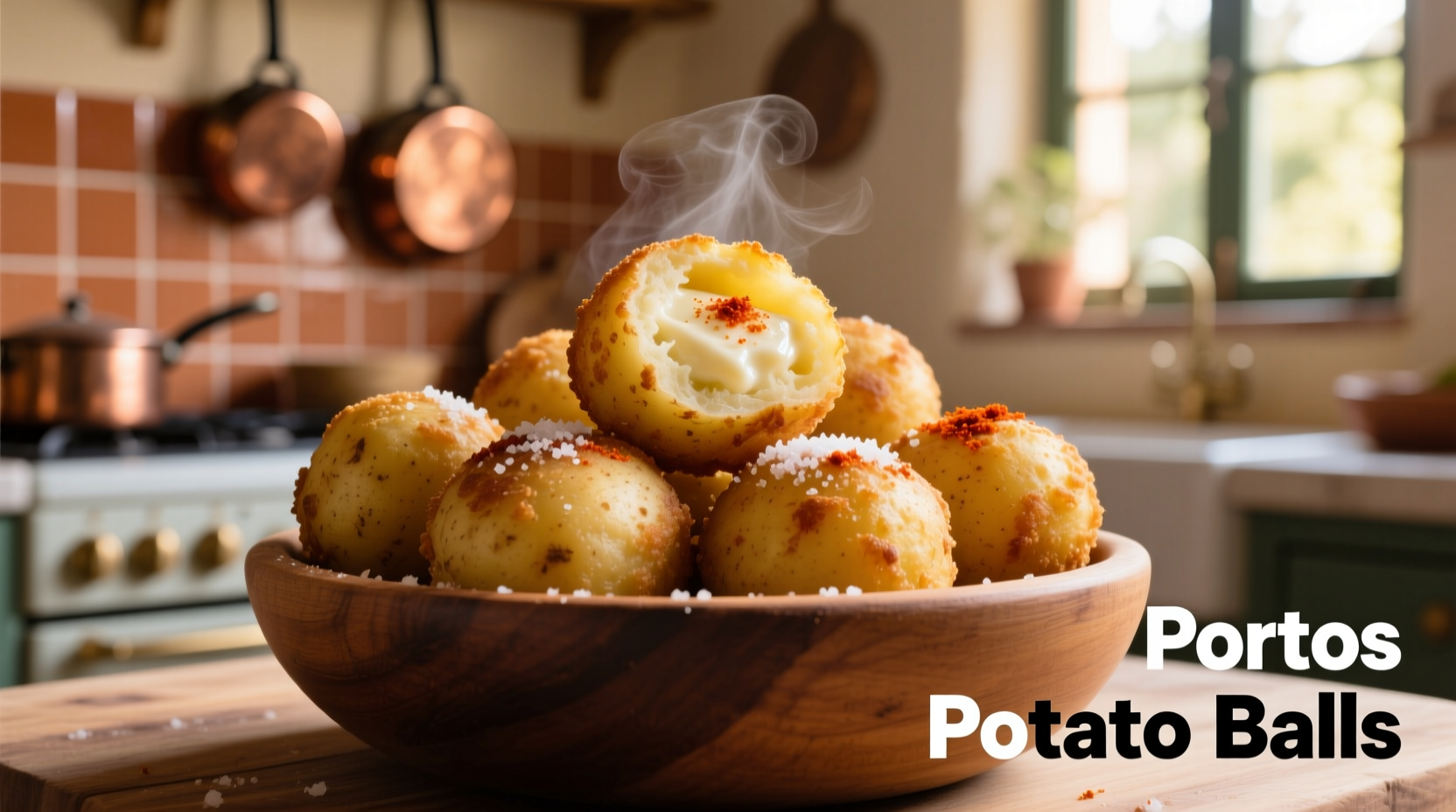
Discover exactly what makes Portos potato balls a convenient pantry staple and how to maximize their culinary potential. This guide delivers practical preparation techniques, nutritional insights, and creative serving ideas you won't find on the product packaging.
Understanding Portos Potato Balls: More Than Just Convenience
Portos potato balls represent a modern evolution of traditional potato croquettes, which have roots in European and Latin American culinary traditions dating back to the 19th century. Unlike homemade versions requiring labor-intensive preparation, these frozen convenience products maintain the essential elements of quality potato croquettes while reducing preparation time significantly.
What Sets Portos Apart From Other Frozen Potato Products
The distinctive characteristics of Portos potato balls stem from their specific formulation and production process. Unlike tater tots or hash browns, these spherical potato creations feature a unique combination of texture and flavor profile that bridges the gap between convenience food and artisanal preparation.
| Product Type | Preparation Time | Texture Profile | Primary Ingredients |
|---|---|---|---|
| Portos Potato Balls | 15-20 minutes | Crispy exterior, creamy interior | Potatoes, breadcrumbs, seasonings |
| Traditional Tater Tots | 20-25 minutes | Firm throughout | Shredded potatoes, binder |
| Homemade Papas Rellenas | 60+ minutes | Variable based on technique | Potatoes, fillings, multiple coatings |
Optimal Cooking Methods Revealed
While package instructions provide basic preparation guidelines, culinary professionals have identified techniques that significantly improve results. The critical factor across all cooking methods is maintaining proper temperature control to achieve the ideal golden-brown exterior without compromising the creamy interior.
Oven Baking: The Health-Conscious Approach
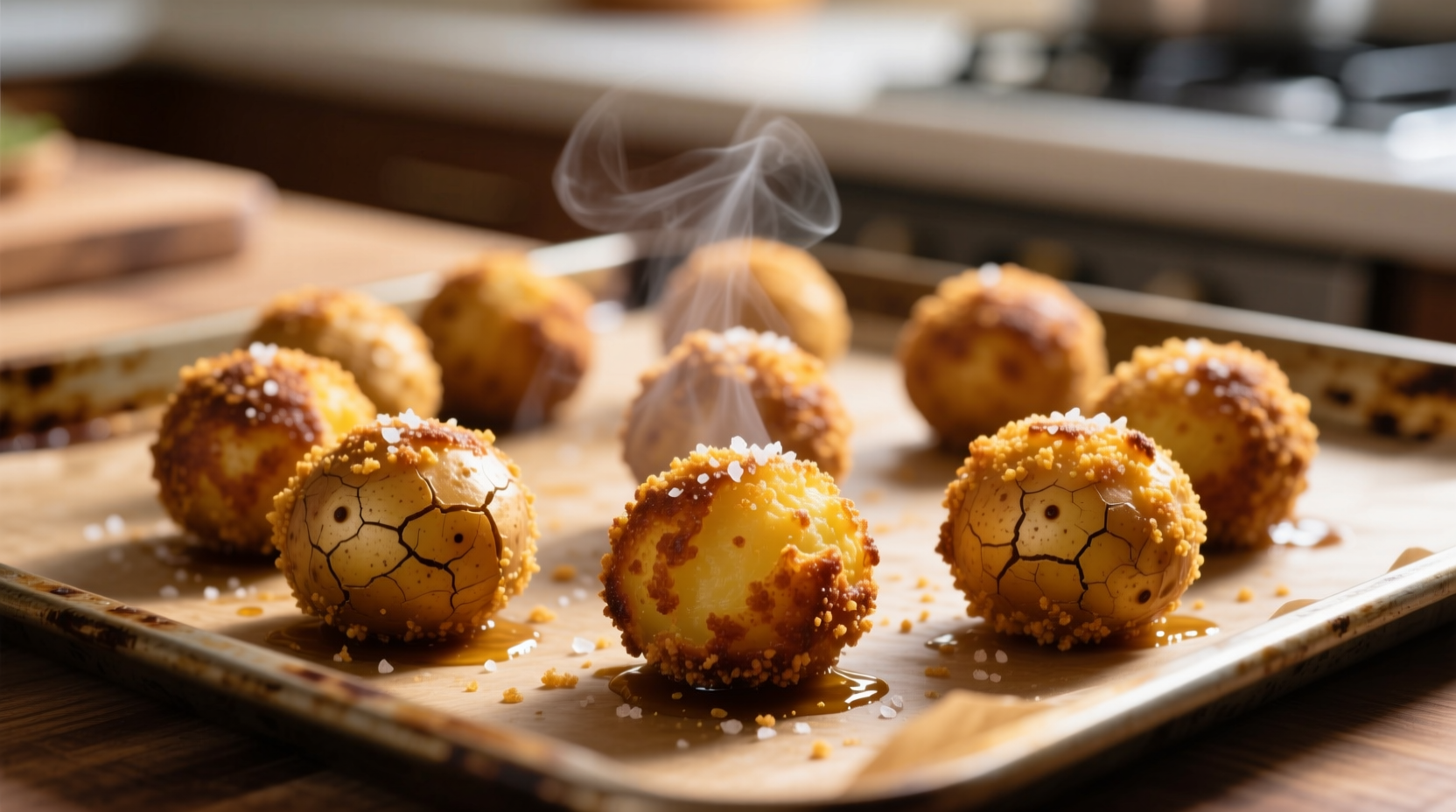
Preheat oven to 425°F (220°C). Arrange frozen potato balls in single layer on parchment-lined baking sheet. Bake for 18-22 minutes, flipping halfway through cooking time. For enhanced crispness, lightly spray with cooking oil before baking. This method reduces fat content by approximately 30% compared to deep frying while maintaining excellent texture.
Air Fryer Technique: Speed Without Sacrifice
Preheat air fryer to 400°F (205°C). Place frozen potato balls in basket without overcrowding. Cook for 12-15 minutes, shaking basket every 5 minutes. The circulating hot air creates exceptional crispness with minimal added fat, making this the preferred method for texture-focused preparation.
| Cooking Method | Temperature | Time | Best For |
|---|---|---|---|
| Oven Baking | 425°F (220°C) | 18-22 minutes | Large batches, health-conscious preparation |
| Air Fryer | 400°F (205°C) | 12-15 minutes | Optimal crispness, small batches |
| Deep Frying | 350°F (175°C) | 3-4 minutes | Traditional texture, restaurant-style results |
Nutritional Profile and Dietary Considerations
Understanding the nutritional composition helps incorporate Portos potato balls into balanced meal planning. A standard serving (about 3.5 oz or 100g) typically contains:
- Approximately 160-180 calories
- 22-25g carbohydrates
- 3-4g protein
- 6-8g fat (varies by preparation method)
- Minimal sodium content compared to similar frozen products
These values can fluctuate based on cooking method, with air frying and oven baking reducing fat content by 25-30% compared to deep frying. For those monitoring carbohydrate intake, Portos potato balls contain about 15-20% of the daily recommended value per serving.
Culinary Applications Beyond Basic Preparation
Professional chefs have developed creative applications that transform Portos potato balls from simple side dishes into menu centerpieces. The key lies in understanding their flavor profile and textural properties.
Appetizer Transformations
After cooking, slice potato balls horizontally and fill with gourmet ingredients like crab salad, smoked salmon with dill cream, or black bean-corn salsa for upscale appetizers. The sturdy exterior maintains integrity while the soft interior provides perfect contrast to flavorful fillings.
Main Course Integration
Use cooked and cooled potato balls as the base for mini shepherd's pies. Top with your favorite ground meat mixture and a sprinkle of cheese, then return to oven until heated through. This approach leverages the potato balls' consistent size for portion control while adding visual appeal to family meals.
Storage and Shelf Life Guidelines
Proper storage maintains quality and food safety. Keep unopened packages in freezer at 0°F (-18°C) or below. Once opened, transfer remaining product to airtight container or resealable freezer bag, removing as much air as possible. Consume within 3 months for optimal quality.
When cooking from frozen, never thaw potato balls before preparation as this compromises texture. If you need to prepare in advance, cook completely, cool rapidly, and refrigerate for up to 2 days before reheating. Reheat in oven or air fryer to maintain crispness—microwaving will create undesirable sogginess.
Availability and Product Variations
Portos potato balls are widely available in the frozen food sections of major grocery retailers across North America. Standard packaging comes in 16-ounce and 32-ounce boxes, with some regional variations offering cheese-stuffed versions or different seasoning profiles.
When selecting product, check for signs of freezer burn or ice crystals inside the package, which indicate potential quality degradation. The best products will have uniformly shaped balls with consistent breading and no visible damage to individual pieces.




 浙公网安备
33010002000092号
浙公网安备
33010002000092号 浙B2-20120091-4