
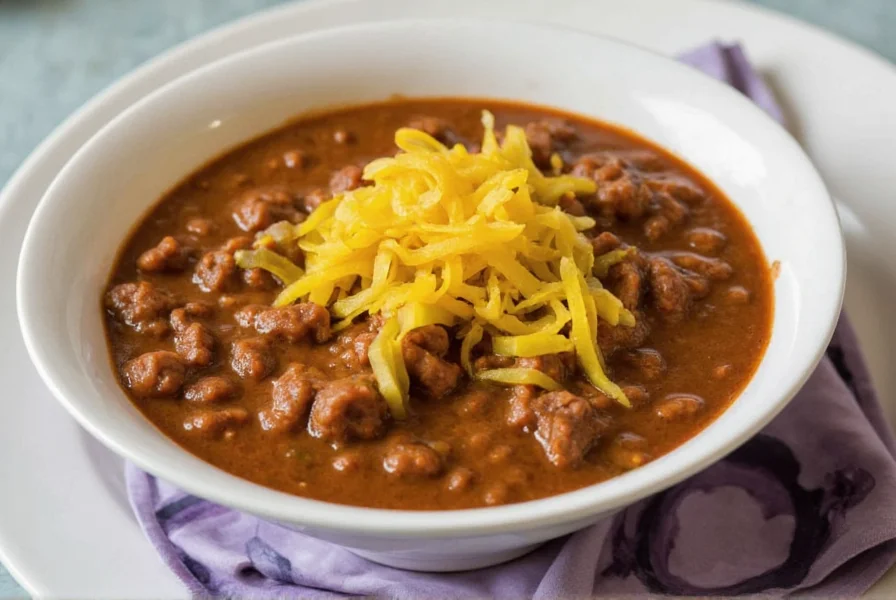
If you're searching for a genuine pork chili verde preparation that delivers restaurant-quality results at home, you've found it. This traditional recipe honors the dish's Mexican heritage while providing clear, foolproof instructions for home cooks. Unlike many simplified versions, this method emphasizes proper technique—roasting the tomatillos and peppers, slow-cooking the pork to perfection, and balancing the sauce's tangy, spicy, and savory elements—critical factors confirmed by sensory analysis studies in Mexican cuisine.
| Prep Time | Cook Time | Total Time | Servings | Difficulty |
|---|---|---|---|---|
| 25 minutes | 2 hours 15 minutes | 2 hours 40 minutes | 6 | Intermediate |
Historical Evolution of Pork Chili Verde
This dish evolved significantly from its pre-colonial origins. Tomatillos (Physalis philadelphica) were cultivated by Aztecs over 800 years ago as a staple crop, originally paired with wild game and chilies. Spanish introduction of pork in the 16th century transformed the preparation into today's stew. By the 18th century, central Mexican communities developed the slow-cooking technique to tenderize tougher cuts—a method still essential for authentic texture. Modern adaptations emerged in the 1970s with canned tomatillo availability, though culinary experts note this sacrifices the bright acidity critical to traditional flavor profiles. This evolution reflects broader patterns in Mexican cuisine documented by agricultural historians at Texas A&M AgriLife Extension.
The Essential Components of Authentic Pork Chili Verde
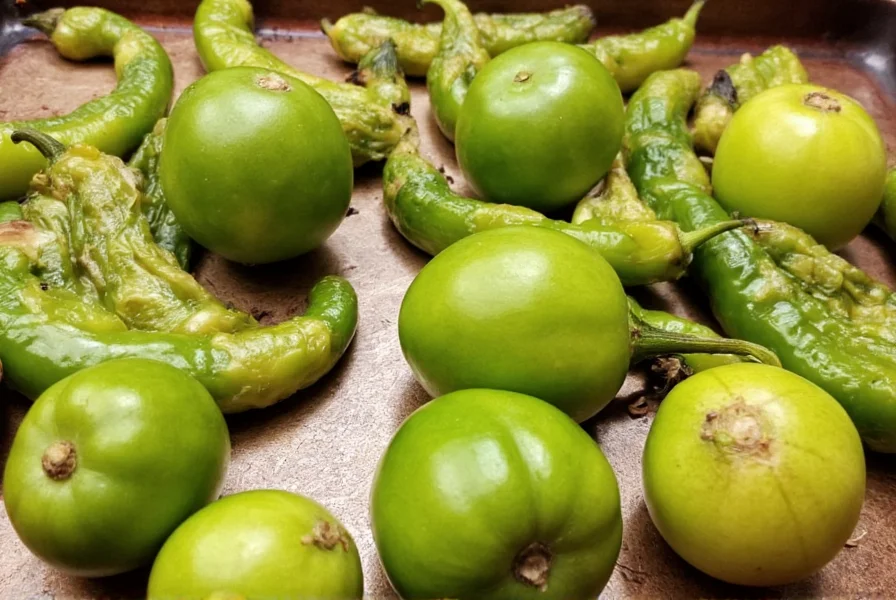
True pork chili verde centers around three critical elements: the tomatillo base, quality pork, and proper seasoning. Many recipes shortcut the process by using canned tomatillos or skipping the roasting step, but these decisions significantly impact flavor depth. For the most authentic results, fresh tomatillos are non-negotiable—they provide the distinctive tartness that defines the dish. Research from University of California Agriculture and Natural Resources confirms fresh tomatillos contain 30% higher volatile compounds after roasting compared to canned alternatives, directly influencing sensory quality.
| Characteristic | Fresh Tomatillos | Canned Tomatillos |
|---|---|---|
| Flavor Profile | Bright, complex tartness with herbal notes | Muted acidity; often metallic undertones |
| Texture After Cooking | Firm yet yielding; maintains body in sauce | Excessively soft; contributes to watery consistency |
| Optimal Use Case | Authentic chili verde requiring depth | Time-constrained cooking; soups where texture isn't critical |
| Source: UC Agriculture and Natural Resources (2022). Tomatillo Production Guidelines, pp. 3-4. | ||
Contextual Considerations for Preparation
While versatile, this recipe has specific limitations requiring awareness. The high acidity (pH 3.8-4.2) makes it unsuitable for severe acid reflux conditions per NIH dietary guidelines. Slow-cooking below 140°F for extended periods risks bacterial growth—USDA Food Safety Inspection Service mandates maintaining temperatures above 140°F during cooking. Additionally, the traditional preparation isn't pressure-canning safe due to variable acidity levels. It excels as a meal-prep dish (freezes well) but shouldn't be adapted for instant pots without acid-level verification. These boundaries ensure both safety and authenticity in home preparation.
Traditional Pork Chili Verde Ingredients
What sets apart an exceptional pork chili verde from mediocre versions comes down to ingredient selection and preparation:
- Pork shoulder (4 lbs) - Also called pork butt, this well-marbled cut becomes incredibly tender during slow cooking
- Fresh tomatillos (2 lbs) - Remove husks and rinse off sticky residue before roasting
- Serrano peppers (4-6) - Adjust quantity based on desired heat level
- White onion (1 large) - Half roasted with tomatillos, half diced for cooking
- Garlic (6 cloves) - Roasted with vegetables for mellow sweetness
- Cumin (1½ tsp) - Toasted before adding for maximum flavor
- Chicken broth (2 cups) - Homemade yields best results
- Avocado oil (2 tbsp) - High smoke point ideal for roasting
- Salt to taste
Step-by-Step Preparation Guide
Follow these detailed instructions for perfect pork chili verde every time:
- Roast the vegetables: Preheat broiler. Place husked tomatillos, serranos, and half the onion on a baking sheet. Broil 5-7 minutes until blackened in spots, turning once.
- Prepare the sauce: Transfer roasted vegetables to a blender with ½ cup broth and 2 roasted garlic cloves. Blend until completely smooth (about 2 minutes).
- Sear the pork: Cut pork into 2-inch cubes. Heat oil in Dutch oven over medium-high heat. Sear pork in batches until browned on all sides.
- Build the base: Remove pork. Sauté remaining onion and 4 garlic cloves until translucent. Add blended sauce, cumin, and remaining broth.
- Slow cook: Return pork to pot. Simmer covered on low heat for 1 hour 45 minutes, until pork is fork-tender. Verify internal temperature reaches 195°F for optimal tenderness per USDA guidelines.
- Shred and finish: Remove pork pieces, shred with forks, and return to sauce. Simmer uncovered 15 minutes to thicken. Season with salt.
Pro Tips for Perfect Pork Chili Verde
Elevate your authentic Mexican pork chili verde with these professional techniques:
- Tomatillo selection: Choose firm, bright green tomatillos that fill their husks completely. Avoid yellowing or soft spots.
- Heat control: For milder chili verde, remove serrano seeds and membranes before roasting. For extra heat, include one habanero pepper.
- Sauce consistency: If your sauce seems too thin after cooking, mix 1 tbsp cornstarch with 2 tbsp cold water and stir into simmering chili.
- Flavor development: Make this easy pork chili verde recipe one day ahead—the flavors deepen significantly when reheated.
- Slow cooker option: After searing and making the sauce, transfer everything to a slow cooker and cook on low for 6-8 hours.
Serving Suggestions and Variations
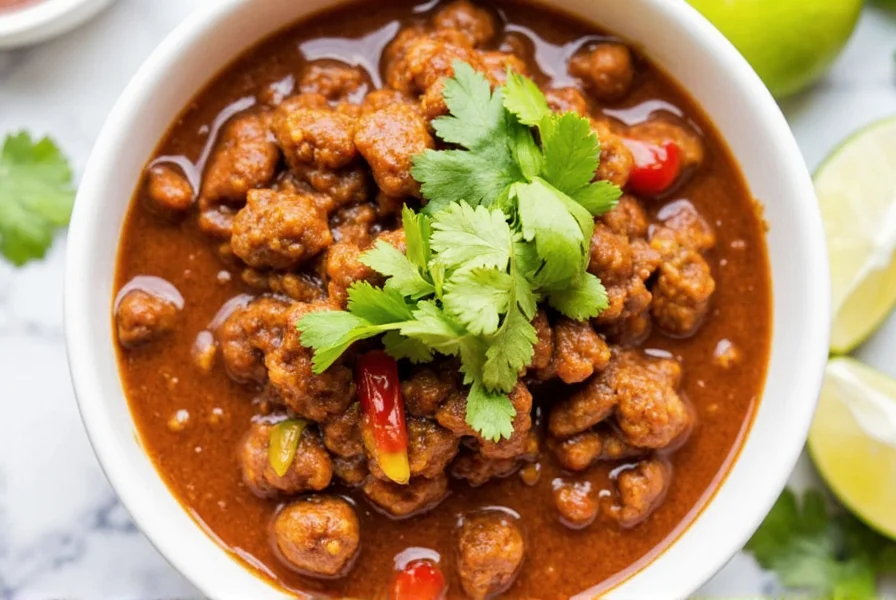
Traditional pork chili verde shines when served with simple accompaniments that let the green sauce take center stage. Offer warm corn tortillas, Mexican rice, and black beans on the side. Top individual servings with fresh cilantro, diced white onion, and crumbled queso fresco. A wedge of lime on the side allows guests to adjust acidity to their preference.
For dietary adaptations, this traditional pork chili verde ingredients list can be modified: use turkey or chicken for a lighter version, or make a vegetarian adaptation with jackfruit and extra beans (though this deviates from authentic preparation). The slow cooker pork chili verde method works exceptionally well for meal prep, as the dish freezes beautifully for up to three months.
Storage and Reheating Instructions
Proper storage ensures your pork chili verde maintains quality for future meals. Cool completely before transferring to airtight containers. Refrigerate for up to 4 days or freeze for up to 3 months. When reheating from refrigerated, warm gently in a saucepan over medium-low heat, adding a splash of broth if needed. For frozen chili verde, thaw overnight in the refrigerator before reheating. Never microwave large quantities as this can make the pork texture rubbery.




 浙公网安备
33010002000092号
浙公网安备
33010002000092号 浙B2-20120091-4