
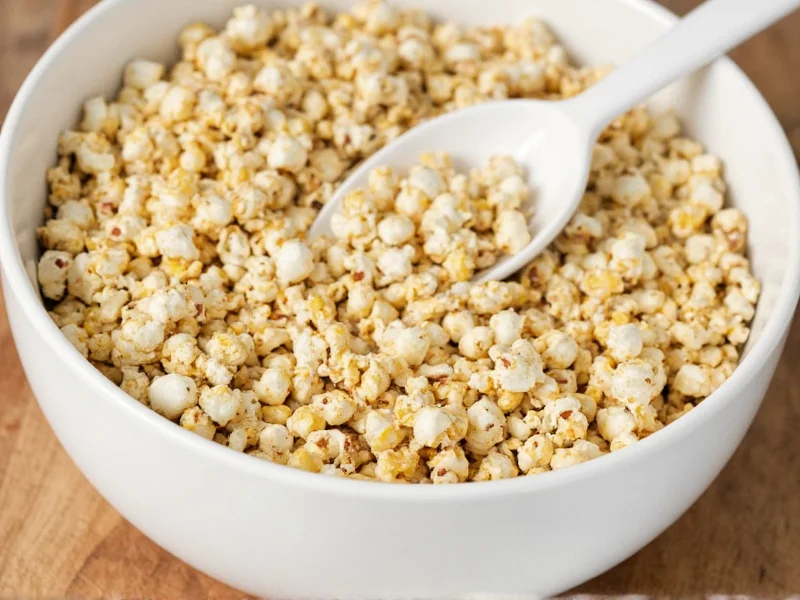
Creating delicious homemade popcorn seasoning is simpler than most people realize. Forget expensive store-bought mixes—your pantry likely contains everything needed for restaurant-quality flavored popcorn. The key to perfect seasoning lies in understanding moisture management and flavor balance, not complicated techniques.
Why Homemade Popcorn Seasoning Beats Store-Bought
Commercial popcorn seasonings often contain unnecessary additives, excessive sodium, and artificial flavors. When you make your own seasoning blends, you control exactly what goes into your snack. You can adjust salt levels, avoid allergens, and create custom flavor profiles that match your preferences. Plus, homemade versions cost pennies per serving compared to premium store options.
Essential Principles for Perfect Popcorn Seasoning
Three critical factors determine whether your seasoning sticks properly and delivers balanced flavor:
- Moisture management—Seasoning requires a light coating of fat (butter, oil, or cooking spray) to adhere properly
- Particle size—Finely ground seasonings distribute more evenly than coarse blends
- Application timing—Add seasonings immediately after popping while popcorn is still warm
Avoid the common mistake of adding dry seasonings directly to unpopped kernels. This creates uneven distribution and can burn during popping. Instead, season after popping for consistent results every time.
Top 5 Homemade Popcorn Seasoning Recipes
These easy popcorn seasoning recipes use common pantry ingredients and deliver professional results. Each makes enough for one standard batch (about 10 cups) of freshly popped popcorn.
| Flavor Profile | Core Ingredients | Special Instructions |
|---|---|---|
| Classic Buttered Salt | 3 tbsp melted butter, 1 tsp fine salt, 1/4 tsp baking powder | Mix salt with baking powder first for even distribution |
| Nacho Cheese | 2 tbsp nutritional yeast, 1 tsp paprika, 1/2 tsp garlic powder, 1/4 tsp cayenne | Add 1 tbsp melted butter or olive oil for better adhesion |
| Spicy Buffalo | 2 tbsp melted butter, 1 tbsp hot sauce, 1/2 tsp garlic powder, 1/4 tsp cayenne | Toss gently to avoid making popcorn soggy |
| Sweet Cinnamon | 2 tbsp melted coconut oil, 1 tbsp sugar, 1 tsp cinnamon, pinch of salt | Mix sugar and cinnamon first to prevent clumping |
| Everything Bagel | 1 tbsp everything bagel seasoning, 1 tsp dried minced garlic, 2 tbsp melted butter | Add seasoning in two stages for even coverage |
Detailed Recipe Instructions
Perfect Buttered Salted Popcorn (The Foundation)
This essential popcorn seasoning recipe serves as the base for many variations. Combine 3 tablespoons melted butter (or refined coconut oil for dairy-free), 1 teaspoon fine sea salt, and 1/4 teaspoon baking powder in a small bowl. The baking powder helps distribute the salt evenly without making popcorn soggy. Pour over 10 cups freshly popped popcorn in a large bowl. Toss gently but thoroughly for 30 seconds until evenly coated.
Cheesy Nutritional Yeast Blend (Dairy-Free Option)
For a vegan alternative to cheese popcorn, mix 2 tablespoons nutritional yeast, 1 teaspoon smoked paprika, 1/2 teaspoon garlic powder, and 1/4 teaspoon cayenne pepper. Combine with 1 tablespoon melted butter or olive oil to create a paste, then toss with warm popcorn. The nutritional yeast provides umami depth while the oil helps the seasoning adhere properly.
Troubleshooting Common Popcorn Seasoning Problems
Seasoning won't stick: Your popcorn lacks sufficient moisture. Lightly mist with cooking spray or toss with 1 teaspoon melted butter before adding dry seasonings.
Popcorn tastes soggy: You've used too much liquid. Always melt butter completely and apply sparingly—start with 1 tablespoon per 5 cups popcorn and add more only if needed.
Flavors aren't balanced: Taste your dry seasoning blend before applying. Adjust salt and spice levels incrementally, remembering that flavors concentrate slightly as popcorn cools.
Storage and Batch Preparation Tips
Prepare dry seasoning blends in advance and store in airtight containers for up to three months. Glass jars work best for preserving freshness. For butter-based seasonings, prepare fresh for each batch as the dairy component doesn't store well.
When making large batches for parties, season popcorn in 5-cup increments rather than all at once. This ensures even distribution without crushing the popcorn. Use a large paper bag for tossing—simply add popcorn, seasoning, and shake gently for perfect coverage.
Advanced Flavor Combinations
Once you've mastered basic popcorn seasoning recipes, experiment with these gourmet combinations:
- Truffle Parmesan: 1 tbsp truffle oil, 2 tbsp grated parmesan, 1/2 tsp black pepper
- Maple Bacon: 1 tbsp maple syrup, 2 tbsp crumbled bacon, 1/4 tsp smoked salt
- Lemon Herb: Zest of 1 lemon, 1 tsp dried thyme, 1/2 tsp onion powder, 1 tbsp olive oil
- Everything Ranch: 1 tbsp everything bagel seasoning, 1 tsp dried dill, 1/2 tsp garlic powder
Remember that strong flavors like citrus zest or fresh herbs work best when added after the initial butter coating. This preserves their volatile aromatic compounds for maximum impact.




 浙公网安备
33010002000092号
浙公网安备
33010002000092号 浙B2-20120091-4