
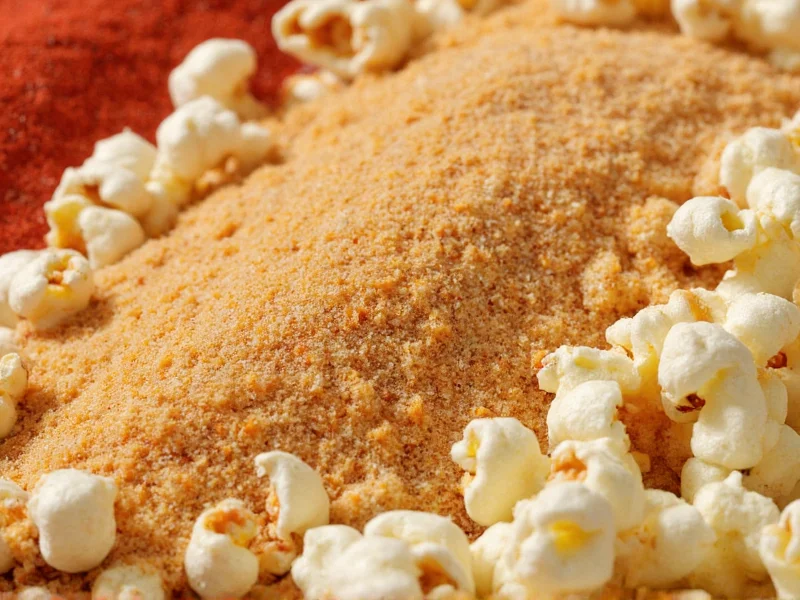
Popcorn's versatility makes it the perfect canvas for flavor experimentation. While plain popcorn has its merits, the right seasoning can elevate this humble snack into something extraordinary. Understanding the science behind popcorn seasoning application and flavor pairing helps create consistently delicious results every time you pop a batch.
The Science of Seasoning Adhesion
Effective popcorn seasoning requires understanding how flavors adhere to kernels. Popcorn's unique structure—mostly starch with a dry surface—presents challenges for seasoning retention. The key is moisture: a light coating of melted butter, oil, or even a fine mist of water creates a binding layer that helps dry seasonings stick. For best results, apply seasonings immediately after popping while kernels are still slightly warm and porous.
Evolution of Popcorn Seasoning: A Historical Timeline
Popcorn seasoning has transformed dramatically alongside cultural shifts and technological advancements. This progression reveals how flavor innovation responds to changing consumer demands:
| Era | Key Developments | Flavor Innovation Impact |
|---|---|---|
| 1940s-1950s | Movie theater butter-salt standardization; invention of commercial popcorn machines | Created the iconic "theater butter" profile; established popcorn as America's premier movie snack |
| 1960s-1970s | Rise of cheese-flavored snacks (e.g., Cheetos); microwave popcorn patent (1981) | Enabled mass-market cheese seasonings; paved way for shelf-stable flavored popcorn |
| 1980s-1990s | Globalization of food culture; health trends (low-fat movement) | Introduced wasabi, taco, and dill pickle flavors; spurred low-sodium alternatives |
| 2000s-Present | Social media food trends; artisanal food movement | Exploded custom blends (truffle, bourbon); normalized nutritional yeast as "cheesy" vegan option |
Source: The Popcorn Board's Historical Archives documenting industry evolution since 1938.
Classic Popcorn Seasoning Categories
Seasoning preferences vary widely based on cultural background, dietary needs, and personal taste. According to the International Food Information Council's 2024 consumer survey of 2,000 U.S. adults, butter remains the dominant preference (58%), but generational divides reveal critical nuances: Gen Z shows 42% higher interest in international flavors compared to Baby Boomers, while 67% of health-conscious consumers prioritize nutritional yeast over cheese powders. The following categories represent the most common popcorn flavor profiles enjoyed worldwide:
| Flavor Category | Popular Varieties | Best Application Method |
|---|---|---|
| Savory Classics | Butter-salt, Cheese, Ranch, Garlic Herb | Light butter/oil spray + dry seasoning |
| Sweet Options | Kettle corn, Caramel, Chocolate, Cinnamon Sugar | Butter + sugar mixture while warm |
| Spicy Blends | Nacho cheese, Buffalo wing, Chili lime, Sriracha | Butter + hot sauce or spice blend |
| Global Inspirations | Taco, Wasabi, Dill pickle, Furikake | Dry seasoning with light oil mist |
| Health-Conscious | Nutritional yeast, Everything bagel, Smoked paprika | Dry seasoning with light oil mist |
Source: IFIC 2024 Food & Health Survey, Section 4.2: Snack Flavor Preferences.
Savory Popcorn Seasoning Flavors
Savory seasonings remain the most popular choice for popcorn enthusiasts. Traditional butter and salt creates that nostalgic movie theater experience, while cheese varieties offer rich umami depth. Cheddar cheese powder provides bold flavor without moisture issues, making it ideal for pre-popped bags. Parmesan and herb blends deliver sophisticated notes perfect for adult gatherings. For those seeking restaurant-style flavors, everything bagel seasoning has gained significant popularity as one of the best popcorn seasoning for casual snacking.
Sweet Popcorn Flavor Combinations
Sweet popcorn seasonings balance sugar and salt for that addictive sweet-salty profile. Kettle corn remains a festival favorite, while cinnamon sugar offers warmth perfect for fall. Caramel corn takes popcorn to dessert territory with its sticky, crunchy coating. For chocolate lovers, cocoa powder blended with a touch of sugar creates a surprisingly sophisticated treat. When preparing sweet popcorn seasoning recipes at home, apply sugar-based seasonings while popcorn is still warm to ensure proper adhesion.
Spicy and Bold Flavor Profiles
Adventure seekers often explore spicy popcorn seasoning flavors that deliver heat with complexity. Nacho cheese combines cheese flavor with jalapeño kick, while buffalo wing seasoning brings that tangy cayenne punch. Chili lime offers Mexican-inspired zest with its combination of heat and citrus. For those who enjoy Asian flavors, wasabi powder creates an intense but brief heat experience. When working with spicy seasonings, start with less than you think you need—you can always add more after tasting.
International Popcorn Seasoning Inspirations
Global cuisines have influenced innovative popcorn seasoning ideas that transport snackers around the world. Japanese furikake (seaweed and sesame blend) offers umami richness, while Indian chat masala delivers tangy tamarind notes. Mexican taco seasoning brings cumin and chili powder warmth, and British malt vinegar powder recreates the classic fish and chips experience. These international popcorn flavor recipes expand your culinary horizons while requiring minimal ingredients.
Health-Conscious Seasoning Alternatives
For those seeking healthier popcorn seasoning options, several alternatives deliver big flavor with nutritional benefits. Nutritional yeast (affectionately called "nooch") provides cheesy flavor with B vitamins and protein. Smoked paprika offers depth without sodium, while garlic powder and onion powder add savory notes with antioxidant benefits. When exploring low sodium popcorn seasoning solutions, consider using citrus zest or vinegar powder for brightness without salt. These healthy popcorn seasoning alternatives prove you don't need excessive salt or fat to create delicious popcorn.
Creating Custom Popcorn Seasoning Blends
The beauty of popcorn seasoning lies in customization. Start with a base of 1/4 cup corn oil or melted butter for every 10 cups of popped corn, then experiment with dry seasonings. For a restaurant-quality experience at home, try these professional popcorn flavor combinations:
- Truffle Parmesan: 2 tbsp grated parmesan + 1 tsp truffle salt + 1/2 tsp garlic powder
- Maple Bacon: 2 tbsp real maple syrup + 1/4 cup crumbled bacon + 1/2 tsp smoked paprika
- Lemon Herb: Zest of 1 lemon + 1 tbsp dried dill + 1 tsp onion powder + 1/2 tsp salt
- Spicy Curry: 1 tbsp curry powder + 1 tsp turmeric + 1/2 tsp cayenne (adjust to taste)
When developing your own homemade popcorn flavor recipes, remember that less is often more—over-seasoning can overwhelm popcorn's delicate flavor. Start with small batches to test combinations before making larger quantities.
Storage and Freshness Tips
For best results with dry popcorn seasonings, store them in airtight containers away from light and moisture. Whole spices maintain freshness longer than pre-ground versions. When using oil-based seasonings, consume within 24 hours for optimal texture. Pre-mixed dry seasonings can last several months when properly stored, making them excellent candidates for homemade popcorn seasoning gift sets.




 浙公网安备
33010002000092号
浙公网安备
33010002000092号 浙B2-20120091-4