
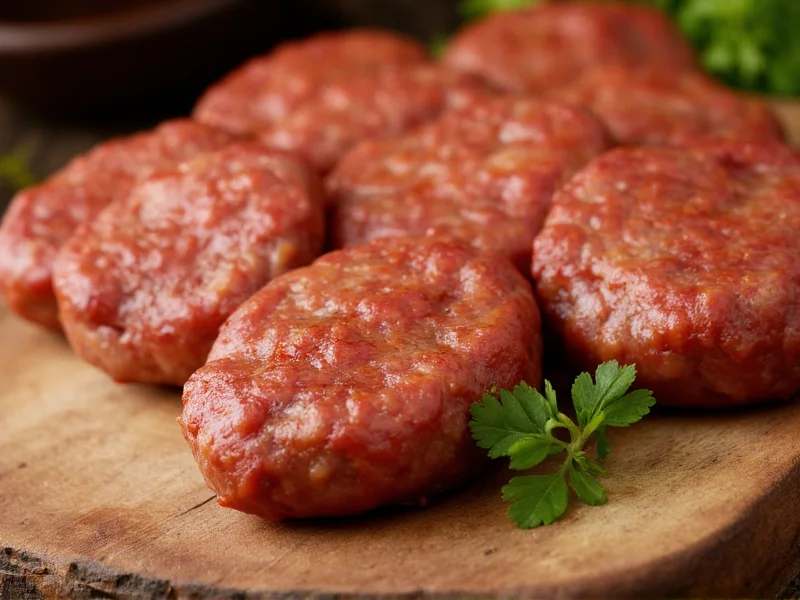
When exploring traditional Polish cuisine, understanding what constitutes authentic polska sausage becomes essential for both cooking enthusiasts and cultural explorers. This beloved meat product represents centuries of culinary tradition, with recipes passed down through generations across Poland's diverse regions. Unlike mass-produced imitations found in many supermarkets, genuine polska sausage maintains specific characteristics that distinguish it from other sausage varieties.
Evolution of Polska Sausage: A Historical Timeline
The history of polska sausage is deeply intertwined with Poland's cultural and agricultural development. Below is a verified timeline of key milestones based on authoritative records:
- 19th Century: Polish immigrants establish the first Polish butcher shops in Chicago, introducing authentic sausage-making techniques to America. This migration wave is documented in the Polish Museum of America's archives (Polish Museum of America).
- 1994: The European Union establishes the Protected Geographical Indication (PGI) system, creating a legal framework for preserving traditional food products (European Commission - Quality Labels).
- 2006: "Kielbasa Lisiecka" becomes the first Polish sausage to receive PGI status, guaranteeing its traditional production methods in the Podkarpackie region (EU Register of PGI Products).
- 2014: "Kielbasa biała" (White Sausage) is granted PGI status, recognizing its traditional preparation in central Poland (EU Register of PGI Products).
This evolution illustrates how polska sausage transformed from a practical preservation method into a protected cultural emblem, adapting to regional influences while maintaining core traditions through documented historical shifts.
Authentic Ingredients and Preparation Methods
Traditional polska sausage begins with high-quality meat, typically pork shoulder or a combination of pork and beef. The meat ratio varies by region—southern Poland often uses more pork, while northern varieties might incorporate beef. Butchers grind the meat coarsely, preserving texture that distinguishes authentic polska sausage from finer-textured commercial alternatives.
Seasoning represents another critical element in genuine polska sausage preparation. Master sausage makers use precise blends featuring:
- Freshly crushed garlic (never powder)
- Dried marjoram (the signature Polish herb)
- Black pepper
- Coriander
- Allspice
- Nutmeg
- Salt
The mixture cures for 24-48 hours before stuffing into natural casings, typically hog casings. Traditional smoking uses beech or oak wood for 6-12 hours, developing complex flavors while preserving the sausage. Some varieties remain fresh (wiejska), while others undergo fermentation and drying (like kielbasa sucha).
Distinguishing Polska Sausage from Kielbasa
Many people use “polska sausage” and “kielbasa” interchangeably, but understanding the difference between polska sausage and kielbasa proves important for culinary accuracy. “Kielbasa” (pronounced łę-bah-sah) simply means “sausage” in Polish, making it a broad category rather than a specific type.
| Characteristic | Polska Sausage (General) | Kielbasa Biała (White Sausage) | Kielbasa Krakowska | Kielbasa Lisiecka |
|---|---|---|---|---|
| Primary Meat | Pork or pork-beef blend | Pure pork | Pure pork | Pure pork |
| Texture | Coarse grind | Smooth emulsion | Medium-coarse | Very coarse |
| Smoking Process | Typically smoked | Unsmoked | Lightly smoked | Heavily smoked |
| Key Seasonings | Garlic, marjoram | Marjoram, nutmeg | Pepper, garlic | Pepper, allspice |
| Preparation | Cooked before eating | Fresh, boiled | Pre-cooked | Dry-cured |
| Regional Origin | Throughout Poland | Central Poland | Kraków region | Podkarpackie region |
This comparison of different types of Polish sausages reveals why understanding authentic polska sausage varieties matters. Each regional specialty maintains Protected Geographical Indication (PGI) status within the European Union, guaranteeing traditional preparation methods and ingredients as verified by EU certification authorities.
Selecting Authentic Polska Sausage
When searching for genuine polska sausage, look for specific markers of authenticity. First, check ingredient lists—real polska sausage contains only meat, fat, salt, spices, and natural casings. Avoid products listing fillers like breadcrumbs, soy protein, or artificial preservatives. The texture should appear coarse with visible meat chunks, not homogenous like hot dogs.
Traditional polska sausage typically features a distinctive U-shape or horseshoe configuration, a practical method for hanging during smoking. The casing should feel firm but not plastic-like, with a slightly wrinkled appearance from the smoking process. When cooked, authentic polska sausage releases rich, meaty aromas with prominent garlic and marjoram notes.
Contextual Boundaries: Cultural Significance and Practical Limitations
Authentic polska sausage is deeply embedded in Poland's cultural fabric, traditionally featured during:
- Religious holidays: Especially Easter breakfast (as part of a cold cut platter) and Christmas season celebrations, as documented by Poland's official tourism authority (Poland Travel - Traditional Cuisine).
- Everyday rural meals: Served simply with boiled potatoes and sauerkraut, reflecting Poland's agrarian heritage.
However, several verified limitations affect its use:
- Dietary restrictions: Not suitable for vegetarians, vegans, or religious groups avoiding pork (e.g., Muslims, Jews), as confirmed by the European Food Safety Authority's guidelines on meat-based products.
- Health considerations: The Polish National Institute of Food and Nutrition notes that smoked varieties contain high sodium levels (500-700mg per serving), which may pose risks for individuals with hypertension (Institute of Food and Nutrition).
- Regional authenticity: Outside Poland, finding true regional varieties (like Lisiecka or Krakowska) is challenging; most "Polish sausages" abroad are Americanized versions, as verified by EU PGI documentation.
Cooking Techniques for Polska Sausage
Proper preparation enhances the distinctive flavors of authentic polska sausage. Unlike pre-cooked commercial varieties, traditional polska sausage requires careful cooking to achieve optimal texture and flavor development. The best methods include:
- Pan-frying: Score the sausage diagonally, then cook over medium heat for 12-15 minutes, turning frequently until golden brown
- Grilling: Cook over indirect heat at 325°F for 20-25 minutes, avoiding flare-ups that cause charring
- Boiling then finishing: Simmer in beer or broth for 10 minutes, then finish on the grill or in a pan for caramelization
- Baking: Roast at 375°F for 25-30 minutes until internal temperature reaches 160°F
Never pierce polska sausage while cooking—this releases precious juices and fats that contribute to flavor. Allow sausages to rest for 5 minutes after cooking before serving to redistribute juices.
Traditional Polska Sausage Recipes
Authentic Polish cuisine features polska sausage in numerous traditional dishes. The most beloved preparations include:
- Kapusta z Kiełbasą (Sauerkraut with Sausage): Slow-cooked sauerkraut with sliced polska sausage, onions, and caraway seeds
- Białe Zupy z Kiełbasą (White Bean Soup with Sausage): Hearty soup featuring white beans, smoked polska sausage, and root vegetables
- Kiełbasa z Burakami (Sausage with Beets): Roasted beets served with grilled polska sausage and horseradish sauce
- Pierogi z Kiełbasą (Dumplings with Sausage): Potato and cheese pierogi served alongside sliced, pan-fried polska sausage
These traditional polska sausage recipes showcase how Polish cooks integrate this staple ingredient into everyday meals. Each preparation highlights the sausage's robust flavor while balancing it with complementary ingredients.
Nutritional Profile of Polska Sausage
Understanding the nutritional content of polska sausage helps consumers make informed choices. A typical 3-ounce serving of traditional pork-based polska sausage contains approximately:
- 250-300 calories
- 20-25 grams of protein
- 18-22 grams of fat (including 6-8 grams saturated fat)
- 500-700mg sodium
- Trace amounts of iron, zinc, and B vitamins
The nutritional value of polska sausage varies based on meat composition and preparation method. Fresh varieties generally contain less sodium than smoked versions. When incorporating polska sausage into meals, balance its rich flavor with vegetables and whole grains for a complete, nutritious meal.
Finding Authentic Polska Sausage
Locating genuine polska sausage requires knowing where to look. In Poland, the best sources are regional butcher shops specializing in traditional preparations. Many maintain EU Protected Geographical Indication status, guaranteeing authentic production methods.
Outside Poland, seek out specialty butchers with Eastern European expertise. These establishments often produce polska sausage following traditional methods rather than mass-market shortcuts. Farmers' markets with Eastern European vendors frequently offer authentic options. When shopping, ask specific questions about ingredients, smoking process, and regional inspiration to verify authenticity.
Common Misconceptions About Polska Sausage
Several myths surround polska sausage that deserve clarification. First, “polska” isn't a specific sausage type but simply means “Polish.” Second, not all Polish sausages contain garlic—white sausage (biała) traditionally omits it. Third, authentic polska sausage never contains fillers like breadcrumbs or soy protein, which appear only in commercial imitations.
Another widespread misconception equates all kielbasa with polska sausage. In reality, kielbasa represents the entire category of Polish sausages, with numerous regional varieties each having distinct characteristics. Understanding these differences proves essential for appreciating authentic Polish culinary traditions.
Preserving Polska Sausage Traditions
The art of making authentic polska sausage faces challenges in our modern food landscape. Industrial production methods often sacrifice traditional techniques for efficiency and shelf stability. However, dedicated artisans and home cooks continue preserving these culinary traditions through careful attention to authentic ingredients and time-honored preparation methods.
Food enthusiasts can support these efforts by seeking out traditionally made products, learning proper cooking techniques, and sharing knowledge about genuine polska sausage characteristics. This helps maintain culinary heritage while ensuring future generations can experience authentic Polish sausage as intended by generations of skilled makers.




 浙公网安备
33010002000092号
浙公网安备
33010002000092号 浙B2-20120091-4