
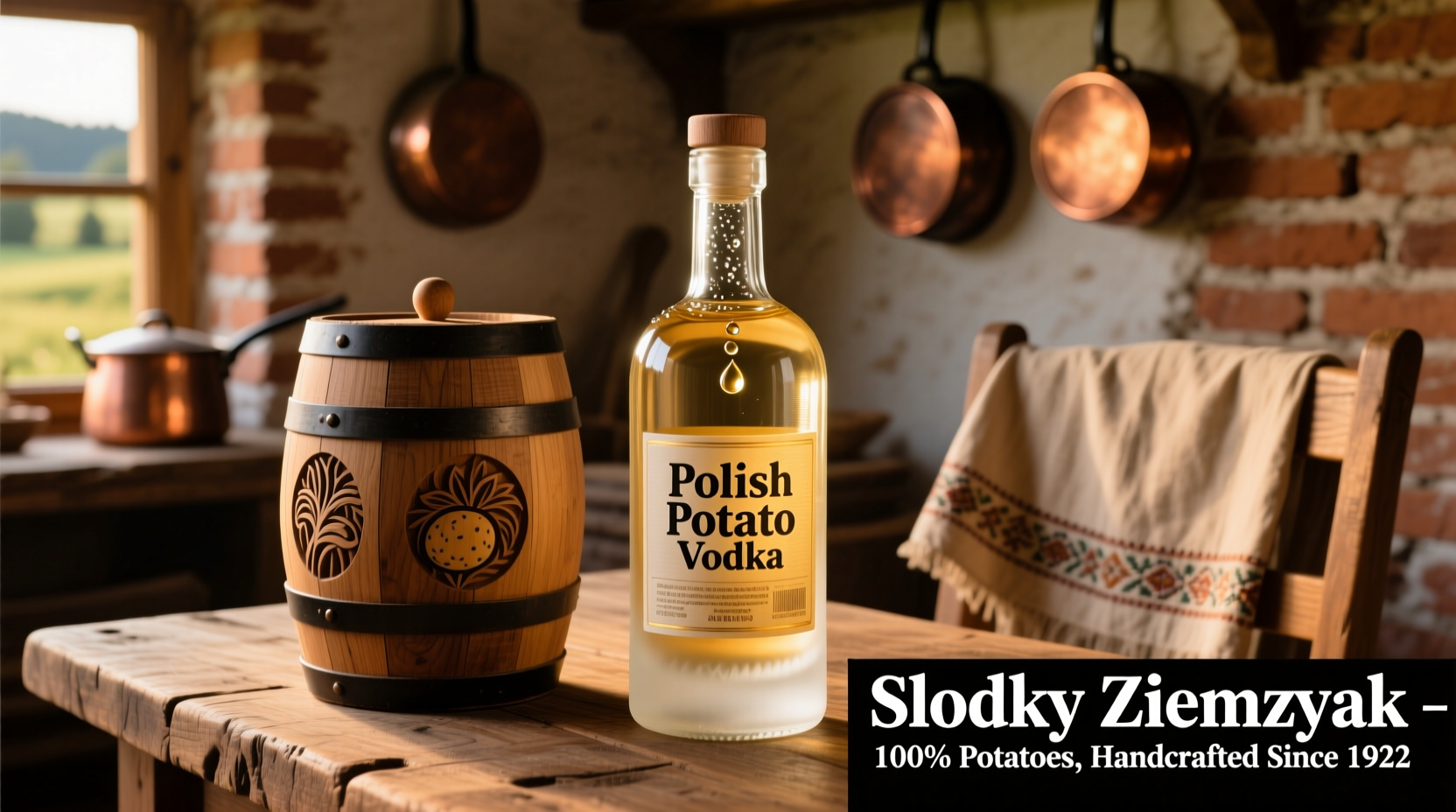
Discover why Polish potato vodka stands apart in the spirits world. By the end of this guide, you'll understand the historical significance, production nuances, and sensory characteristics that make potato-based vodkas uniquely valuable to discerning drinkers. You'll learn how to identify authentic Polish potato vodka, appreciate its distinctive flavor profile, and select quality bottles that honor centuries of distillation tradition.
The Potato Vodka Difference: More Than Just Ingredients
While most vodkas use grains like rye or wheat, authentic Polish potato vodka relies solely on high-starch potatoes, creating a fundamentally different spirit. The potato's complex starch composition yields more glycerol during fermentation, resulting in a noticeably smoother texture and richer mouthfeel. According to the European Union's spirits regulation (EC) No 110/2008, vodka labeled as "potato vodka" must be produced exclusively from potatoes, with no additional flavorings permitted.
| Characteristic | Potato Vodka | Grain Vodka |
|---|---|---|
| Base Ingredient | Potatoes (Solanum tuberosum) | Rye, wheat, or barley |
| Starch Composition | Complex potato starches | Simpler grain starches |
| Mouthfeel | Creamy, velvety texture | Lighter, crisper profile |
| Flavor Notes | Earthy, subtle sweetness, mild vegetal notes | Clean, neutral, sometimes peppery |
| Traditional Regions | Eastern Poland (Lublin, Subcarpathia) | Western Poland (Wielkopolska) |
From Field to Flask: The Art of Potato Vodka Production
The journey of Polish potato vodka begins with specific potato varieties selected for their high starch content and low sugar levels. Traditional producers favor varieties like Bryza, Glada, and Iglo, which contain approximately 18-22% starch—significantly higher than table potatoes. After harvesting, these potatoes undergo a meticulous process:
- Preparation: Potatoes are washed, peeled, and cooked to break down complex starches
- Mashing: Cooked potatoes are mashed and cooled to optimal fermentation temperature
- Fermentation: Natural enzymes convert starches to sugars, then yeast transforms sugars to alcohol (typically 8-10% ABV)
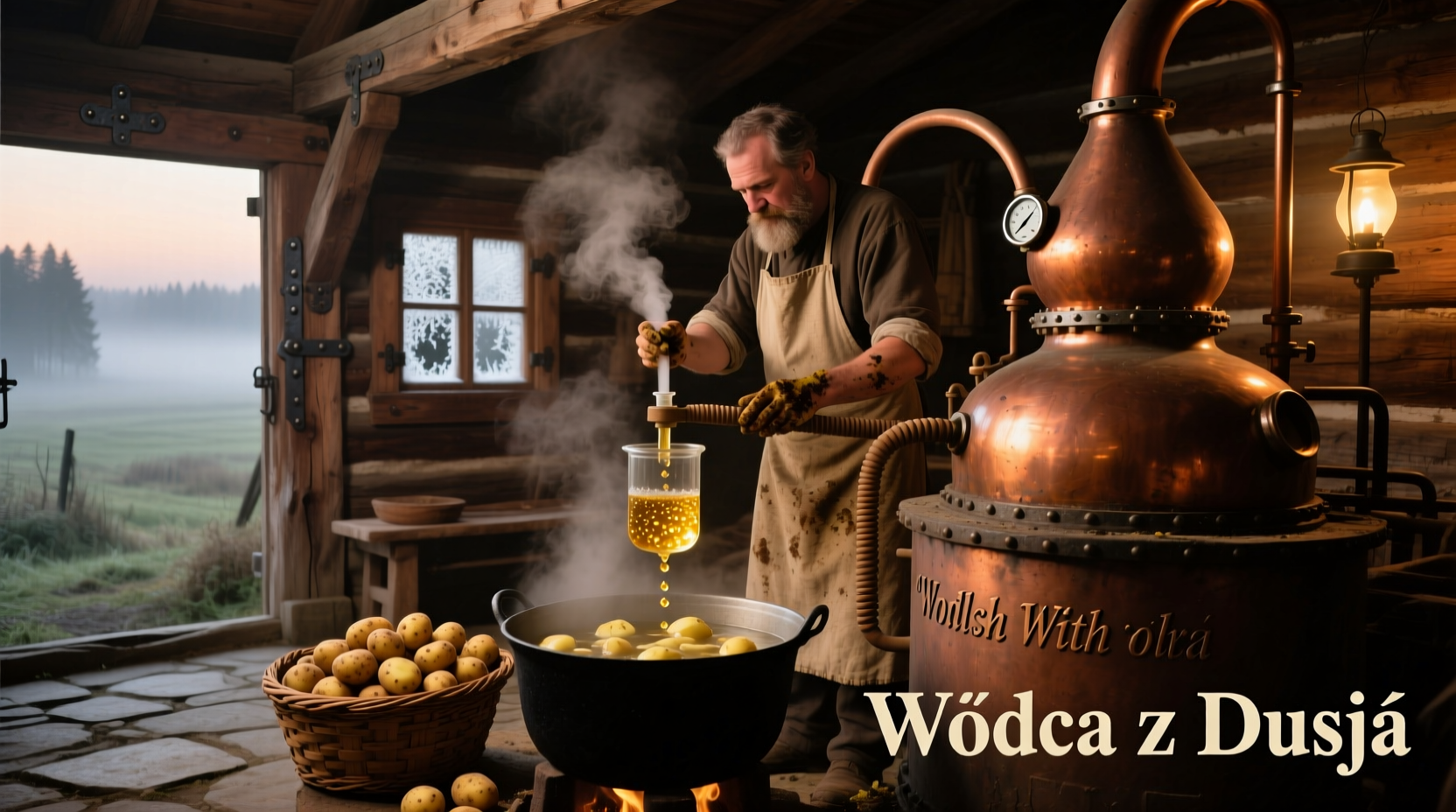
- Distillation: Triple-distilled in copper pot stills to achieve purity while preserving character
- Filtration: Passed through charcoal and quartz sand for clarity without stripping flavor
- Dilution: Reduced to bottling strength (typically 40% ABV) using pure artesian water
Unlike industrial vodka production, traditional Polish potato vodka makers avoid centrifugation and excessive filtration that would remove the spirit's distinctive character. The Polish Ministry of Agriculture's 2022 report on traditional spirits production confirms that authentic potato vodkas require at least 12 kilograms of potatoes to produce one liter of finished product—a significantly higher ratio than grain vodkas.
Centuries in the Making: A Timeline of Polish Potato Vodka
Potato vodka's history in Poland reflects agricultural innovation and cultural adaptation:
- 1763: First documented potato vodka production in Poland after potatoes were introduced from the Americas
- 1843: Józef Silberstein establishes first commercial potato vodka distillery in Lublin
- 1894: Polish chemist Zygmunt Wróblewski publishes research on optimal potato varieties for distillation
- 1927: Polish government establishes quality standards for potato vodka production
- 1968: Introduction of continuous distillation for potato vodka while maintaining traditional character
- 2008: EU recognizes "Polish Vodka" as a protected geographical indication
- 2021: Polish Ministry of Agriculture certifies 17 traditional potato vodka producers under "Traditional Speciality Guaranteed" status
Sensory Experience: What to Expect When Tasting Potato Vodka
When evaluating quality Polish potato vodka, focus on these sensory characteristics:
- Appearance: Crystal clear with slight viscosity visible when swirled
- Nose: Subtle earthy notes with hints of fresh potato, cream, and sometimes almond
- Palate: Smooth entry with creamy texture, mild sweetness, and gentle warmth
- Finish: Clean but persistent, with characteristic velvety mouthfeel that distinguishes it from grain vodkas
According to sensory analysis conducted by the International Wine and Spirit Competition, potato vodkas consistently score higher in "mouthfeel" and "complexity" categories compared to grain counterparts, though they may show slightly more variation between batches due to agricultural factors.
Appreciating Authentic Polish Potato Vodka: Practical Guidance
To fully experience what makes Polish potato vodka special, follow these recommendations:
Serving Temperature
Serve chilled but not ice-cold (8-12°C / 46-54°F). Excessive chilling numbs the subtle flavors that distinguish potato vodka. Traditional Polish practice involves storing bottles in a cool cellar rather than a freezer.
Glassware Selection
Use a small tulip-shaped glass (50-70ml capacity) that concentrates aromas while allowing proper aeration. Avoid shot glasses, which encourage rapid consumption that misses the spirit's nuances.
Tasting Technique
Take small sips, allowing the vodka to coat your palate. Notice how the texture evolves from initial creaminess to gentle warmth. Quality potato vodka should never burn harshly—the alcohol integration should feel seamless.
Food Pairings
Traditional Polish pairings include:
- Smoked fish (particularly salmon or eel)
- Pickled vegetables (beets, cucumbers, mushrooms)
- Dark rye bread with butter and fresh herbs
- Cold cuts like kielbasa or smoked ham
These pairings complement potato vodka's earthy notes while cleansing the palate between sips.
Identifying Quality Potato Vodka: What to Look For
When selecting authentic Polish potato vodka, check for these indicators:
- Labeling: Must state "made from potatoes" or "z ziemniaków" (Polish for "from potatoes")
- Producer Information: Reputable brands list their distillery location in Poland
- Alcohol Content: Traditional Polish potato vodkas are typically 40% ABV
- Certifications: Look for "Traditional Speciality Guaranteed" (TSG) or "Protected Geographical Indication" (PGI) labels
Beware of marketing terms like "potato distilled" which may indicate only partial potato content. True Polish potato vodka uses 100% potatoes as the base ingredient. The Polish Vodka Museum in Łańcut confirms that authentic potato vodkas should never contain added sugar, glycerin, or flavorings—these indicate lower quality products attempting to mask inferior distillation.
Common Misconceptions About Potato Vodka
Several myths persist about potato-based vodkas:
- Myth: Potato vodka causes worse hangovers
Fact: Hangover severity relates to congeners and impurities, not base ingredient. Properly distilled potato vodka contains fewer impurities than poorly made grain vodka. - Myth: All potato vodkas taste earthy or vegetal
Fact: Quality distillation removes harsh vegetal notes while preserving desirable texture. The best examples show subtle earthiness rather than pronounced potato flavor. - Myth: Potato vodka is only for traditionalists
Fact: Many contemporary mixologists prefer potato vodka for cocktails requiring smooth texture, like martinis or Bloody Marys, where its creaminess enhances mouthfeel.
When Potato Vodka Shines: Practical Applications
While personal preference plays a role, potato vodka particularly excels in specific contexts:
- Neat consumption: Its smooth texture makes it ideal for sipping slowly, appreciating subtle flavor evolution
- Cocktails requiring texture: Martinis, Bloody Marys, and other drinks benefit from its creamy mouthfeel
- Colder climates: The gentle warmth integrates better with body temperature in cooler environments
- After-dinner service: Traditional in Eastern Europe as a digestif following rich meals
However, potato vodka may not be the optimal choice when absolute neutrality is required, such as in certain modern cocktails where the base spirit should remain completely in the background. In these cases, highly refined grain vodkas might serve better.




 浙公网安备
33010002000092号
浙公网安备
33010002000092号 浙B2-20120091-4