

Polish potato pancakes (placki ziemniaczane) and latkes are distinct culinary traditions with different origins, ingredients, and cultural significance. While both feature grated potatoes as the base, authentic Polish pancakes use flour as a binder and are typically served with savory toppings like mushroom sauce, whereas traditional latkes use matzo meal or egg as binder and are deeply connected to Hanukkah celebrations with apple sauce or sour cream.
Clearing Up the Potato Pancake Confusion
When you search for "polish potato pancakes latkes," you're likely encountering a common culinary misunderstanding. Many home cooks treat these as identical dishes, but they represent separate food traditions with meaningful differences. Understanding these distinctions helps you appreciate each dish's cultural heritage and prepare authentic versions that honor their origins.
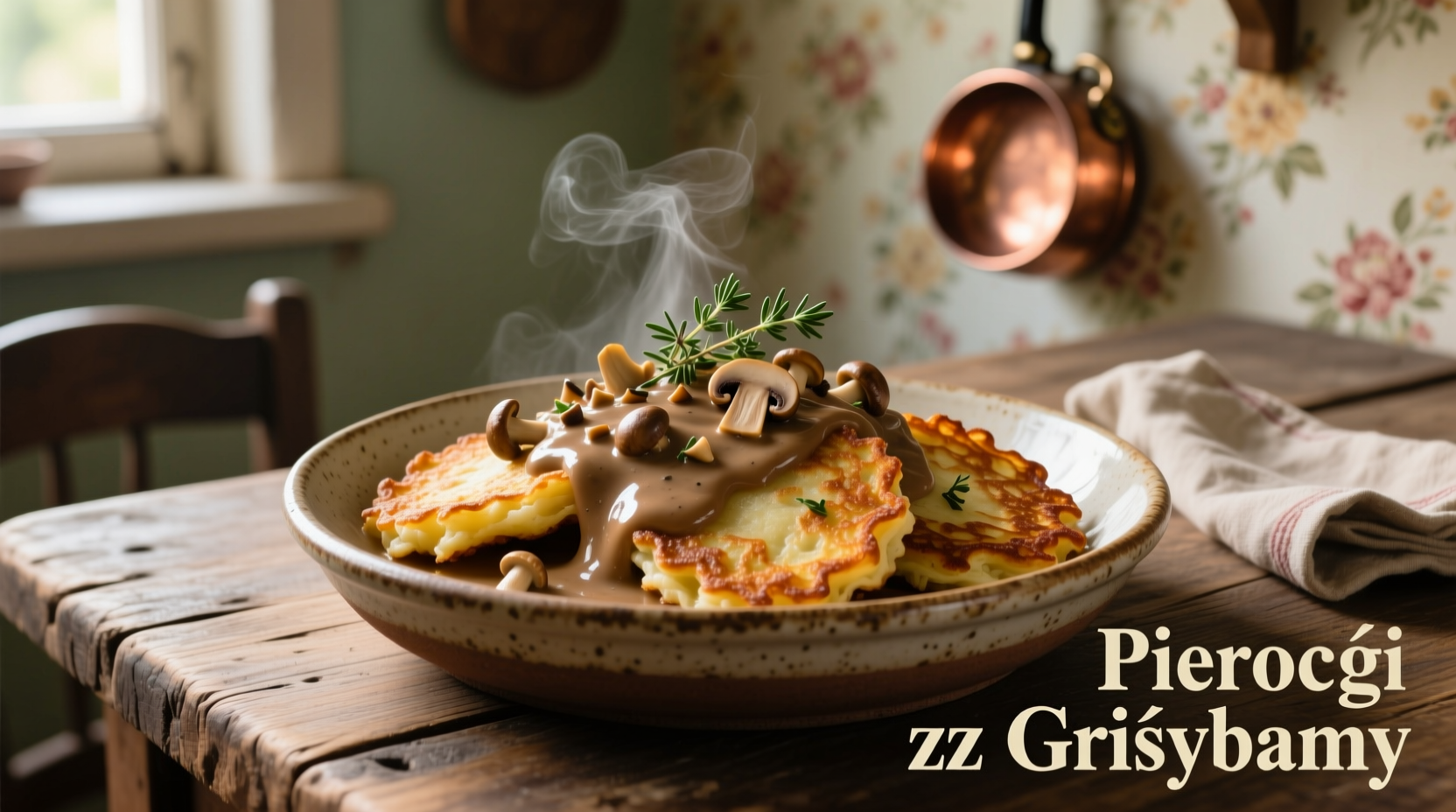
Why the Confusion Exists
The similarity in appearance and basic ingredients creates understandable confusion. Both dishes emerged in Eastern Europe where potatoes became dietary staples after their introduction from the Americas. As Jewish and Polish communities lived in proximity throughout history, culinary cross-pollination occurred, but each culture maintained distinctive preparation methods and cultural contexts for their potato pancakes.
Historical Evolution Timeline
Potato pancakes evolved differently across Eastern Europe:
- 1650s: Potatoes introduced to Poland from the Americas, initially grown as ornamental plants
- 1790s: First documented Polish potato pancake recipes appear in cookbooks like "Compendium ferculorum" by Stanisław Czerniecki
- Pre-1800s: Traditional latkes were actually cheese pancakes in Eastern European Jewish communities
- Mid-1800s: Potatoes became affordable staple, leading to potato-based latkes during Hanukkah
- Early 1900s: Jewish immigrants brought latkes to America, where the potato version became dominant
- Post-WWII: Cultural blending in diaspora communities led to increased confusion between the two dishes
| Feature | Polish Potato Pancakes (Placki ziemniaczane) | Traditional Latkes |
|---|---|---|
| Primary Binder | Flour | Matzo meal or beaten egg |
| Traditional Occasion | Everyday meal, winter comfort food | Hanukkah celebration |
| Texture | Thinner, more pancake-like | Thicker, more croquette-like |
| Classic Toppings | Mushroom sauce, goulash, or savory toppings | Apple sauce or sour cream |
| Cultural Significance | National dish element | Religious symbolism (oil for Hanukkah) |
Key Preparation Differences You Should Know
While recipes vary by family, authentic preparation methods maintain important distinctions:
Polish potato pancakes: Require squeezing ALL liquid from grated potatoes (critical step many miss). The traditional ratio uses 500g potatoes to 1 small onion, 1 egg, and 2-3 tablespoons of flour. They're fried in neutral oil until golden on both sides, resulting in a thinner, more delicate pancake. In Poland, they're commonly served as a main course with mushroom sauce (placki z ziemniaków z gzymsami) or topped with hearty meat stews.
Traditional latkes: Historically used matzo meal as binder during Passover when flour was prohibited, though modern versions often use egg alone. The potato mixture typically includes a pinch of salt and sometimes a small amount of baking powder for lightness. Authentic latkes are thicker and denser, fried in oil to symbolize the Hanukkah miracle. The texture should be crispy outside with a tender interior, never soggy.
When the Distinction Matters Most
Understanding these differences becomes crucial in specific contexts:
- Cultural celebrations: Serving latkes during Hanukkah carries religious significance that Polish pancakes don't share
- Regional authenticity: In Poland, asking for "latkes" would cause confusion as they're called "placki"
- Culinary accuracy: Food historians and cultural preservationists maintain these distinctions to honor each tradition
- Menu planning: Understanding proper pairings enhances your dining experience
That said, culinary evolution means many modern recipes blend elements from both traditions. In contemporary cooking, the lines have blurred, especially in American Jewish cuisine where "latkes" has become the common term for any potato pancake regardless of cultural origin.
Perfecting Your Potato Pancakes: Practical Tips
Whether you're making authentic Polish placki or traditional latkes, these professional techniques ensure success:
- Dry potatoes thoroughly: Use a clean kitchen towel to squeeze out every drop of liquid - this prevents soggy pancakes
- Use the right potato variety: Russet or Yukon Gold work best for both versions due to their starch content
- Maintain oil temperature: Keep frying oil between 350-375°F (175-190°C) for optimal crispness without greasiness
- Fry in small batches: Overcrowding the pan lowers oil temperature and creates steamed rather than fried pancakes
- Drain properly: Place finished pancakes on wire rack, not paper towels, to maintain crisp texture
For authentic Polish presentation, serve placki with a rich mushroom sauce made from wild forest mushrooms if possible. For traditional latkes, freshly grated apple sauce made with tart apples provides the ideal sweet contrast to the savory pancakes.
Cultural Significance Beyond the Kitchen
These dishes represent more than just food - they embody cultural resilience. For Polish communities, potato pancakes symbolize resourcefulness during difficult historical periods when potatoes provided essential nutrition. For Jewish communities, latkes carry the story of religious perseverance, commemorating the Hanukkah miracle where a small amount of oil lasted eight days.
Food historians at the Museum of Polish History in Warsaw note that potato pancakes became particularly important in Polish cuisine after the Partitions of Poland (1772-1795), when potatoes provided reliable sustenance during political upheaval. Similarly, Jewish culinary scholars at the YIVO Institute for Jewish Research document how latkes evolved from cheese pancakes to potato versions as economic conditions changed in 19th century Eastern Europe.




 浙公网安备
33010002000092号
 浙B2-20120091-4