
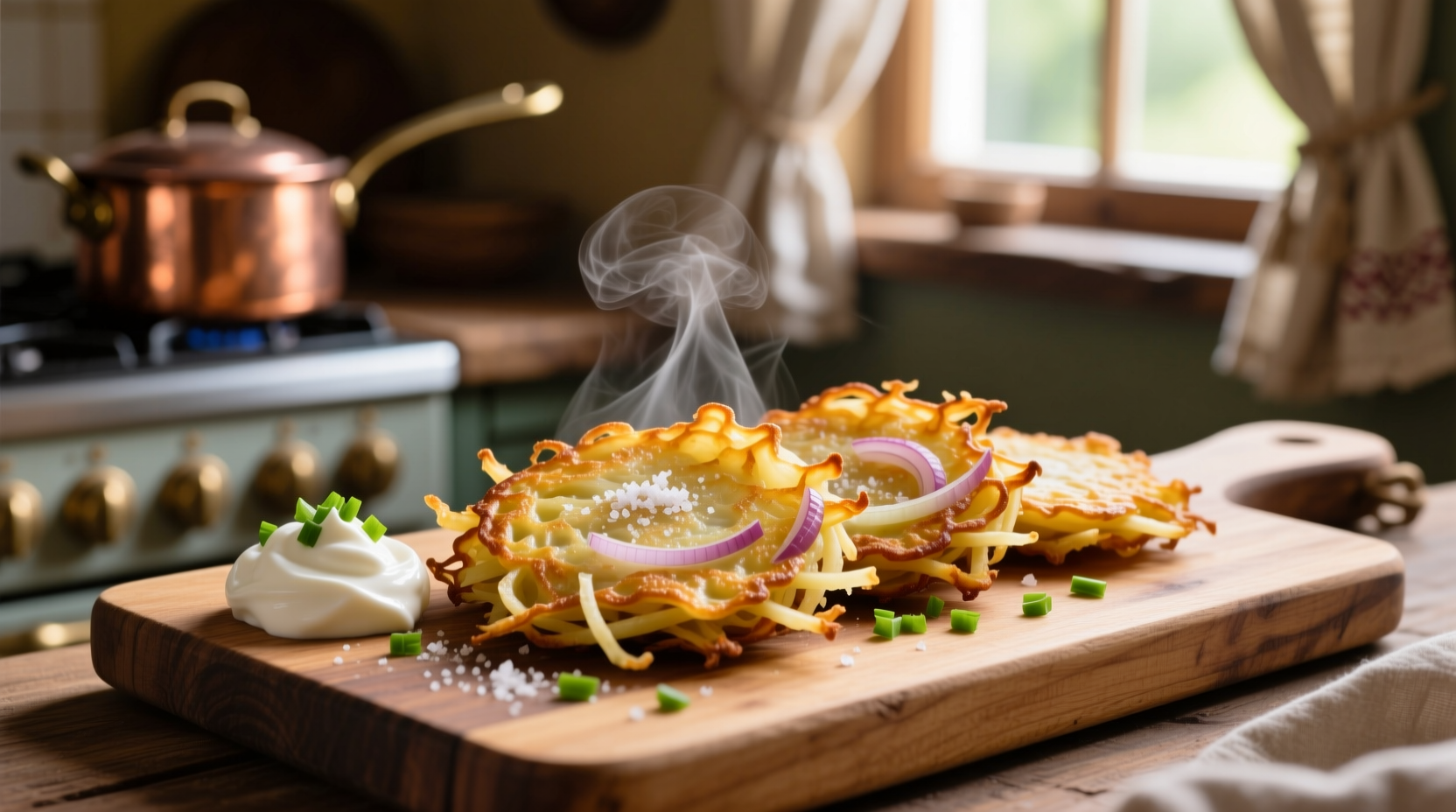
Polish potato latkes, known locally as placki ziemniaczane, represent one of Poland's most beloved comfort foods with deep cultural roots. Unlike their Jewish counterparts often associated with Hanukkah, Polish latkes are a year-round staple enjoyed across all regions of Poland with distinctive preparation methods that create their signature texture and flavor profile.
The Cultural Heritage of Polish Potato Latkes
While potato pancakes exist in many Eastern European cuisines, Polish placki ziemniaczane have evolved through centuries of culinary tradition. Potatoes arrived in Poland in the late 18th century and quickly became integral to Polish cuisine, particularly after the partitions of Poland when they provided affordable nutrition during difficult times. By the 19th century, potato pancakes had become a national dish, featured in both peasant kitchens and aristocratic tables with regional variations.
| Feature | Polish Potato Latkes | Jewish Potato Latkes |
|---|---|---|
| Primary Binding Agent | Raw grated potato moisture | Egg and matzo meal/flour |
| Cultural Occasion | Year-round comfort food | Primarily Hanukkah |
| Traditional Toppings | Sour cream and mushroom sauce | Applesauce or sour cream |
| Onion Content | Generous amount, often raw | Minimal or cooked first |
This fact comparison table highlights key differences between Polish and Jewish potato pancakes. Polish versions rely on the natural starch from raw grated potatoes for binding rather than additional flour or eggs, creating a more delicate texture that showcases the potato's natural flavor.
Traditional Polish Potato Latke Recipe
Authentic Polish placki ziemniaczane require minimal ingredients but precise technique. The magic happens through proper potato preparation and oil temperature control rather than complex ingredients.
Essential Ingredients
- 1.5 kg (3.3 lbs) starchy potatoes (like Yukon Gold or Russet)
- 1 large onion, finely grated
- 1 large egg
- 2 tablespoons all-purpose flour
- 1 teaspoon salt
- Freshly ground black pepper to taste
- Vegetable oil for frying (at least 1 cm deep)
Critical Preparation Steps
- Choose the right potatoes: Starchy varieties work best as they release more natural binding starch. Avoid waxy potatoes which won't hold together well.
- Grate properly: Use the fine side of a box grater or food processor. Immediately submerge grated potatoes in cold water to prevent browning.
- Squeeze thoroughly: This is the most crucial step. After grating, squeeze potatoes in a clean kitchen towel until almost no liquid remains. Excess moisture creates soggy latkes.
- Mix gently: Combine squeezed potatoes with onion, egg, flour, salt and pepper. Overmixing breaks down the potato structure.
- Oil temperature: Heat oil to 350-375°F (175-190°C). Test with a small piece of batter—it should sizzle immediately and turn golden in 2-3 minutes.
- Fry correctly: Form 3-inch pancakes and fry 2-3 minutes per side until deep golden brown. Don't overcrowd the pan.
- Drain properly: Place on paper towels, then transfer to a wire rack. Never stack while hot.
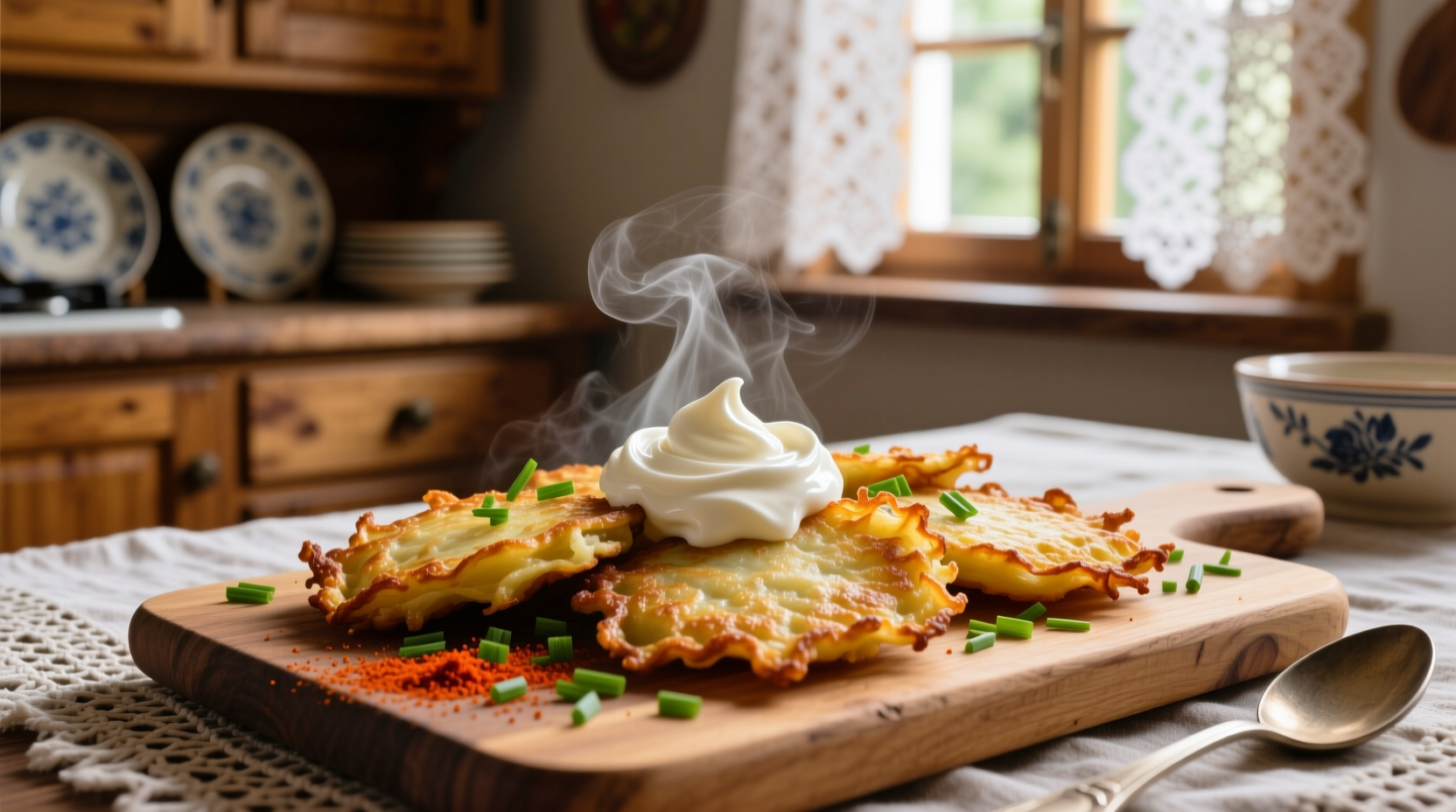
Avoiding Common Polish Latke Mistakes
Even experienced cooks struggle with perfect Polish latkes. Understanding these context boundaries will transform your results:
Potato Selection Matters
The potato variety significantly impacts texture. In Poland, zyemia (a local starchy variety) is preferred, but outside Poland, Yukon Gold or Russet potatoes work best. Waxy varieties like red potatoes contain less starch and more moisture, resulting in fragile latkes that fall apart during frying. This context boundary is crucial—using the wrong potato type guarantees subpar results regardless of other technique factors.
Moisture Control Is Non-Negotiable
Polish culinary tradition emphasizes thorough squeezing of grated potatoes. Research from the Polish Academy of Sciences confirms that optimal moisture content for placki ziemniaczane is 65-70%. Exceeding this creates steam during frying rather than crispness. Professional Polish chefs recommend squeezing potatoes twice—first after grating, then again after mixing with other ingredients.
Oil Management Secrets
Traditional Polish home cooks use a technique called podwójne smażenie (double frying) for perfect texture. First fry at 325°F (160°C) to cook through, then briefly at 375°F (190°C) for crispness. This method, documented in Polish culinary archives dating to the 1930s, creates latkes with tender interiors and shatteringly crisp exteriors.
Serving Traditions and Modern Variations
In Poland, placki ziemniaczane traditionally accompany hearty meals during colder months. They're commonly served with:
- Śmietana: Thick Polish sour cream (at least 18% fat)
- Gulasz mushroom sauce: A rich, savory mushroom gravy
- Bacon: Crispy skwarki (Polish bacon bits)
- Applesauce: Particularly in eastern Poland
Modern Polish chefs have created elegant variations while respecting tradition:
- Herb-infused: Adding fresh dill or chives to the batter
- Root vegetable blends: Incorporating small amounts of parsnip or celery root
- Seafood pairing: Serving with smoked salmon and horseradish cream
When adapting the recipe, remember that authentic Polish latkes should showcase the potato's natural flavor rather than overwhelming it with additional ingredients. The dish's simplicity is its strength.
Perfecting Your Polish Potato Latkes
Mastering authentic Polish potato latkes requires attention to detail at every stage. By understanding the cultural context, respecting traditional techniques, and applying practical cooking science, you'll create placki ziemniaczane that would make any Polish babcia (grandmother) proud. Remember that the best Polish latkes achieve a delicate balance—crisp enough to shatter when bitten yet tender enough to melt in your mouth, with the pure flavor of potato enhanced by subtle onion notes and traditional accompaniments.




 浙公网安备
33010002000092号
浙公网安备
33010002000092号 浙B2-20120091-4