
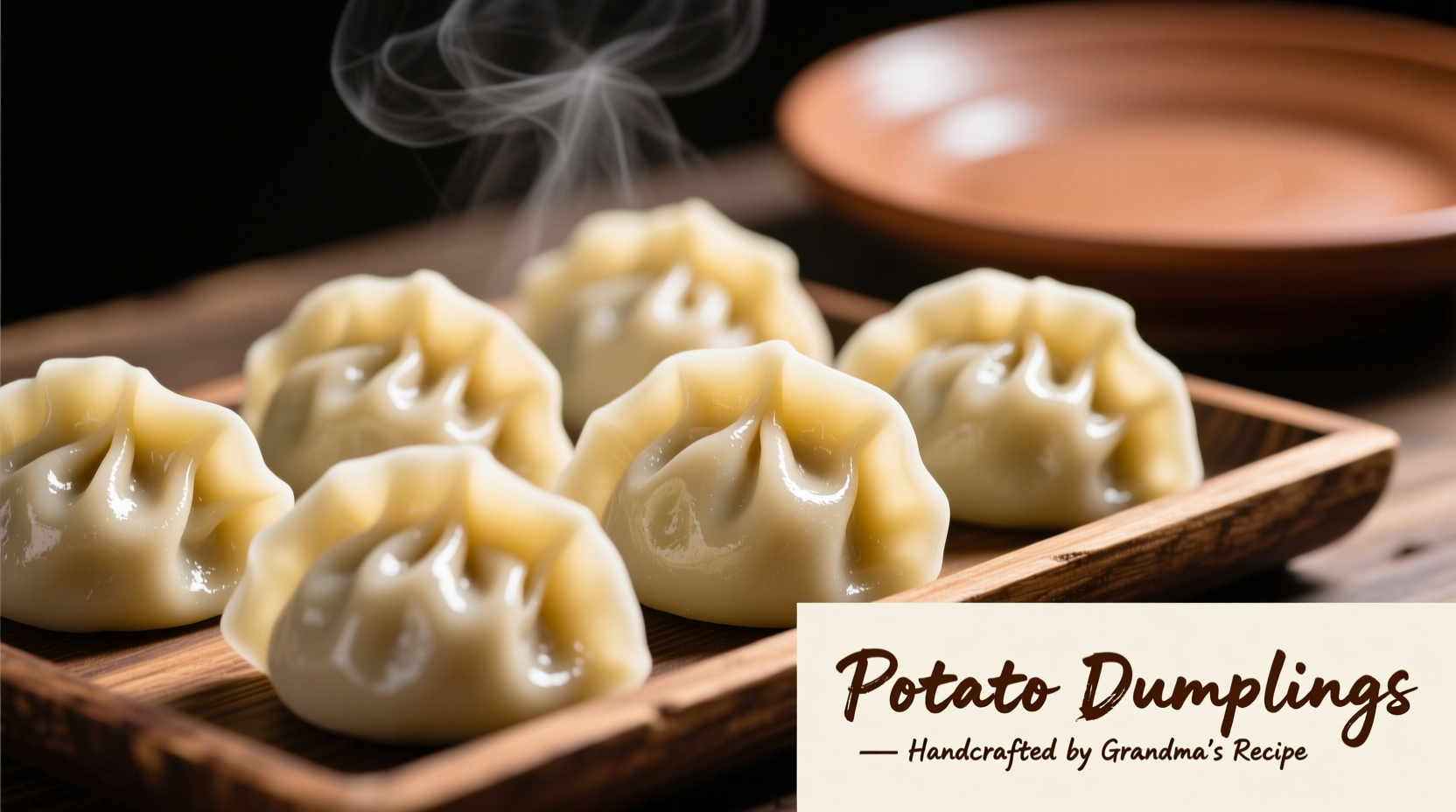
The Heart of Polish Comfort Food: Understanding Pierogi Ruskie
When you bite into a perfectly cooked pierogi ruskie, you're experiencing centuries of Polish culinary tradition. These half-moon shaped dumplings represent more than just food—they're a cultural symbol served at holidays, family gatherings, and everyday meals across Poland. The simple yet satisfying combination of creamy potatoes, mild farmer's cheese, and caramelized onions creates a flavor profile that has endured for generations.
From Royal Courts to Family Kitchens: The Evolution of Potato Dumplings
Potatoes didn't arrive in Poland until the late 16th century, but they quickly became integral to Polish cuisine. By the 17th century, resourceful Polish cooks began incorporating this new ingredient into traditional dumpling recipes. The first recorded mention of potato-filled pierogi appears in a 1682 cookbook by Stanisław Czerniecki, Compendium Ferculorum, Poland's oldest known culinary text. As potato cultivation spread across Eastern Europe, these dumplings evolved from luxury items served in noble households to beloved comfort food accessible to all social classes.
| Historical Period | Key Developments | Ingredients Used |
|---|---|---|
| Late 1500s | Potatoes introduced to Poland | Exclusively for nobility, considered ornamental |
| 1680s | First written pierogi recipe appears | Wheat flour, potatoes, cheese (for wealthy) |
| 1800s | Mass potato cultivation begins | Rye flour alternatives, seasonal vegetables |
| Present Day | Global popularity, frozen food industry | Traditional ingredients with modern variations |
Essential Ingredients for Authentic Pierogi Ruskie
The magic of perfect pierogi lies in ingredient quality and proportions. Traditional Polish potato dumplings require just a few simple components, but each plays a crucial role:
- Potatoes: Waxy varieties like Yukon Gold or Polish bonnie potatoes maintain structure when boiled and mashed
- Farmer's cheese (twaróg): Mild, fresh cheese with 18-20% fat content—never substitute with ricotta
- Onions: Yellow onions slowly caramelized until golden brown
- Dough: Simple mixture of flour, water, egg, and salt—no yeast
Avoid common mistakes like using starchy russet potatoes (which become gluey) or skipping the crucial step of draining mashed potatoes thoroughly. Polish grandmothers insist potatoes must cool completely before mixing with cheese to prevent a watery filling.
Step-by-Step Guide to Making Perfect Pierogi
Follow this authentic method used in Polish home kitchens for generations:
Dough Preparation (Serves 4-6)
- Mix 3 cups all-purpose flour with 1 tsp salt
- Create well, add 1 large egg and ¾ cup warm water
- Knead 10 minutes until smooth and elastic
- Cover with bowl, rest 30 minutes at room temperature
Potato Filling
- Boil 1.5 lbs waxy potatoes until tender
- Drain thoroughly, mash while hot
- Mix with 1 cup farmer's cheese and ½ cup caramelized onions
- Cool completely before filling dumplings
Assembly and Cooking
- Roll dough to ⅛ inch thickness
- Cut 3-inch circles using glass or cutter
- Place teaspoon filling in center of each circle
- Fold dough over, seal edges with fork or finger press
- Boil in salted water until they float (2-3 minutes)
- Optional: Pan-fry in butter for golden crust
When Tradition Meets Modern Convenience
While handmade pierogi offer the most authentic experience, understanding context boundaries helps modern cooks adapt:
- Traditional settings: Handmade pierogi are essential for Christmas Eve (Wigilia) and other cultural celebrations
- Weeknight meals: High-quality frozen pierogi (check for simple ingredients) provide acceptable alternatives
- Dietary adaptations: Gluten-free flour works for dough but alters texture; vegan versions lack authentic flavor
- Storage limitations: Fresh pierogi keep 2 days refrigerated or 3 months frozen—never refreeze thawed dumplings
Serving Traditions and Pairing Suggestions
In Poland, pierogi ruskie are typically served with:
- Clear browned butter with additional caramelized onions
- Sour cream (śmietana) for dipping
- Simple side salad of cucumbers and dill
- Traditional accompaniments like kiełbasa or fried bacon bits
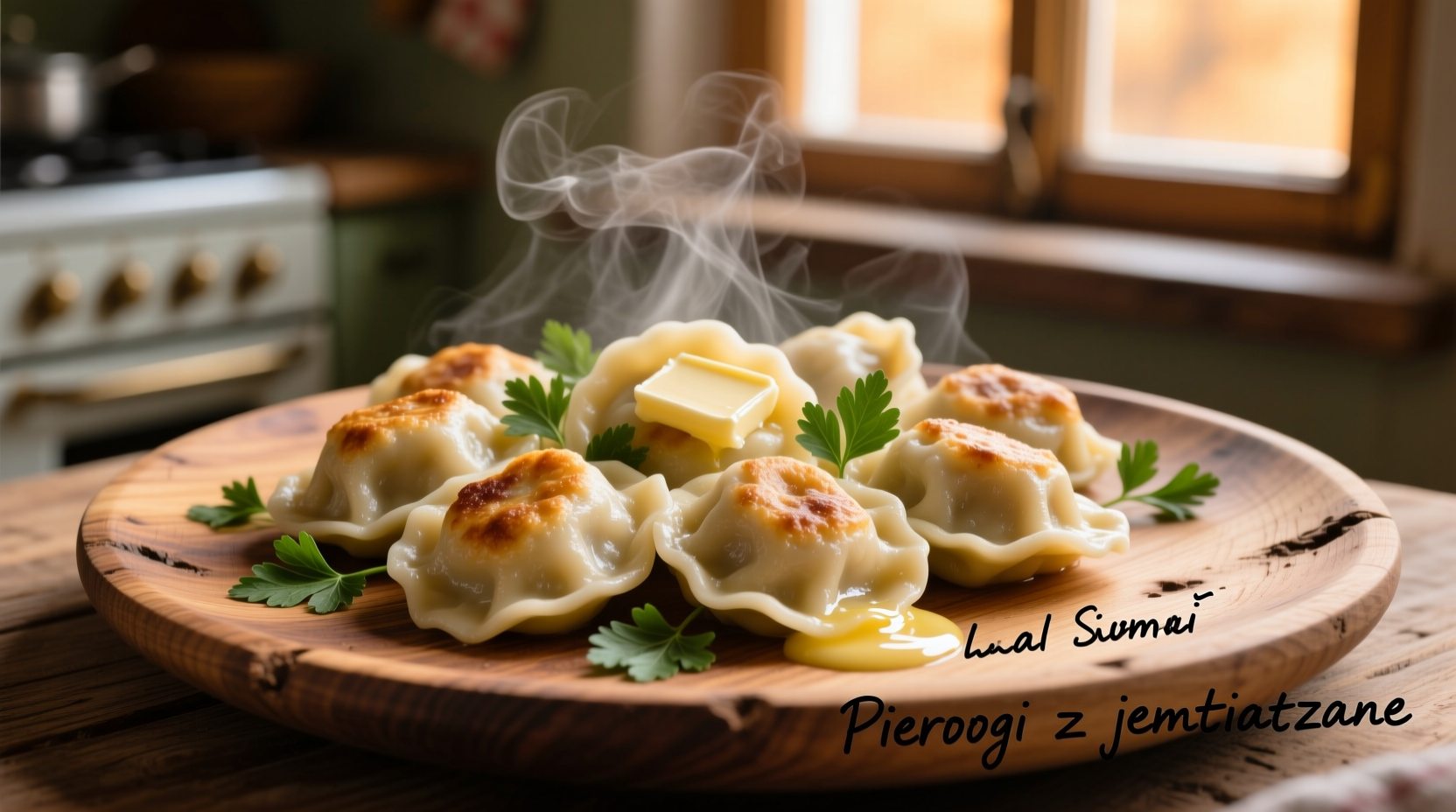
For authentic presentation, serve on warm plates with butter generously drizzled over the top. Many Polish families follow the tradition of eating pierogi in multiple courses—first plain with butter, then with additional toppings.
Preserving the Tradition: Freezing and Storage Tips
Proper freezing technique ensures your homemade pierogi maintain quality:
- Arrange uncooked pierogi on floured baking sheet
- Freeze until solid (2 hours)
- Transfer to airtight containers with parchment between layers
- Label with date and contents
- Cook directly from frozen—add 1-2 minutes to boiling time
Never thaw pierogi before cooking, as this causes them to become soggy. Properly frozen pierogi maintain quality for up to 3 months.




 浙公网安备
33010002000092号
浙公网安备
33010002000092号 浙B2-20120091-4