
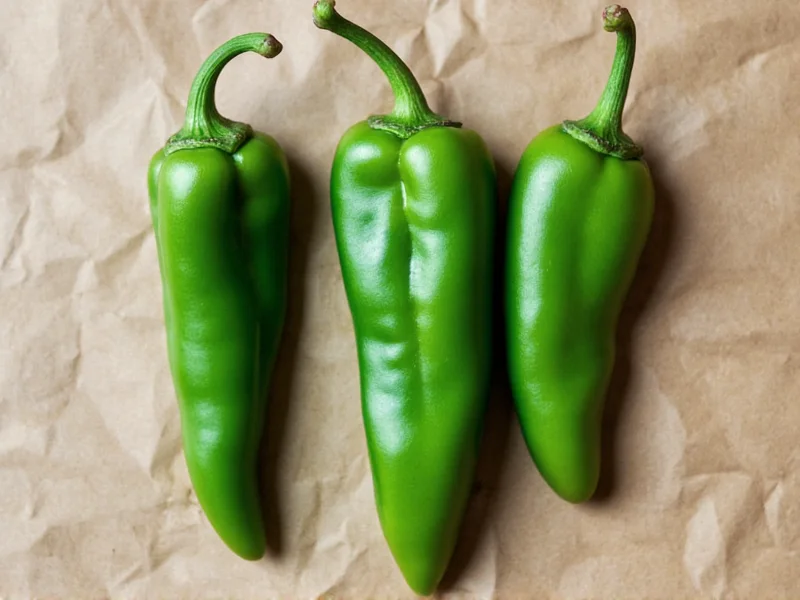
Poblano peppers typically measure between 1,000 and 2,000 Scoville Heat Units (SHU), placing them in the mild to medium range of the spice spectrum. They're significantly milder than jalapeños (2,500-8,000 SHU) but slightly hotter than bell peppers (0 SHU), making them versatile for various cooking applications without overwhelming heat.
When exploring poblano pepper heat level, it's essential to understand where these popular Mexican peppers fall on the Scoville scale. As one of the most commonly used peppers in Southwestern and Mexican cuisine, poblanos offer a distinctive flavor profile with moderate heat that won't overwhelm most palates.
Understanding Poblano Pepper Scoville Units
The Scoville scale measures capsaicin concentration, the compound responsible for a pepper's heat. Poblanos register between 1,000-2,000 SHU, though this can vary based on growing conditions and maturity. When dried, poblanos become ancho peppers, which maintain a similar heat profile but develop a richer, smokier flavor.
Many home cooks wonder how spicy are poblano peppers compared to more familiar varieties. While they're generally mild, poblanos can occasionally surprise with unexpected heat spikes—more on why this happens later in the article.
Factors That Influence Poblano Heat Level
Several elements affect the poblano pepper heat range you might experience:
- Stress conditions: Peppers grown in hotter, drier climates or with less water tend to develop more capsaicin
- Maturity: As poblanos ripen and turn from dark green to reddish-brown, their heat level increases
- Individual variation: Even within the same plant, heat can vary significantly between peppers
- Seed and membrane concentration: The white ribs and seeds contain most of the capsaicin
This natural variation explains why some people report why are some poblano peppers hotter than others—a common question among home cooks who've experienced inconsistent heat levels.
Poblano Pepper Maturation Timeline and Heat Evolution
Research from New Mexico State University's Chile Pepper Institute documents how heat develops through specific maturation stages, providing growers and chefs with predictable patterns:
- Green Stage (Harvested Early): 1,000-1,500 SHU - optimal for fresh applications like chiles rellenos due to crisp texture and mild heat
- Intermediate Stage (Color Transition): 1,500-1,800 SHU - develops balanced heat ideal for roasted dishes and sauces
- Red Stage (Fully Mature): 1,800-2,000 SHU - achieves complex fruit notes before drying into anchos for mole sauces
This progression explains regional harvest variations; Mexican producers often pick early for consistent mildness, while U.S. growers may allow full maturation for deeper flavor. Source: Chile Pepper Institute: Poblano Maturation Study
Poblano Heat Compared to Other Popular Peppers
| Pepper Variety | Scoville Heat Units (SHU) | Heat Level | Primary Culinary Use |
|---|---|---|---|
| Bell Pepper | 0 | Mild (No heat) | Fresh salads, stuffing |
| Poblano Pepper | 1,000-2,000 | Mild to Medium | Chiles rellenos, rajas, mole |
| Jalapeño Pepper | 2,500-8,000 | Medium | Salsas, pickled peppers |
| Serrano Pepper | 10,000-23,000 | Medium-Hot | Pico de gallo, hot sauces |
| Habanero Pepper | 100,000-350,000 | Very Hot | Caribbean sauces, extreme heat applications |
Contextual Boundaries: Ideal Applications and Limitations
Per USDA Agricultural Research Service guidelines and New Mexico State University field trials, poblanos demonstrate clear usage boundaries that impact recipe success:
- Ideal For:
- Stuffed preparations (chiles rellenos) due to thick walls and cavity size
- Dairy-based sauces (rajas con crema) where mild heat complements乳制品
- Complex sauces like mole requiring layered flavor without spice dominance
- Key Limitations:
- Avoid in high-heat applications (max 2,000 SHU vs. 100,000+ for habaneros)
- Unreliable for commercial spice-standardized products due to natural variation
- Short refrigerated shelf life (3-5 days) compared to thinner-walled peppers
These boundaries explain why professional kitchens often blend poblanos with hotter peppers for consistent results. Source: USDA ARS: Chile Pepper Application Standards
Cooking with Poblano Peppers: Managing the Heat
Understanding poblano pepper heat level compared to jalapeno helps home chefs make informed decisions in the kitchen. Since poblanos are generally milder than jalapeños, they're excellent for dishes where you want pepper flavor without intense heat.
For those concerned about are poblano peppers hot enough for their taste preferences, consider these practical tips:
- Remove seeds and white membranes to reduce heat significantly
- Roast poblanos to enhance their natural sweetness and mellow the heat
- Combine with dairy products (like cheese or cream) to counteract spiciness
- Start with one pepper in recipes and adjust to taste—remember that heat can vary
When substituting poblanos in recipes calling for other peppers, keep in mind that ancho vs poblano heat level is nearly identical since anchos are simply dried poblanos, though the drying process concentrates flavors while maintaining similar heat levels.
Common Misconceptions About Poblano Heat
Several myths persist about poblano pepper scoville units that deserve clarification:
Myth: All poblanos have the same heat level
Reality: Significant variation occurs between individual peppers, even from the same plant.
Myth: Larger poblanos are always milder
Reality: Size doesn't reliably indicate heat level; environmental factors play a larger role.
Myth: Poblanos are too hot for children
Reality: Their mild heat makes them suitable for most children when seeds and membranes are removed—a valuable consideration for families exploring mild pepper options for cooking.
When Poblanos Surprise with Unexpected Heat
Occasionally, you might encounter a poblano that delivers more heat than expected. This phenomenon, while uncommon, happens due to:
- Genetic variations within the poblano variety
- Environmental stressors during growth
- Advanced maturity (redder poblanos tend to be hotter)
If you experience unexpectedly high heat when working with cooking with poblano peppers heat level, remember that dairy products like milk, yogurt, or cheese can help neutralize the capsaicin. Starchy foods like rice or bread can also provide relief by absorbing some of the heat compounds.
Practical Applications for Different Heat Preferences
Understanding the poblano pepper heat range allows you to tailor recipes to various spice tolerances:
- For mild preference: Remove all seeds and membranes, and consider blanching before use
- For medium preference: Keep some membranes but remove seeds for balanced flavor and heat
- For adventurous eaters: Include some seeds for enhanced heat while maintaining poblano's distinctive flavor
When planning dishes for mixed spice tolerance groups, consider preparing poblano-based recipes like chiles rellenos or rajas con crema with the heat elements (seeds and membranes) served separately, allowing each person to customize their portion.




 浙公网安备
33010002000092号
浙公网安备
33010002000092号 浙B2-20120091-4