
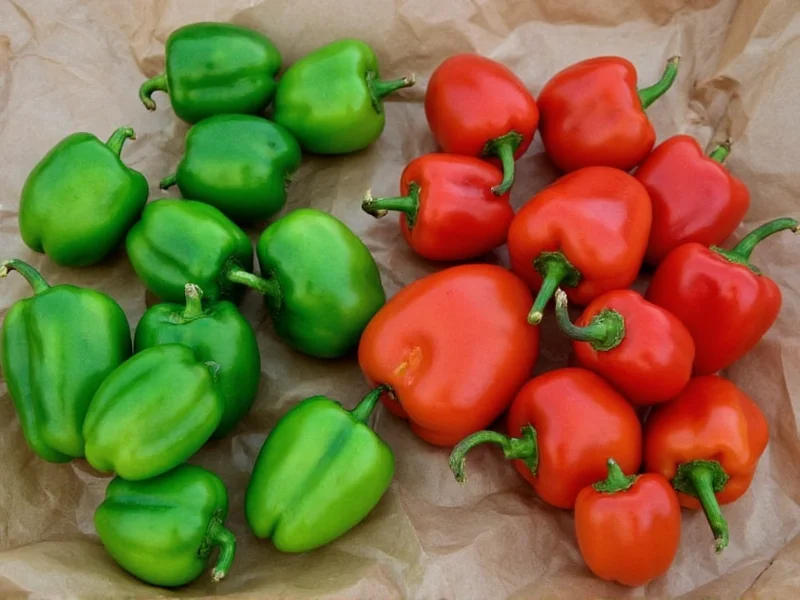
Understanding the differences between poblano peppers vs serrano peppers is essential for home cooks and culinary enthusiasts who want to create authentic Mexican dishes or simply expand their flavor repertoire. While both originate from Mexico and belong to the Capsicum annuum species, these peppers serve distinctly different purposes in the kitchen due to their varying heat levels, flavors, and physical characteristics.
Physical Characteristics: Size, Shape, and Appearance
When comparing poblano peppers vs serrano peppers side by side, the most immediate difference is their physical appearance. Poblanos are larger, typically measuring 4-6 inches long and 2-3 inches wide with a distinctive heart-shaped or teardrop form. They start dark green and mature to a rich, deep red. The skin is relatively thick and slightly wrinkled when roasted.
Serrano peppers, by contrast, are much smaller—usually 1-4 inches long and about 0.5-1 inch in diameter—with a straight, cylindrical shape that tapers to a point. They maintain a bright green color when immature but can also ripen to red, orange, or yellow. Their skin is notably smoother and shinier than poblanos.
| Characteristic | Poblano Pepper | Serrano Pepper |
|---|---|---|
| Size | 4-6 inches long, 2-3 inches wide | 1-4 inches long, 0.5-1 inch wide |
| Shape | Heart-shaped, broad shoulders | Straight, cylindrical, tapered |
| Color (immature) | Dark green | Bright green |
| Color (mature) | Deep red, sometimes brown | Red, orange, or yellow |
| Skin texture | Thicker, becomes wrinkled when roasted | Thinner, smooth and shiny |
Heat Level Comparison: Understanding the Scoville Scale Difference
The most significant difference between poblano peppers vs serrano peppers lies in their heat intensity. This distinction is crucial when considering poblano vs serrano for recipes, as substituting one for the other without adjustments can dramatically alter a dish's outcome.
Poblano peppers register between 1,000-2,000 Scoville Heat Units (SHU), placing them in the mild category—comparable to banana peppers. Most people can enjoy poblanos without significant heat sensation, making them accessible even to those with low spice tolerance. When roasted, their heat diminishes slightly while their flavor becomes more complex.
Serrano peppers, however, range from 10,000-23,000 SHU—making them up to 23 times hotter than poblanos. They sit between jalapeños and cayenne peppers on the heat scale. The heat from serranos hits quickly with a sharp, bright intensity that can overwhelm dishes if used in equal quantities to poblanos. This dramatic difference explains why understanding poblano peppers vs serrano heat comparison is so important for recipe success.
Flavor Profiles: Earthy Depth vs Bright Intensity
Beyond heat, the flavor profiles of poblano peppers vs serrano peppers offer distinct culinary experiences. Poblanos deliver a rich, earthy, almost smoky flavor with subtle notes of dried fruit and tobacco, especially when roasted. Their thick walls provide substantial texture that holds up well to stuffing and baking. This complex flavor makes them ideal for dishes where pepper flavor should complement rather than dominate.
Serrano peppers offer a cleaner, brighter heat with grassy, vegetal notes and a slight fruitiness when mature. Their flavor is more straightforward—primarily about delivering clean heat with less underlying complexity than poblanos. This characteristic makes serranos perfect for applications where you want heat to be the primary pepper attribute, such as in fresh salsas or hot sauces.
Culinary Applications: When to Use Each Pepper
Understanding the practical differences between poblano vs serrano in recipes ensures your dishes turn out as intended. Poblanos shine in applications that benefit from their mild heat and substantial texture:
- Chiles Rellenos—the classic stuffed pepper dish where poblanos' size and mild heat are perfect
- Rajas con Crema—sliced roasted poblanos in cream sauce
- Mole sauces—where their earthy flavor contributes to complex sauces
- Quesadillas and Casseroles—their mild heat won't overwhelm other ingredients
Serrano peppers excel where intense heat and bright flavor are desired:
- Pico de Gallo and Salsas Verdes—their clean heat penetrates raw preparations
- Hot Sauces—providing consistent, sharp heat
- Marinades—their heat infuses quickly into proteins
- Garnishes—thinly sliced raw serranos add heat bursts to finished dishes
Substitution Guidance: Can You Replace One With the Other?
One of the most common questions in poblano peppers vs serrano discussions is whether they can substitute for each other. The answer requires nuance:
Using serrano as a poblano substitute requires significant adjustment. For every poblano called for, use only 1/4 to 1/2 of a serrano pepper, finely minced. Consider removing seeds and membranes completely. Even with these adjustments, the flavor profile will differ substantially—serranos lack the earthy depth of poblanos.
Substituting poblano for serrano is less problematic from a heat perspective but affects flavor balance. You'll need 2-3 times the amount of poblano to approach serrano's heat level, which may introduce too much bulk and alter texture. For heat-sensitive applications like salsas, consider adding a pinch of cayenne to compensate for the milder poblano.
When exploring poblano pepper substitute serrano options, remember that bell peppers with a pinch of cayenne often work better than trying to force a direct substitution between these two very different peppers.
Growing Considerations for Home Gardeners
For those interested in growing poblano vs serrano peppers, both varieties have similar cultivation requirements but differ in productivity and maturity time. Poblano plants typically grow 2-3 feet tall with large, broad leaves. They produce fewer but larger fruits, taking 65-80 days to reach maturity. The thick-walled pods are more susceptible to rot if not harvested promptly when ripe.
Serrano plants are more compact (1.5-2 feet tall) with narrower leaves. They're notably more productive, yielding numerous small peppers over a longer season. Serranos mature faster (50-65 days) and continue producing until frost. Their thinner skin makes them less prone to rot but more vulnerable to pests.
Preparation and Storage Tips
Proper preparation enhances each pepper's strengths. For roasting poblano peppers vs serrano, the technique differs slightly due to their skin thickness. Poblanos benefit from thorough charring (using gas flame, broiler, or grill) until blackened, then steaming in a covered bowl before peeling—their thick skin separates easily when properly roasted. Serranos rarely need roasting; their thin skin doesn't peel well, and their flavor shines raw.
Storage differs too: roasted poblanos freeze exceptionally well for months, maintaining texture for future chiles rellenos. Fresh serranos keep 2-3 weeks in the refrigerator's crisper drawer but don't freeze well due to their high water content. For long-term storage of serranos, consider pickling or making hot sauce.
FAQ
Which pepper is hotter, poblano or serrano?
Serrano peppers are significantly hotter than poblanos. Poblanos range from 1,000-2,000 Scoville Heat Units (mild), while serranos measure 10,000-23,000 SHU—making them up to 23 times hotter. This dramatic difference means they're not interchangeable without recipe adjustments.
Can I substitute serrano for poblano in recipes?
Yes, but with significant adjustments. For every poblano, use only 1/4 to 1/2 of a serrano (seeds and membranes removed). The flavor profile will differ—serranos lack the earthy depth of poblanos. For better results, consider using bell pepper with a pinch of cayenne as an alternative substitution.
What's the best way to reduce heat when using serrano peppers?
To reduce serrano heat: 1) Remove all seeds and white membranes (where capsaicin concentrates) 2) Soak sliced peppers in salt water for 15-30 minutes 3) Cook them thoroughly, as heat dissipates somewhat during cooking 4) Balance with dairy (sour cream, cheese) or acid (lime juice) in the final dish.
Why are my poblano peppers sometimes hot?
While typically mild, poblanos can occasionally develop higher heat due to environmental stressors like irregular watering, extreme temperatures, or nutrient deficiencies. The heat usually concentrates in the seeds and membranes. If a poblano tastes unusually hot, remove the seeds and membranes thoroughly before using.
Which pepper works better for stuffed pepper recipes?
Poblano peppers are ideal for stuffed preparations like chiles rellenos due to their large size, thick walls, and mild heat. Their shape accommodates fillings well, and they hold together during baking. Serranos are too small and hot for stuffing applications—their thin walls would collapse during cooking.




 浙公网安备
33010002000092号
浙公网安备
33010002000092号 浙B2-20120091-4