
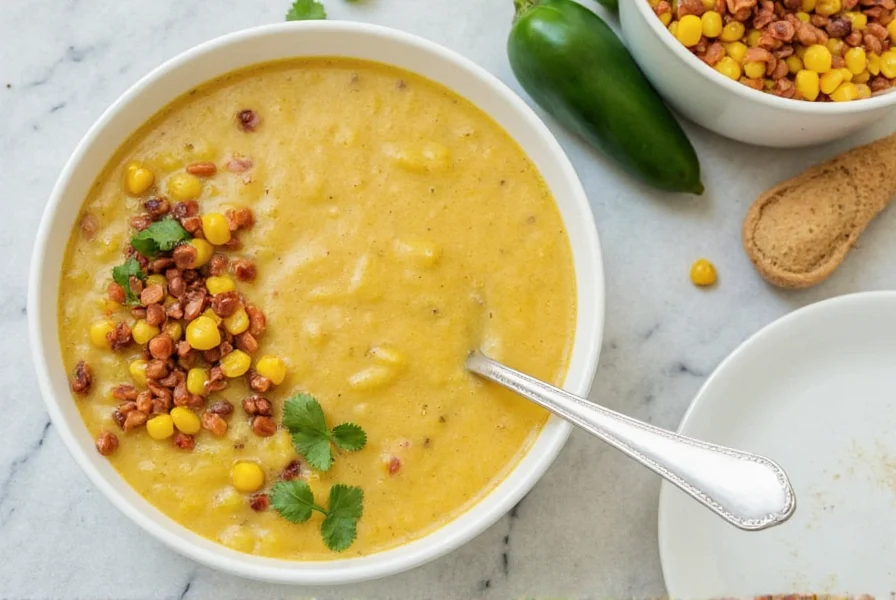
Poblano pepper corn chowder represents the perfect harmony of Southwestern flavors—creamy yet vibrant, mildly spicy yet deeply comforting. This beloved dish transforms humble ingredients into a sophisticated soup that's become a staple in modern American kitchens while honoring its Mexican culinary roots. Unlike traditional seafood chowders, this vegetarian-friendly version showcases the unique earthy-sweet flavor of roasted poblano peppers balanced by the natural sweetness of corn.
The Essential Components of Authentic Poblano Pepper Corn Chowder
Creating exceptional poblano pepper corn chowder requires understanding each ingredient's role. The poblano pepper, often mistaken for mild bell peppers, provides a distinctive earthy flavor with just a hint of heat (about 1,000-2,000 Scoville units). When roasted properly, poblanos develop complex smoky notes that form the flavor foundation. Fresh corn kernels contribute natural sweetness that balances the pepper's earthiness, while aromatics like onions and garlic build depth.
| Key Ingredient | Function in Chowder | Substitution Options |
|---|---|---|
| Roasted Poblano Peppers | Provides earthy base flavor with mild heat | Anaheim peppers (milder), green bell peppers (no heat) |
| Fresh Corn Kernels | Adds natural sweetness and texture | Frozen corn (thawed), canned corn (drained) |
| Vegetable Broth | Creates flavorful liquid base | Chicken broth, mushroom broth |
| Heavy Cream | Provides rich texture and balances heat | Coconut milk, half-and-half, cashew cream |
Step-by-Step Preparation Guide
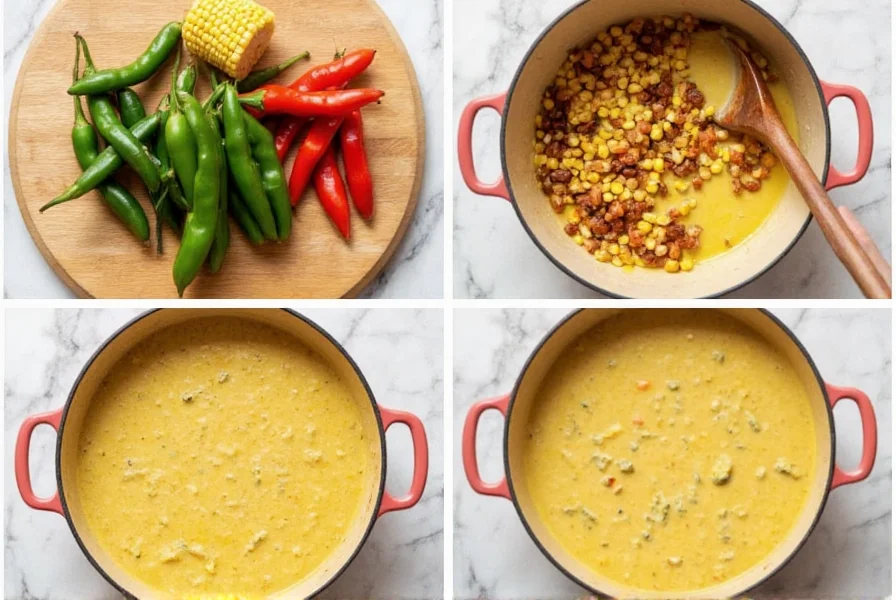
Mastering how to make poblano pepper corn chowder from scratch begins with proper pepper preparation. Start by charring 3-4 fresh poblano peppers directly over gas flame or under broiler until blackened (about 8-10 minutes), rotating frequently. Transfer to sealed container for 10 minutes to steam, then carefully peel off charred skin while preserving the tender flesh beneath. This roasting process unlocks the peppers' natural sugars and creates complex flavor compounds essential for authentic taste.
For the chowder base, sauté 1 diced yellow onion and 3 minced garlic cloves in 2 tablespoons olive oil until translucent. Add the roasted, seeded, and chopped poblanos along with 4 cups fresh corn kernels (about 4-5 ears). Pour in 4 cups vegetable broth and bring to gentle simmer. For creamy texture without dairy, blend 2 cups of the mixture until smooth, then return to pot with remaining ingredients. For traditional creamy poblano pepper corn chowder, stir in 1 cup heavy cream during final simmering stage.
Professional Cooking Tips for Perfect Chowder
Seasoning poblano pepper corn chowder properly makes the difference between good and exceptional. Add spices early in cooking process—1 teaspoon cumin, 1/2 teaspoon smoked paprika, and 1/4 teaspoon cayenne (optional for extra heat)—to allow flavors to meld. The acid component is crucial; finish with 2 tablespoons fresh lime juice just before serving to brighten flavors. For best poblano pepper corn chowder variations, consider adding:
- Black beans for protein and texture
- Roasted sweet potatoes for added sweetness
- Crumbled queso fresco as garnish
- Fresh cilantro and diced avocado on serving
Serving Suggestions and Storage Instructions
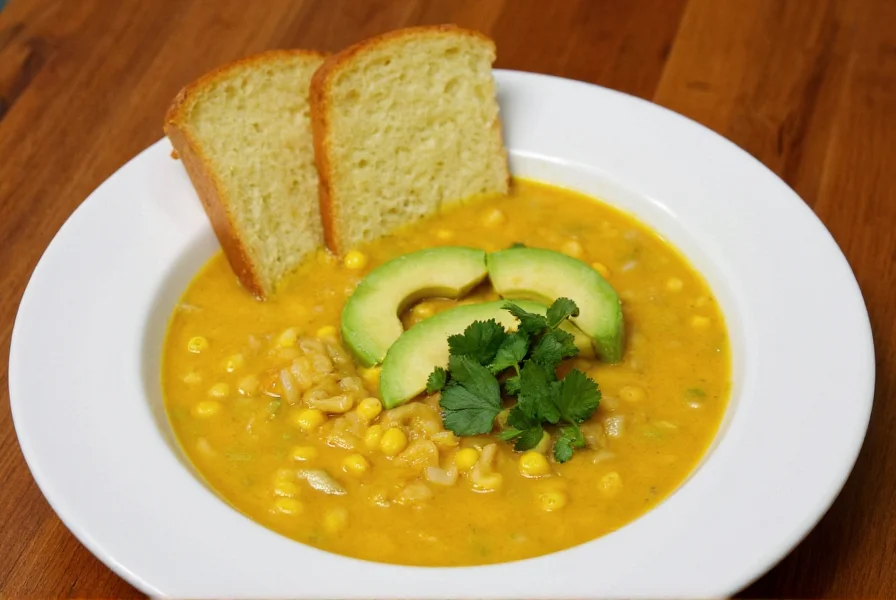
Serve poblano pepper corn chowder hot with complementary sides that enhance its Southwestern character. Crispy cornbread, avocado slices, and a simple green salad create a balanced meal. For healthy poblano pepper corn chowder presentation, garnish with micro cilantro, a drizzle of crema, and toasted pepitas.
Proper poblano pepper corn chowder storage maintains quality for future enjoyment. Cool completely before transferring to airtight containers. Refrigerate for up to 4 days or freeze for up to 3 months. When reheating, do so gently over medium-low heat to prevent separation—especially important for dairy-based versions. Stir occasionally and add small amounts of broth if needed to restore ideal consistency.
Nutritional Benefits and Dietary Adaptations
This easy poblano pepper corn chowder for beginners offers surprising nutritional advantages. Poblano peppers provide vitamin C and capsaicin (associated with metabolic benefits), while corn contributes fiber and B vitamins. For lighter versions, substitute coconut milk for cream or reduce dairy content while maintaining creaminess through blended vegetables.
Gluten-free preparation requires only ensuring your broth is certified gluten-free. Vegan adaptations work beautifully using coconut milk and vegetable broth. The traditional Mexican poblano pepper corn chowder often features simpler ingredient lists, while contemporary American versions incorporate cream for richer texture.
How do I properly roast poblano peppers for chowder?
Char poblano peppers directly over gas flame or under broiler for 8-10 minutes until blackened, rotating frequently. Transfer to sealed container for 10 minutes to steam, then carefully peel off charred skin. This process enhances flavor and makes removal of tough outer skin possible while preserving tender flesh.
Can I make poblano pepper corn chowder without dairy?
Yes, you can create excellent dairy-free poblano pepper corn chowder. Blend half the cooked soup with roasted peppers and corn to create natural creaminess, or substitute coconut milk for heavy cream. Cashew cream made from soaked raw cashews blended with water also provides rich texture without dairy.
How spicy is authentic poblano pepper corn chowder?
Authentic poblano pepper corn chowder is mildly spicy. Poblano peppers range from 1,000-2,000 Scoville units (mild compared to jalapeños at 2,500-8,000). Removing seeds and membranes reduces heat significantly. Most preparations yield a flavorful but approachable soup suitable for most palates, with option to add cayenne for extra heat.
What's the best way to store leftover chowder?
Cool poblano pepper corn chowder completely before transferring to airtight containers. Refrigerate for up to 4 days or freeze for up to 3 months. When reheating, do so gently over medium-low heat to prevent separation, especially for dairy-based versions. Stir occasionally and add small amounts of broth if needed to restore ideal consistency.
Can I use frozen corn instead of fresh in this recipe?
Yes, frozen corn works well in poblano pepper corn chowder. Use 4 cups thawed frozen corn as direct substitute for fresh. While fresh corn offers slightly sweeter flavor during peak season, high-quality frozen corn maintains excellent texture and sweetness year-round, making it perfect for consistent results regardless of season.




 浙公网安备
33010002000092号
浙公网安备
33010002000092号 浙B2-20120091-4