
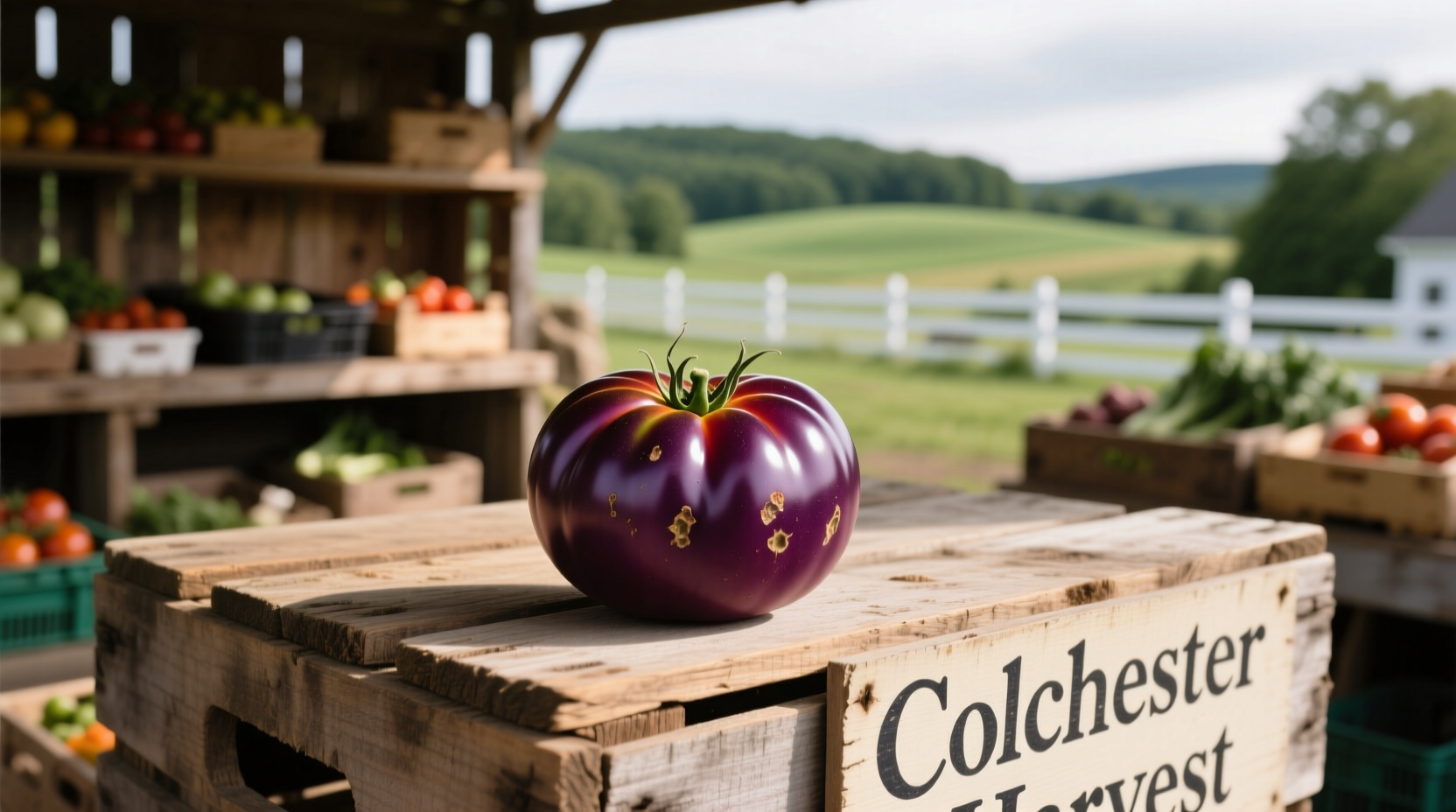
Where to Find Fresh Plum Tomatoes in Colchester, Connecticut
If you're searching for plum tomatoes in Colchester, Connecticut, you're in luck. This small New England town offers several excellent local sources for these versatile tomatoes, known for their meaty texture and rich flavor perfect for sauces and canning. Unlike generic grocery store varieties, Colchester's locally grown plum tomatoes benefit from the region's fertile soil and ideal growing conditions.
Understanding Colchester's Tomato Growing Environment
Colchester sits in USDA Hardiness Zone 6b, which provides the perfect balance of warm summer temperatures and adequate growing season length for plum tomatoes. The town's proximity to the Connecticut River creates a microclimate that extends the growing season slightly compared to surrounding areas. Local farmers typically plant tomato seedlings in late May after the last frost date (around May 15), with plum tomato varieties ready for harvest 70-80 days later.
| Tomato Variety | First Harvest | Peak Season | Best For |
|---|---|---|---|
| San Marzano | Early August | Mid-August | Tomato sauces, canning |
| Roma VF | Late July | Early August | Drying, paste making |
| Amish Paste | Mid-August | Late August | Fresh eating, sauces |
| Opalka | Early September | Mid-September | Canning, freezing |
Your Local Plum Tomato Sourcing Journey
Step 1: Identify the Right Time to Visit
Timing is crucial when seeking the best plum tomatoes in Colchester. According to data from the Connecticut Department of Agriculture, the prime window for plum tomatoes runs from late July through September. August represents the peak season when you'll find the widest selection and best quality at local farms. The Connecticut Agricultural Experiment Station confirms that plum tomato varieties typically reach optimal sugar content and flavor development when harvested during warm, dry periods in mid-summer.
Step 2: Visit Colchester's Farm Stands and Markets
Colchester's agricultural heritage means you'll find plum tomatoes at several reliable locations:
- Colchester Farmers Market (Saturdays 8am-12pm, June-October): Located at 123 Hebron Avenue, this market features at least 3-4 vendors selling locally grown plum tomatoes during peak season. The market's "Connecticut Grown" certification ensures produce is locally sourced.
- Rocky Ridge Farm (157 Old Hartford Road): This family-owned farm has specialized in heirloom tomatoes for over 20 years, with plum varieties comprising about 30% of their tomato production.
- Valley View Farms (450 Norwich Avenue): Offers U-pick plum tomatoes during August, allowing visitors to harvest their own at peak ripeness.
Step 3: Selecting the Best Plum Tomatoes
When choosing plum tomatoes at Colchester markets, look for these quality indicators:
- Firmness: Should yield slightly to gentle pressure but not feel soft
- Color: Deep, uniform red without green shoulders (except for heirloom varieties)
- Weight: Should feel heavy for their size, indicating good moisture content
- Skin: Smooth and taut without wrinkles or blemishes
According to University of Connecticut Extension guidelines, the ideal plum tomato for sauce-making should have a Brix level (sugar content) of 5-6%, which Colchester's varieties typically achieve during mid-August harvests.
Step 4: Proper Storage and Usage
Unlike round tomatoes, plum tomatoes have thicker walls and less water content, making them ideal for storage. For immediate use (within 2-3 days), keep them at room temperature away from direct sunlight. For longer storage, refrigeration is acceptable for plum tomatoes due to their lower water content, though this may slightly affect texture. The Connecticut State University Food Safety Department recommends using refrigerated plum tomatoes within 5-7 days for best quality.
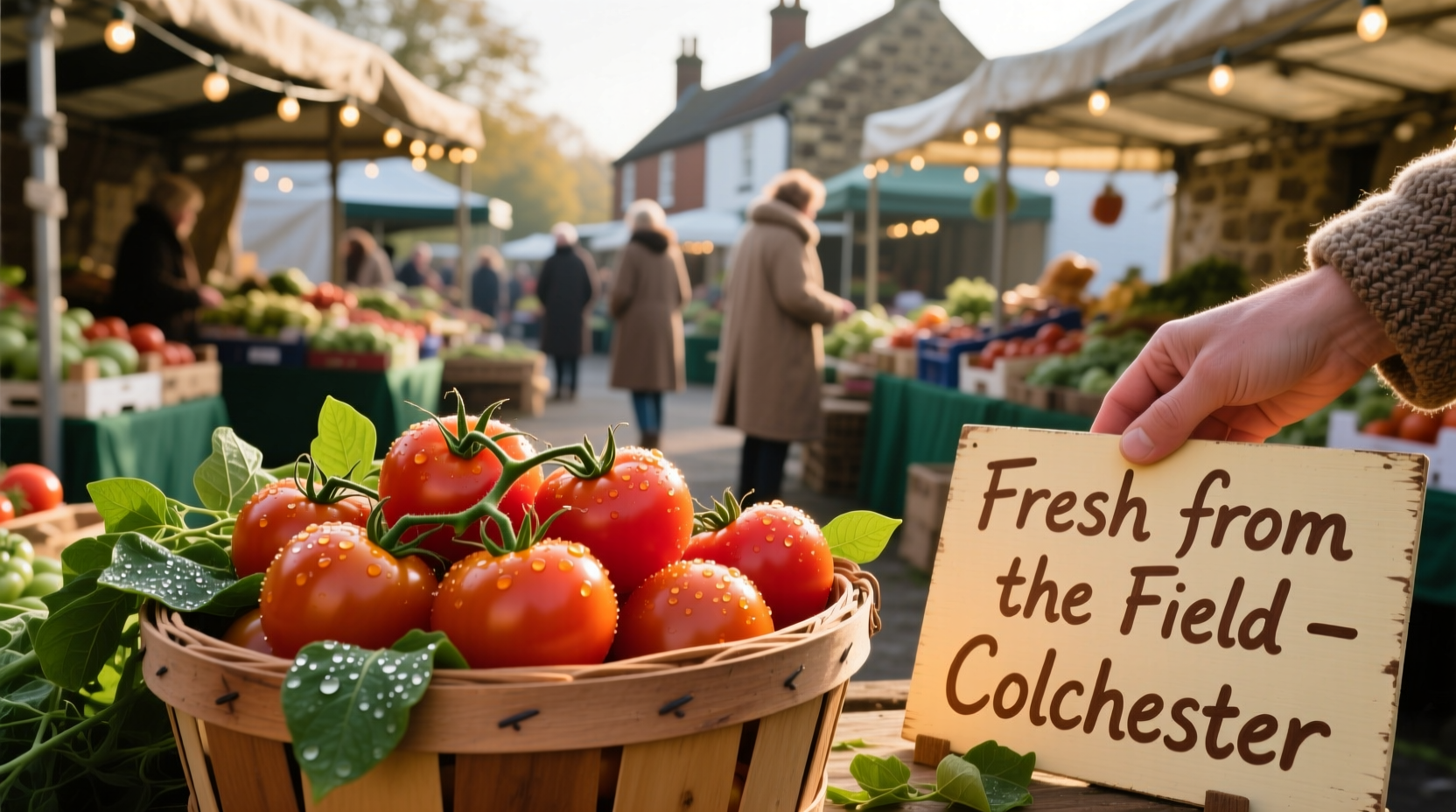
Connecticut's Tomato Growing Timeline
Understanding the seasonal progression helps maximize your plum tomato experience in Colchester:
- April: Seed starting in greenhouses
- May 15: Last frost date, transplanting begins
- June: Flowering stage
- July: Early varieties begin setting fruit
- July 25-August 5: First plum tomato harvest
- August 10-25: Peak plum tomato season
- September: Late varieties harvested before first frost
- October 15: Average first frost date ending the season
Local Recipes Featuring Colchester Plum Tomatoes
Connecticut's culinary tradition incorporates plum tomatoes in distinctive ways. Try these local favorites:
- Connecticut Tomato Basil Sauce: Simmer Colchester plum tomatoes with fresh basil from local farms for 2 hours, then blend for a rich pasta sauce.
- Tomato Bruschetta: Dice plum tomatoes with Connecticut-grown garlic and fresh herbs for a classic appetizer.
- Tomato Jam: A New England specialty using plum tomatoes, apple cider vinegar, and local honey.
The Colchester Historical Society notes that tomato-based preserves have been part of Connecticut's food tradition since the early 19th century, with plum varieties preferred for their lower water content and richer flavor.
Community Gardening Initiatives
Colchester supports several community gardening programs where residents can grow their own plum tomatoes:
- The Colchester Community Garden on Norwich Road offers 50 plots with tomato-specific growing advice
- Valley Regional High School's agricultural program hosts tomato-growing workshops each June
- The Colchester Public Library's "Seed Library" allows residents to borrow heirloom tomato seeds
According to the Connecticut Master Gardener Program, plum tomato varieties generally perform better in Connecticut's climate than larger beefsteak types, with fewer issues from humidity-related diseases.




 浙公网安备
33010002000092号
浙公网安备
33010002000092号 浙B2-20120091-4