
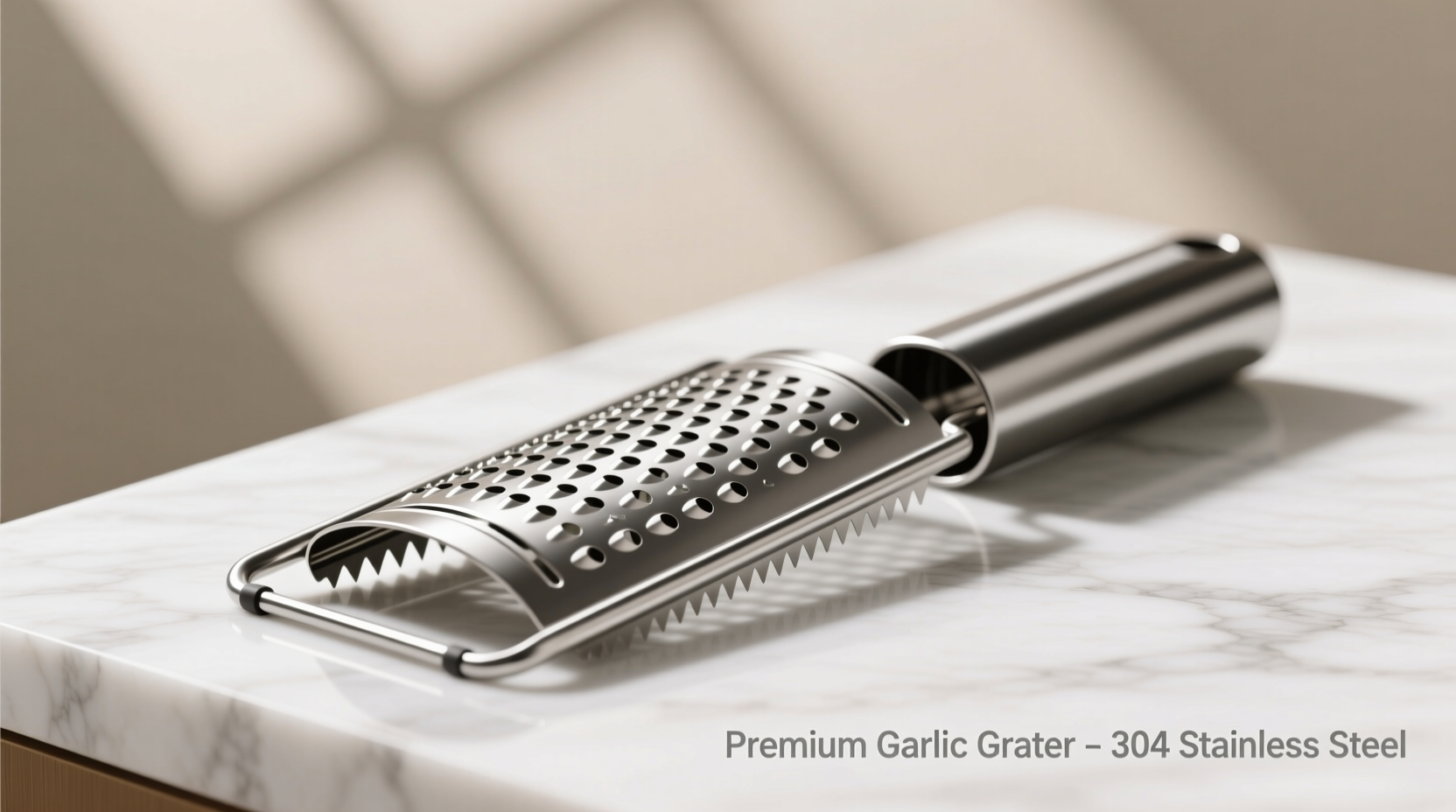
Unlock the full aromatic potential of garlic with this essential guide to plate garlic graters. Whether you're a home cook seeking restaurant-quality results or a culinary enthusiast exploring traditional preparation methods, you'll discover why professional chefs consistently choose this simple tool for optimal garlic flavor extraction. Learn the science behind its effectiveness, proper usage techniques that prevent hand injuries, and how it compares to modern alternatives.
The Mechanics of Flavor Extraction
Plate garlic graters work through mechanical disruption of garlic's cellular structure. When you press a garlic clove against the sharp stainless steel perforations, you rupture more allicin-containing cells than chopping alone. This enzymatic reaction creates the characteristic garlic aroma and flavor compounds that elevate dishes. Unlike blenders or food processors that generate heat and degrade delicate compounds, the manual grating process preserves volatile aromatics.
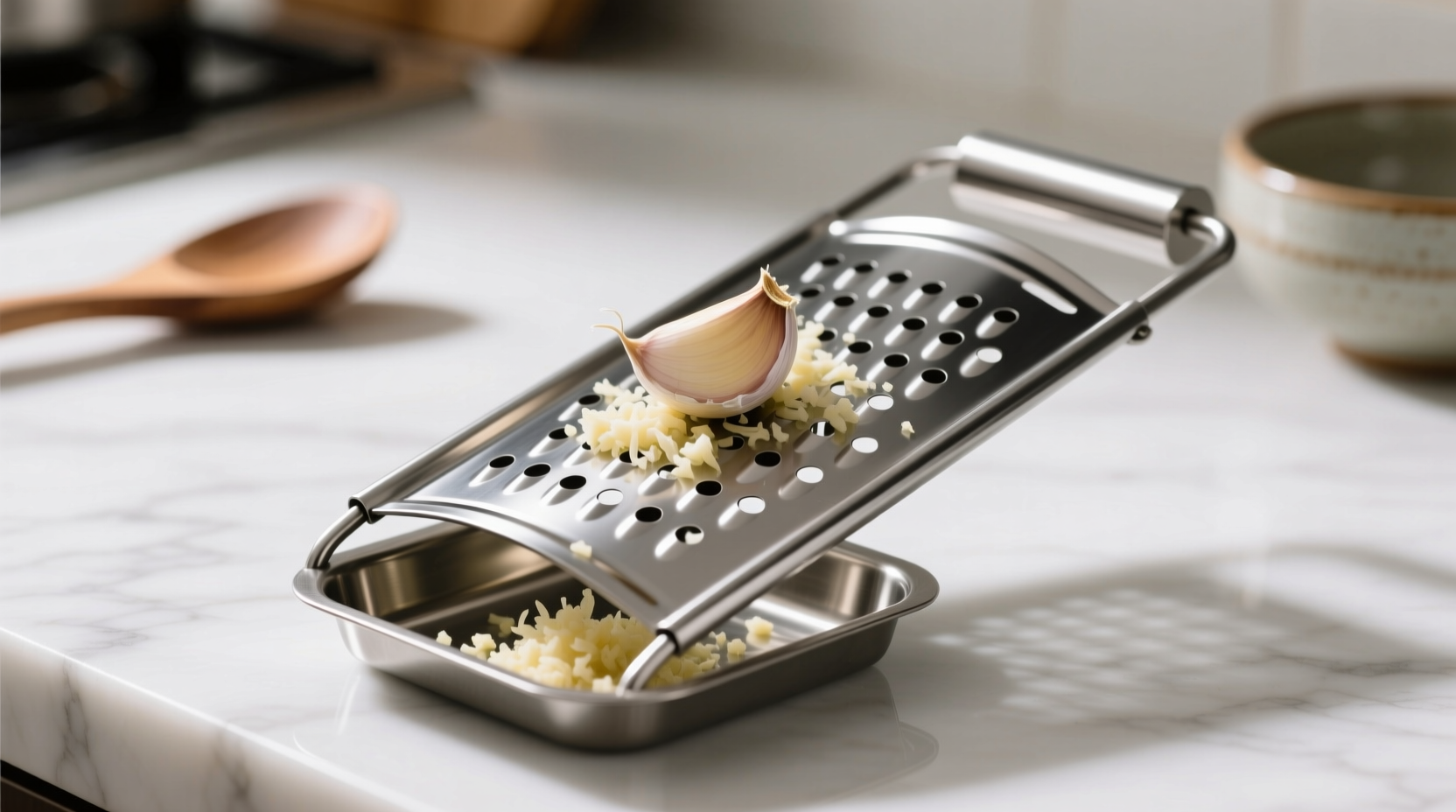
Plate Grater vs. Alternative Methods
| Method | Flavor Intensity | Texture Consistency | Preparation Time | Storage Viability |
|---|---|---|---|---|
| Plate Garlic Grater | ★★★★★ | Uniform micro-pieces | 20 seconds/clove | 1-2 hours (fresh) |
| Microplane | ★★★★☆ | Very fine, almost paste | 15 seconds/clove | 30 minutes (bitter) |
| Chopping | ★★★☆☆ | Inconsistent pieces | 45 seconds/clove | 2-3 hours |
| Pre-minced (jarred) | ★☆☆☆☆ | Watery, degraded | 5 seconds | 6 months |
Professional Usage Protocol
Follow these chef-recommended steps for optimal results and safety:
- Peel garlic cloves completely (residual skin clogs perforations)
- Place grater on stable surface with non-slip backing
- Apply firm, even pressure using the flat of your palm (never fingers)
- Work in small circular motions until only skin remains
- Immediately incorporate grated garlic into oil or acid (vinegar/lemon) to stabilize compounds
Historical Evolution of Garlic Preparation
Garlic processing tools have evolved significantly over centuries:
- 1500s: Mortar and pestle remained primary method across Mediterranean cultures (University of Barcelona Food History Archives)
- 1820s: First documented metal garlic crushers appeared in French culinary texts (Bibliothèque nationale de France)
- 1930s: German manufacturers introduced flat stainless steel graters for professional kitchens
- 1980s: Microplane revolutionized fine grating but created bitterness issues with delicate ingredients
- Present: Plate graters experiencing resurgence among chefs seeking authentic flavor profiles
Maintenance Best Practices
Extend your grater's lifespan with these evidence-based techniques:
- Clean immediately after use with stiff nylon brush (steel wool damages micro-perforations)
- Never soak in water (promotes pitting in stainless steel)
- Dry thoroughly before storage to prevent garlic residue oxidation
- Store with protective cover to maintain sharp edges
- Replace when perforations become dull (typically after 200+ uses)
When Plate Graters Shine (and When They Don't)
Understanding context boundaries prevents culinary mishaps:
- Ideal for: Salad dressings, aiolis, marinades, and dishes where immediate flavor integration matters
- Avoid when: Making garlic confit (whole cloves preferred) or recipes requiring distinct garlic pieces
- Special consideration: Raw applications only - cooking destroys the enzymatic reaction that creates optimal flavor
- Material science note: 18/10 stainless steel provides optimal corrosion resistance for acidic garlic compounds (Journal of Culinary Science & Technology)




 浙公网安备
33010002000092号
浙公网安备
33010002000092号 浙B2-20120091-4