
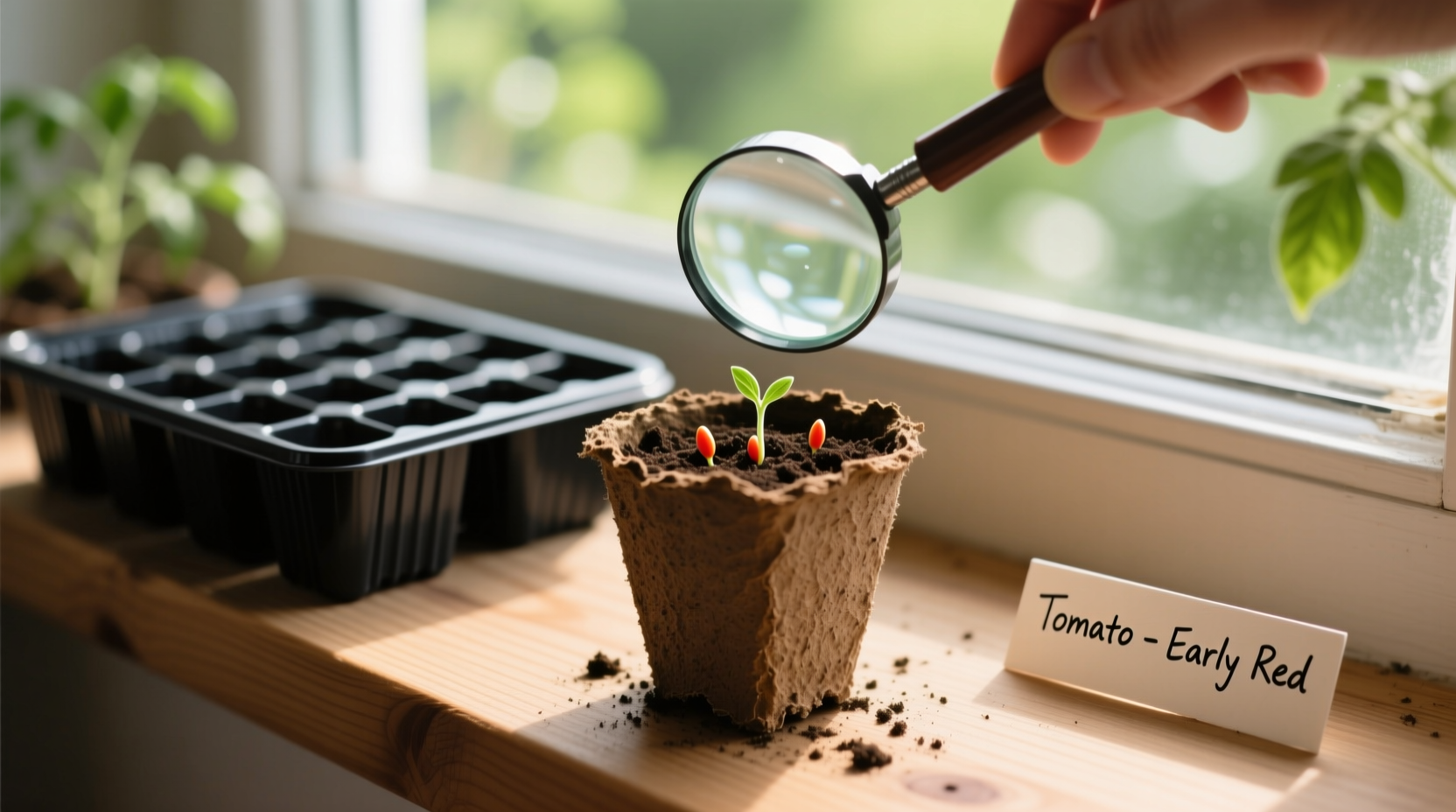
Why Start Tomatoes Indoors: Your Secret to Bigger Harvests
Tomato plants need a long growing season to produce abundant fruit, but most home gardeners don't have enough warm days in their region. Starting seeds indoors extends your growing window significantly. When you plant tomato seeds indoors properly, you'll harvest ripe tomatoes 3-4 weeks earlier than direct-sown plants, with stronger root systems and better disease resistance.
Your Indoor Tomato Seed Starting Timeline
Timing is everything when planting tomato seeds indoors. Start too early and you'll have leggy, root-bound plants; start too late and you'll miss the early harvest window.
| Region | Last Frost Date | Seed Starting Date | Transplant Date |
|---|---|---|---|
| Northern Zones (3-5) | May 15-30 | March 15-April 1 | June 1-15 |
| Middle Zones (6-7) | April 15-May 15 | February 15-March 15 | May 1-15 |
| Southern Zones (8-10) | March 1-April 15 | January 15-February 15 | April 1-15 |
According to the USDA Plant Hardiness Zone Map, these timelines align with regional climate patterns. The University of California Agriculture and Natural Resources confirms that starting seeds 6-8 weeks before your last frost date produces optimal results for tomato seedlings.
Essential Materials Checklist
Don't waste time and seeds with improper equipment. Here's exactly what you need for successful indoor tomato seed starting:
- Quality seed starting mix (not regular potting soil)
- Seed trays or small containers with drainage holes
- Tomato seeds (choose varieties suited to your climate)
- Grow lights or sunny south-facing window
- Heat mat (optional but recommended)
- Plant markers
- Spray bottle for misting
- Fertilizer for seedlings
Step-by-Step Planting Process
Follow these precise steps for maximum germination success:
- Prepare containers: Fill seed trays with moistened seed starting mix, leaving 1/4 inch space at the top
- Plant seeds: Place 2 seeds per cell 1/4 inch deep, cover lightly with mix
- Water gently: Use a spray bottle to moisten the surface without disturbing seeds
- Create greenhouse effect: Cover trays with plastic dome or wrap
- Provide warmth: Place in warm location (70-80°F) - a heat mat improves germination rates by 30%
- Monitor daily: Check for sprouts starting around day 5-7
- Remove cover: Once 50% of seeds have sprouted, remove plastic covering
- Thin seedlings: When first true leaves appear, keep strongest plant per cell
Light and Temperature Requirements
Tomato seedlings need specific conditions to thrive indoors:
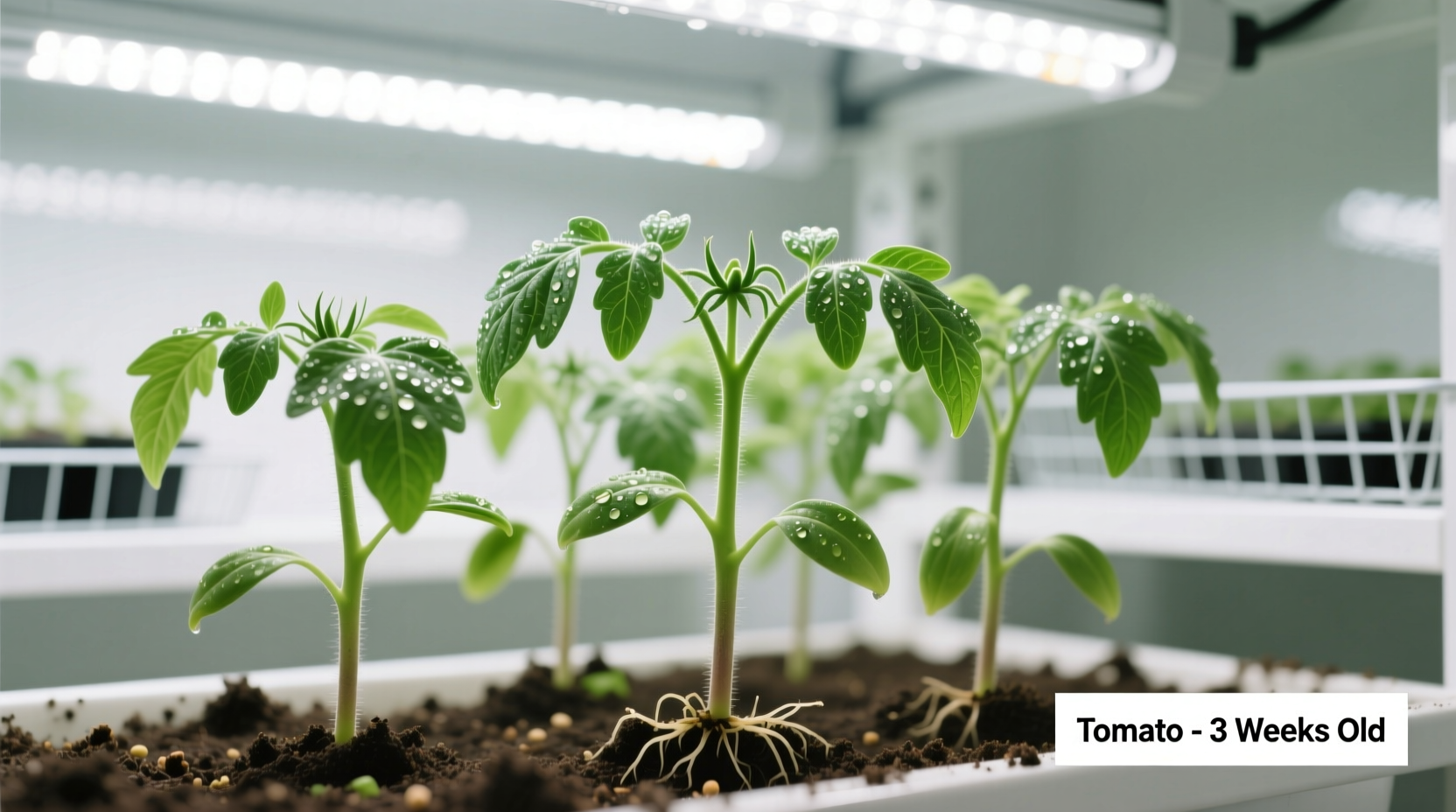
- Light: 14-16 hours daily under grow lights placed 2-3 inches above plants. Rotate trays daily if using a single light source.
- Temperature: Daytime 70-75°F, nighttime 60-65°F. Avoid cold drafts and heating vents.
- Air circulation: Use a small fan on low setting to strengthen stems and prevent disease.
Cornell University Cooperative Extension research shows that insufficient light is the #1 reason for failed indoor tomato seedlings, causing leggy, weak growth that doesn't transition well to outdoor conditions.
Watering and Feeding Guidelines
Proper moisture management prevents damping-off disease and promotes strong root development:
- Water from below by placing trays in shallow water until soil surface darkens
- Allow top 1/4 inch of soil to dry between waterings
- Use room-temperature water to avoid shocking roots
- Begin fertilizing when second set of true leaves appears
- Use half-strength balanced liquid fertilizer weekly
Common Problems and Solutions
Identify and fix these frequent indoor tomato seedling issues:
| Problem | Symptoms | Solution |
|---|---|---|
| Damping-off | Stems collapse at soil line | Improve air circulation, water less frequently, use sterile mix |
| Leggy growth | Tall, thin stems with sparse leaves | Increase light intensity/duration, lower temperature slightly |
| Yellow leaves | Lower leaves turn yellow | Nitrogen deficiency - begin fertilizing with balanced formula |
| Purple stems | Purple discoloration on stems | Phosphorus deficiency - use fertilizer with higher P content |
The Critical Hardening-Off Process
Skip this step and your carefully nurtured seedlings will suffer shock when moved outdoors. The hardening-off process gradually acclimates plants to outdoor conditions over 7-10 days:
- Start with 1-2 hours of morning shade on day 1
- Gradually increase exposure by 1-2 hours daily
- Expose to gentle wind using a fan indoors before moving outside
- Protect from strong winds and intense midday sun initially
- Bring plants indoors if temperatures drop below 45°F
- After 7-10 days, plants should handle full sun and outdoor conditions
According to the National Gardening Association, properly hardened-off tomato seedlings show 40% better survival rates and establish more quickly in garden beds.
When to Transplant Outdoors
Don't rush transplanting! Wait until:
- All danger of frost has passed
- Nighttime temperatures consistently stay above 50°F
- Seedlings have 5-7 true leaves
- Plants are 6-8 inches tall
- You've completed the hardening-off process
Plant tomatoes deeper than they grew in their containers - burying the stem up to the first set of leaves encourages additional root growth along the buried stem, creating a stronger plant.
Advanced Tips for Maximum Success
Take your indoor tomato seed starting to the next level with these professional techniques:
- Seed selection: Choose varieties specifically bred for your climate and growing season length
- Bottom watering: Prevents soil crusting and encourages deeper root growth
- Gentle brushing: Run your hand over seedlings daily to simulate wind and strengthen stems
- Soil temperature: Use a thermometer to ensure consistent warmth for germination
- Root pruning: Gently tease out circling roots before transplanting to prevent girdling
When NOT to Start Tomatoes Indoors
While starting tomatoes indoors works well for most gardeners, there are specific situations where it's not recommended:
- If you lack proper lighting setup (south window only works in ideal conditions)
- When growing determinate varieties in short-season climates (they mature faster)
- If you can't provide consistent temperature control
- When you lack space for proper hardening-off process
- If you're growing in extremely hot climates where early starts lead to mid-summer burnout
University extension services note that gardeners in USDA zones 9-10 often achieve better results with direct sowing or later starts due to their extended warm seasons.
FAQ: Your Tomato Seed Starting Questions Answered
Here are answers to the most common questions about planting tomato seeds indoors:




 浙公网安备
33010002000092号
浙公网安备
33010002000092号 浙B2-20120091-4