
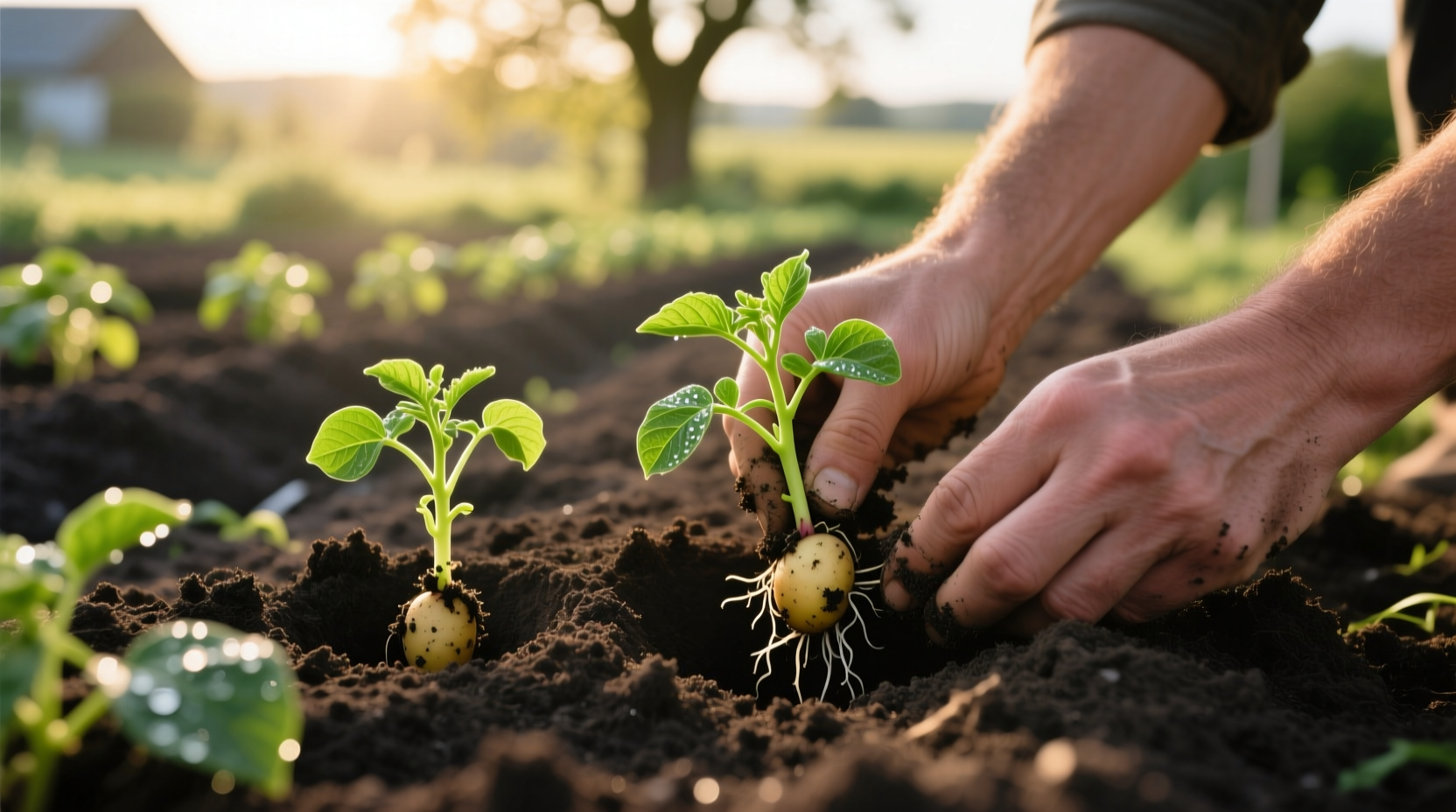
Have you discovered sprouted potatoes in your pantry and wondered if they're still usable? Instead of discarding them, you can transform those sprouted potatoes into a thriving garden crop. Planting potato sprouts is an economical, sustainable way to grow your own food with minimal investment. This guide provides science-backed methods that home gardeners use to achieve successful potato harvests from sprouted tubers.
Understanding Potato Sprouts and Their Growth Potential
Potato sprouts emerge when tubers begin their natural growth cycle, typically triggered by warmth and humidity. These sprouts, also called "chits," contain the energy needed to develop into full potato plants. Contrary to popular belief, sprouted potatoes aren't spoiled—they're simply entering their next growth phase.
According to the Cornell Cooperative Extension, properly handled sprouted potatoes can produce yields comparable to store-bought seed potatoes when planted using appropriate techniques. The key is understanding which sprouted potatoes are viable for planting and which should be composted.
When to Plant Sprouted Potatoes: Timing Is Everything
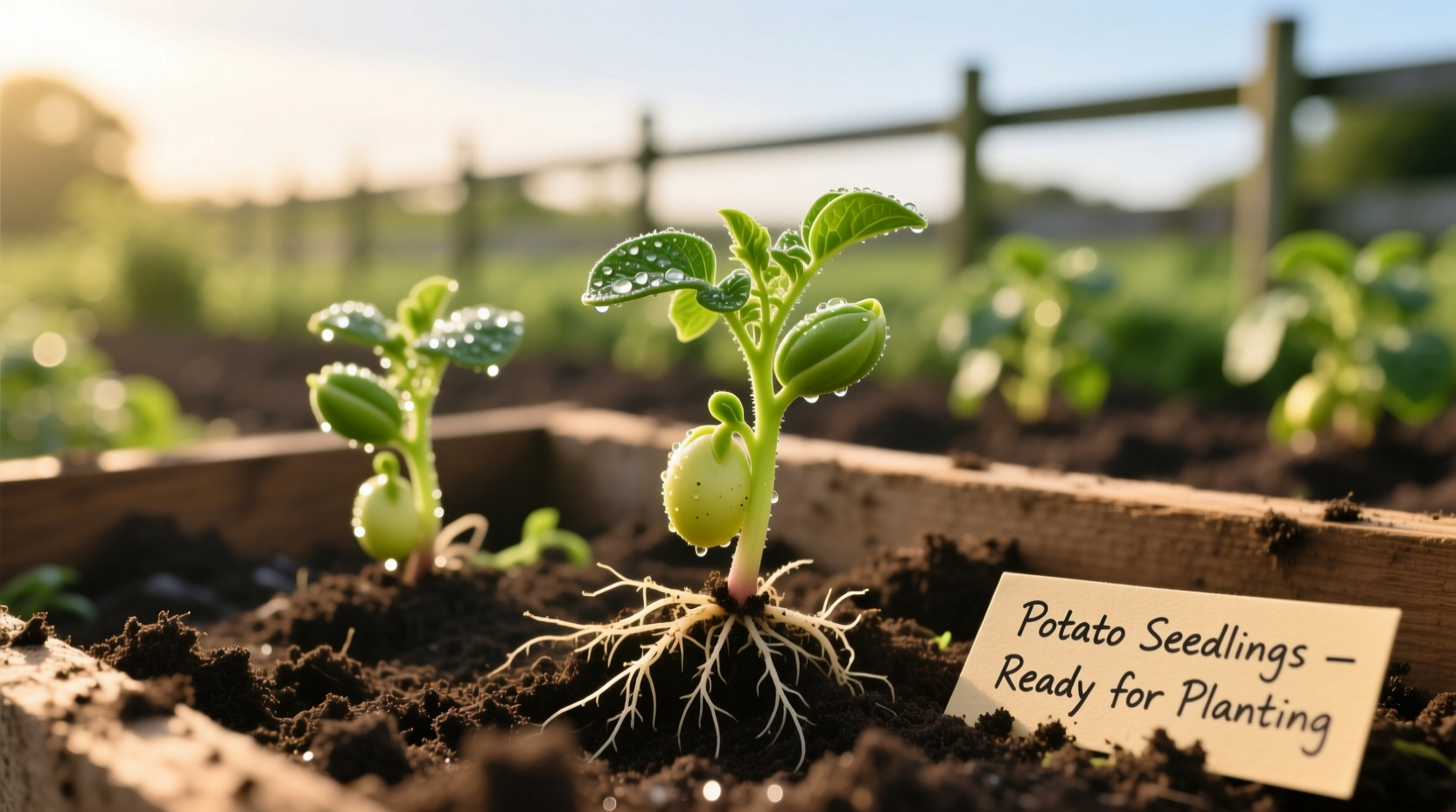
The success of your potato crop depends heavily on planting at the right time. Potatoes are cool-season crops that grow best when soil temperatures reach 45-50°F (7-10°C) at planting depth. Planting too early in cold, wet soil can cause rot, while planting too late exposes plants to summer heat that reduces yields.
| Region | Optimal Planting Window | Soil Temperature Target |
|---|---|---|
| Northern climates | 2-4 weeks before last frost date | 45-50°F (7-10°C) |
| Moderate climates | Early spring | 50°F (10°C) |
| Southern climates | Late fall to early winter | 50-65°F (10-18°C) |
This planting timeline data aligns with recommendations from the USDA Agricultural Research Service, which emphasizes regional adaptation for successful potato cultivation.
Preparing Sprouted Potatoes for Planting: The Chitting Process
"Chitting" refers to the practice of encouraging sprouts to develop before planting. This head start gives your potato plants a growth advantage. Here's how to properly prepare sprouted potatoes:
- Selection: Choose firm potatoes with multiple healthy sprouts. Discard any with soft spots, mold, or excessive greening.
- Orientation: Place potatoes with sprouts facing upward in an egg carton or tray.
- Environment: Keep in a cool (50-60°F/10-15°C), bright location for 2-4 weeks until sprouts reach 1-2 inches.
- Hardening: Gradually expose sprouted potatoes to outdoor conditions for 3-5 days before planting.
Research from the Royal Horticultural Society shows that properly chitted potatoes typically yield 20-30% more than unplanted tubers, with more uniform tuber size.
Step-by-Step Guide to Planting Potato Sprouts
Soil Preparation Essentials
Potatoes thrive in loose, well-draining soil rich in organic matter. Prepare your planting area 1-2 weeks before planting:
- Clear the area of weeds and debris
- Amend soil with 3-4 inches of compost or well-rotted manure
- Ensure soil pH between 5.0-6.5 (potatoes prefer slightly acidic conditions)
- Create raised beds or mounds 8-10 inches high for better drainage
Planting Your Sprouted Potatoes
Follow these precise steps for optimal results when planting sprouted potatoes:
- Cutting (optional): For larger potatoes, cut into pieces with 1-2 eyes each, allowing cut surfaces to dry for 24 hours
- Spacing: Plant pieces 12-15 inches apart in rows 24-36 inches apart
- Depth: Place sprouted potatoes with eyes facing up, 3-4 inches deep in loose soil, 6 inches in heavier soils
- Covering: Gently cover with soil and water thoroughly but avoid saturating
Caring for Your Potato Plants After Planting
Proper care during the growing season determines your final harvest quality. Focus on these critical practices:
Watering Requirements
Consistent moisture is crucial for potato development. Aim for 1-2 inches of water per week, increasing during tuber formation (when plants begin flowering). Water deeply 2-3 times weekly rather than daily shallow watering. Stop watering 2 weeks before harvest to allow skins to harden.
Hilling Technique
"Hilling" involves mounding soil around the base of growing plants to protect developing tubers from sunlight (which causes greening and solanine production). Begin when plants reach 6-8 inches tall:
- Carefully pull soil up around stems, covering all but the top few leaves
- Repeat every 2-3 weeks as plants grow
- Maintain hills 6-8 inches high throughout the growing season
Harvesting Your Homegrown Potatoes
Timing your harvest correctly ensures the best flavor and storage potential:
- New potatoes: Harvest 7-8 weeks after planting when plants flower (small, tender potatoes with thin skins)
- Main crop: Wait until foliage yellows and dies back (usually 90-120 days after planting)
- Digging technique: Use a garden fork, inserting it 8-10 inches from the stem to avoid piercing tubers
- Curing: Allow harvested potatoes to dry in a cool, dark, well-ventilated area for 2 weeks before storage
Common Mistakes to Avoid When Planting Potato Sprouts
Even experienced gardeners make these preventable errors when planting sprouted potatoes:
- Planting too deep: Exceeding 6 inches depth delays emergence and reduces yields
- Ignoring soil pH: Potatoes in alkaline soil are more susceptible to scab disease
- Overwatering early: Saturated soil causes rot before plants establish
- Skipping hilling: Results in green, inedible tubers exposed to sunlight
- Harvesting too early: Immature potatoes have thin skins that don't store well
The University of Minnesota Extension reports that proper hilling technique alone can reduce crop loss from sun exposure by up to 40%.
When NOT to Plant Sprouted Potatoes
While many sprouted potatoes can be planted, certain conditions make them unsuitable:
- Excessive greening: Potatoes with significant green areas contain solanine, a toxic compound
- Soft or mushy texture: Indicates advanced decay that won't recover
- Mold presence: White, green, or black mold signals advanced decomposition
- Extreme sprout length: Sprouts longer than 4 inches become fragile and break easily
When in doubt about a potato's viability, compost it rather than risking disease transmission to your garden.
Frequently Asked Questions
Can you plant potatoes that have already sprouted?
Yes, sprouted potatoes make excellent planting material. The sprouts ("chits") contain the energy needed to develop into full plants. For best results, allow sprouts to reach 1-2 inches in length before planting, with multiple healthy sprouts per tuber. Discard any sprouted potatoes showing signs of decay or excessive greening.
How deep should I plant sprouted potatoes?
Plant sprouted potatoes 3-4 inches deep in loose, well-draining soil, or 6 inches deep in heavier clay soils. The ideal depth ensures proper root development while protecting developing tubers from sunlight. Always position the potato with sprouts facing upward and cover with soil, watering thoroughly after planting.
How long does it take to grow potatoes from sprouted potatoes?
From planting sprouted potatoes to harvest typically takes 70-120 days, depending on variety. "New" potatoes can be harvested 7-8 weeks after planting when plants begin flowering. Main crop potatoes require 90-120 days until the foliage yellows and dies back, indicating maturity. Cooler climates may extend these timelines by 1-2 weeks.
Do I need to cut sprouted potatoes before planting?
Cutting sprouted potatoes is optional but beneficial for larger tubers. If cutting, ensure each piece has 1-2 healthy sprouts and allow cut surfaces to dry for 24 hours before planting. Small potatoes (under 2 inches) should be planted whole. Cutting helps maximize your harvest from limited planting material but increases risk of rot if conditions are too wet.
Can you plant supermarket potatoes that have sprouted?
Yes, you can plant sprouted supermarket potatoes, though yields may be lower than with certified seed potatoes. Many commercial potatoes are treated with sprout inhibitors, which can delay growth. Choose organic supermarket potatoes when possible, as they're less likely to have these treatments. For best results, use potatoes that have developed multiple healthy sprouts through the chitting process.




 浙公网安备
33010002000092号
浙公网安备
33010002000092号 浙B2-20120091-4