
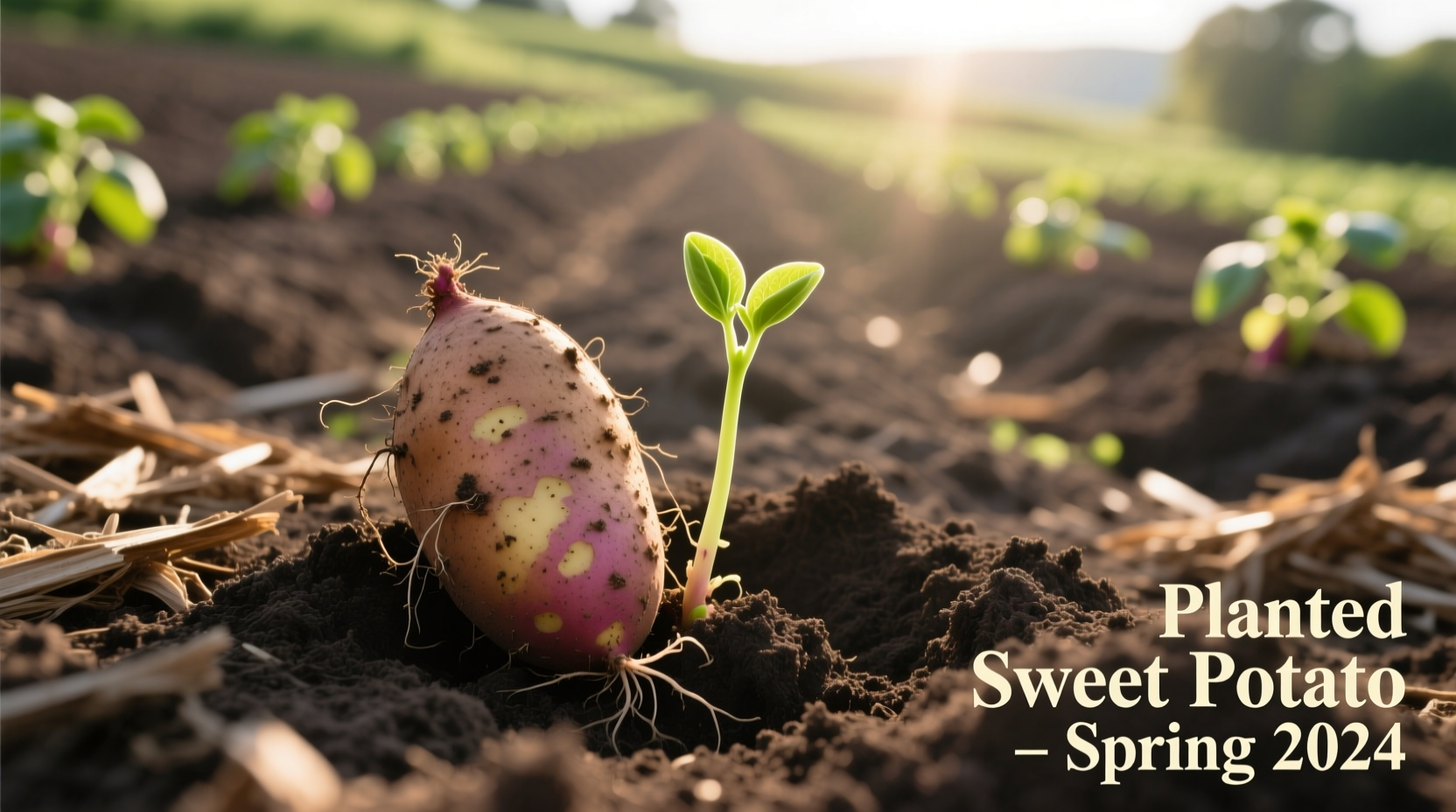
Mastering Sweet Potato Planting: Your Complete Growing Guide
Planting sweet potatoes successfully requires understanding their unique tropical origins and growth requirements. Unlike regular potatoes, sweet potatoes grow from "slips" rather than seed potatoes and need specific conditions to thrive. This comprehensive guide delivers science-backed planting techniques verified by agricultural research institutions to help you achieve maximum yields while avoiding common cultivation mistakes that reduce harvest quality.
Understanding Sweet Potato Growth Requirements
Sweet potatoes (Ipomoea batatas) originated in Central and South America and require warm temperatures throughout their growing season. They won't tolerate frost and grow best when daytime temperatures stay between 75°-95°F with warm nights. The ideal soil temperature for planting is 65°F or higher—colder soils will stunt growth and increase disease susceptibility.
Unlike many vegetables, sweet potatoes actually grow poorer in overly rich soil. Excessive nitrogen promotes leafy growth at the expense of tuber development. They prefer slightly acidic soil (pH 5.8-6.2) that's loose and well-drained. Heavy clay soils produce misshapen tubers, while sandy soils may require more frequent watering.
Planning Your Sweet Potato Planting Timeline
Timing your planting correctly is critical for a successful sweet potato harvest. These warm-season crops need 90-170 frost-free days to mature, depending on the variety. Planting too early in cold soil causes poor root development, while planting too late may not allow enough time for tubers to mature before fall temperatures drop.
| Growth Stage | Timeframe | Critical Requirements |
|---|---|---|
| Slip Development | 3-6 weeks before planting | 70°-80°F temperature, moist but not wet conditions |
| Planting | 3-4 weeks after last frost | Soil temperature ≥65°F, no risk of frost |
| Tuber Initiation | 4-6 weeks after planting | Consistent moisture, warm soil temperatures |
| Tuber Bulking | 6-10 weeks after planting | Adequate water, warm temperatures |
| Maturation | 90-170 days after planting | Dry conditions before harvest |
Selecting and Preparing Sweet Potato Slips
Unlike regular potatoes that grow from "seed potatoes," sweet potatoes grow from "slips" – rooted sprouts that develop from mature sweet potatoes. You can purchase slips from reputable nurseries or create your own by placing healthy sweet potatoes in water or moist sand.
When selecting varieties, consider your climate and growing season length:
| Variety | Days to Maturity | Best For | Key Characteristics |
|---|---|---|---|
| 'Beauregard' | 90-100 | Shorter seasons | Orange flesh, high yield, disease resistant |
| 'Georgia Jet' | 90-100 | Cooler climates | Red skin, orange flesh, fast growing |
| 'O'Henry' | 100-110 | Longer seasons | Cream flesh, moist texture, excellent storage |
| 'Stokes Purple' | 110-120 | Specialty markets | Purple flesh, high antioxidants, longer season |
According to the University of Georgia Cooperative Extension, proper slip preparation significantly impacts final yield. Start slips 4-6 weeks before your planned planting date by placing healthy sweet potatoes in a warm location (75°-80°F) with the bottom third submerged in water or covered with moist sand. Once slips reach 6-9 inches with several leaves, gently twist them from the parent potato and place in water for 1-2 days to develop roots before planting.
Proper Planting Techniques for Maximum Yield
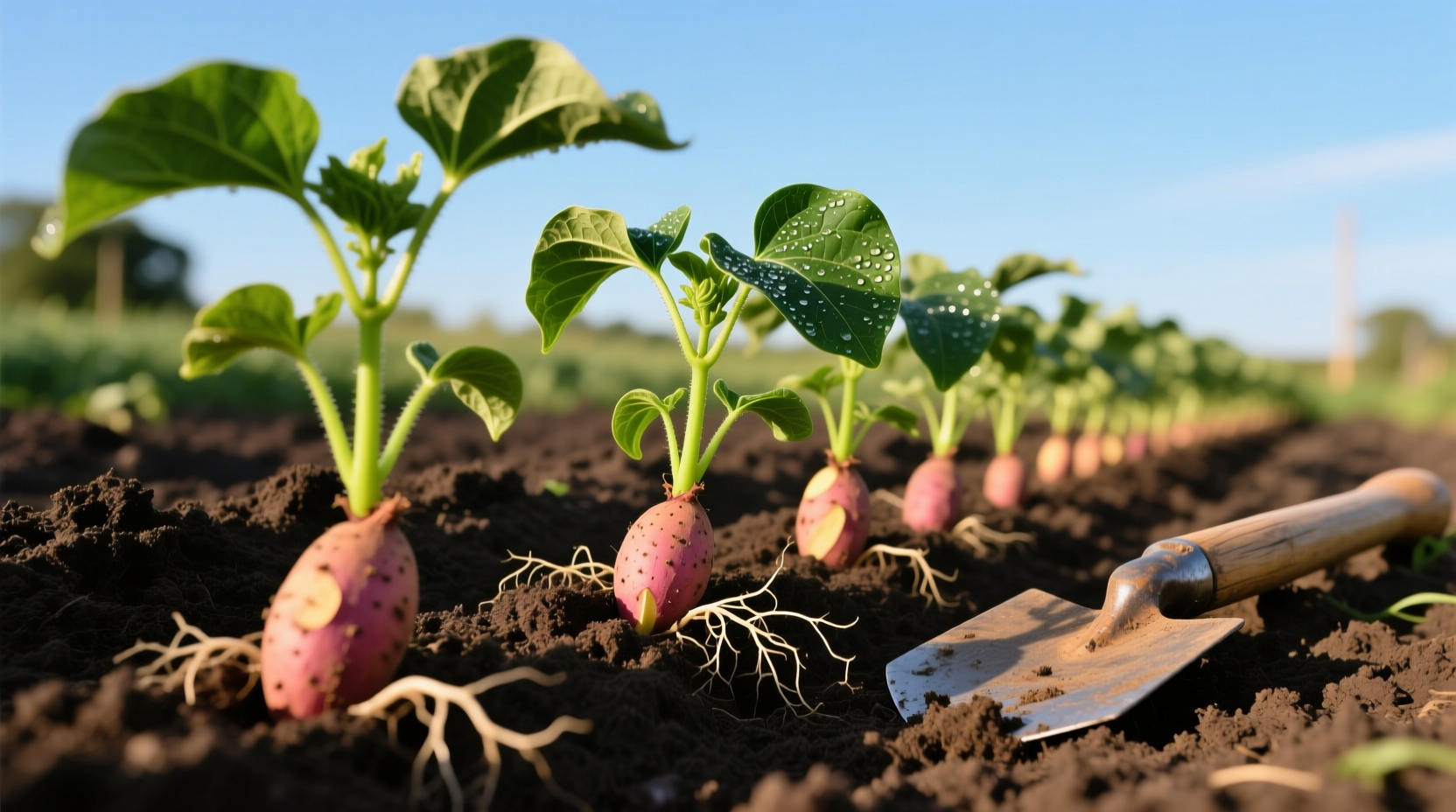
Planting sweet potatoes correctly establishes the foundation for a successful harvest. The planting technique differs significantly from regular potatoes:
- Timing: Plant slips 3-4 weeks after your last spring frost date when soil temperatures reach at least 65°F. Use a soil thermometer to verify—don't guess.
- Spacing: Space plants 12-18 inches apart in rows 3-4 feet apart. Closer spacing produces smaller tubers; wider spacing yields larger ones.
- Planting depth: Dig holes deep enough to cover the roots and the bottom 2-3 inches of the stem, leaving the top third of the slip exposed. Burying too deeply increases rot risk.
- Soil preparation: Create raised mounds or ridges 8-10 inches high to improve drainage and soil warming. Sweet potatoes grow best in loose soil that allows tubers to expand freely.
The USDA Natural Resources Conservation Service recommends avoiding nitrogen-rich fertilizers at planting time, as excessive nitrogen promotes vine growth at the expense of tuber development. Instead, incorporate balanced organic matter like composted leaves or well-rotted manure into your planting beds.
Essential Care During the Growing Season
Sweet potatoes require consistent care throughout their growing season to maximize yield and quality:
Watering requirements: Provide 1 inch of water per week during dry periods, especially during the first 20-40 days after planting when roots are establishing. Reduce watering 3-4 weeks before harvest to improve storage quality. Overwatering during tuber formation causes cracked or misshapen roots.
Weed management: Keep beds weed-free for the first 5-6 weeks using shallow cultivation to avoid damaging developing roots. After vines cover the ground, weeds become less problematic.
Pest and disease monitoring: Watch for common issues like sweet potato weevils (most serious pest), wireworms, and fungal diseases. The Oregon State University Extension reports that crop rotation is the most effective prevention method for many sweet potato diseases. Avoid planting in the same location more than once every 3-4 years.
Harvesting and Curing for Long-Term Storage
Knowing when and how to harvest sweet potatoes significantly impacts both flavor and storage life. Unlike regular potatoes, sweet potatoes require a curing process after harvest:
- Harvest timing: Harvest before soil temperatures drop below 50°F, typically when leaves begin yellowing (about 90-170 days after planting depending on variety). Use a digging fork to carefully lift tubers without bruising.
- Curing process: Cure immediately after harvest at 85°-95°F with 85-90% humidity for 5-10 days. This process heals wounds, converts starches to sugars, and dramatically improves flavor and storage life.
- Storage conditions: After curing, store at 55°-60°F with 75-80% humidity. Properly cured sweet potatoes can store for 5-6 months under ideal conditions.
According to research from the Cornell University College of Agriculture and Life Sciences, skipping the curing process reduces storage life by up to 75% and results in inferior flavor development. Never refrigerate sweet potatoes, as cold temperatures cause chilling injury that affects both texture and taste.
Troubleshooting Common Sweet Potato Problems
Even with proper planting techniques, gardeners sometimes encounter issues. Here are solutions to the most frequent problems:
- Poor yields: Usually caused by planting too early in cold soil, excessive nitrogen, or harvesting too soon. Ensure soil temperatures are at least 65°F before planting and avoid high-nitrogen fertilizers.
- Cracked or misshapen tubers: Typically results from inconsistent watering during tuber formation or heavy clay soil. Maintain consistent moisture and grow in loose, well-drained soil.
- Soft, watery texture after cooking: Indicates improper curing. Always cure sweet potatoes at warm temperatures with high humidity for 5-10 days after harvest.
- Vines growing but no tubers: Usually caused by excessive nitrogen fertilizer. Use balanced fertilizer with higher potassium content to promote tuber development.
For gardeners in cooler climates, consider using black plastic mulch to warm the soil before planting. The University of Minnesota Extension reports this technique can advance planting dates by 2-3 weeks and increase yields by up to 40% in northern regions.




 浙公网安备
33010002000092号
浙公网安备
33010002000092号 浙B2-20120091-4