
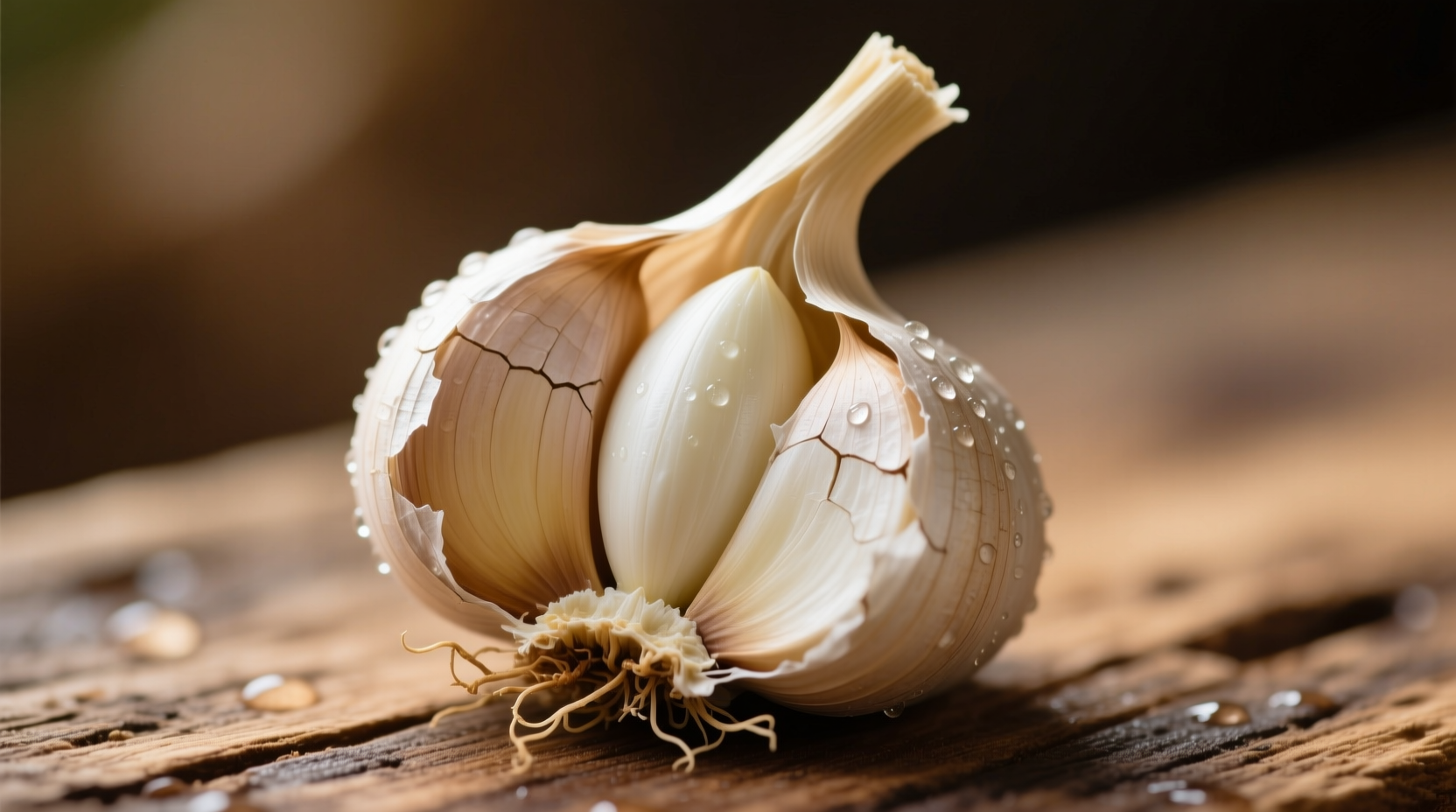
Planting garlic bulbs correctly requires selecting quality cloves, planting them 2-4 inches deep with the pointed end up, spacing them 4-6 inches apart in well-draining soil with pH 6.0-7.0, and timing your planting for fall (4-8 weeks before first frost) in most climates for optimal bulb development.
Why Proper Garlic Bulb Planting Matters
Getting garlic planting right transforms a simple bulb into a robust harvest of flavorful cloves. Many gardeners make critical mistakes with grocery store garlic or incorrect planting depth that severely limit yield. When you plant garlic bulbs properly, you'll harvest larger, more flavorful bulbs with better storage potential—typically 8-9 months after fall planting.
Planning Your Garlic Planting Timeline
The timing of planting garlic bulbs determines your entire harvest success. Unlike most vegetables, garlic requires a cold period to trigger proper bulb formation—a process called vernalization. This biological requirement means fall planting generally outperforms spring planting in most regions.
| Planting Time | Best For | Expected Harvest | Yield Comparison |
|---|---|---|---|
| Fall (4-8 weeks before first frost) | Most climates, especially temperate zones | Mid-summer following year | 30-50% larger bulbs |
| Early Spring | Extreme northern climates, container gardening | Late summer | Smaller single-clove bulbs |
According to research from the University of Minnesota Extension, garlic requires 4-8 weeks of temperatures below 40°F (4°C) to initiate proper bulb formation. This cold period triggers the physiological changes needed for clove development.
Selecting Quality Garlic Bulbs for Planting
Not all garlic makes good planting stock. Grocery store garlic often contains sprout inhibitors and may not be adapted to your climate. For best results when you plant garlic bulbs:
- Choose seed garlic from reputable growers specializing in your climate zone
- Hardneck varieties perform better in colder climates (USDA zones 1-6)
- Softneck varieties thrive in warmer regions (zones 7-10)
- Inspect bulbs for firmness, plump cloves, and absence of mold
| Garlic Type | Climate Suitability | Flavor Profile | Storage Life |
|---|---|---|---|
| Hardneck (Rocambole, Porcelain) | Colder climates (zones 1-6) | Complex, robust, often hotter | 5-8 months |
| Softneck (Silverskin, Artichoke) | Warmer climates (zones 7-10) | Milder, more consistent | 9-12 months |
Preparing Soil for Garlic Bulb Planting
Garlic demands excellent drainage to prevent bulb rot. Prepare your planting area 2-3 weeks before planting date:
- Test soil pH (ideal range: 6.0-7.0) using a home testing kit
- Amend heavy clay soils with 3-4 inches of compost and coarse sand
- Add 2-3 inches of well-rotted manure or compost to improve fertility
- Work amendments into the top 8-12 inches of soil
- Create raised beds (6-8 inches high) in areas with poor drainage
The Oregon State University Extension Service recommends incorporating phosphorus-rich amendments like bone meal (1 lb per 100 sq ft) at planting time to support root development.
Step-by-Step Garlic Bulb Planting Process
Follow these precise steps when planting garlic bulbs for maximum yield:
Step 1: Separate Cloves Carefully
Gently break apart your garlic bulb into individual cloves 1-2 days before planting. Keep the papery husk intact on each clove—this protects against moisture loss and disease. Discard any small, damaged, or moldy cloves.
Step 2: Determine Planting Depth and Spacing
Planting depth directly affects bulb size and winter survival:
- Plant cloves 2-4 inches deep (measure from base of clove to soil surface)
- Space cloves 4-6 inches apart within rows
- Allow 12-18 inches between rows for adequate air circulation
Step 3: Position Cloves Correctly
Place each clove in the soil with the pointed end facing upward and the flat root end downward. Planting cloves upside down significantly reduces yield as the plant wastes energy reorienting itself.
Step 4: Cover and Mulch
Cover cloves with soil and apply 3-6 inches of organic mulch (straw, shredded leaves, or compost). Mulching serves multiple critical functions:
- Insulates soil against extreme temperature fluctuations
- Prevents frost heaving in freezing climates
- Suppresses competing weed growth
- Retains consistent soil moisture
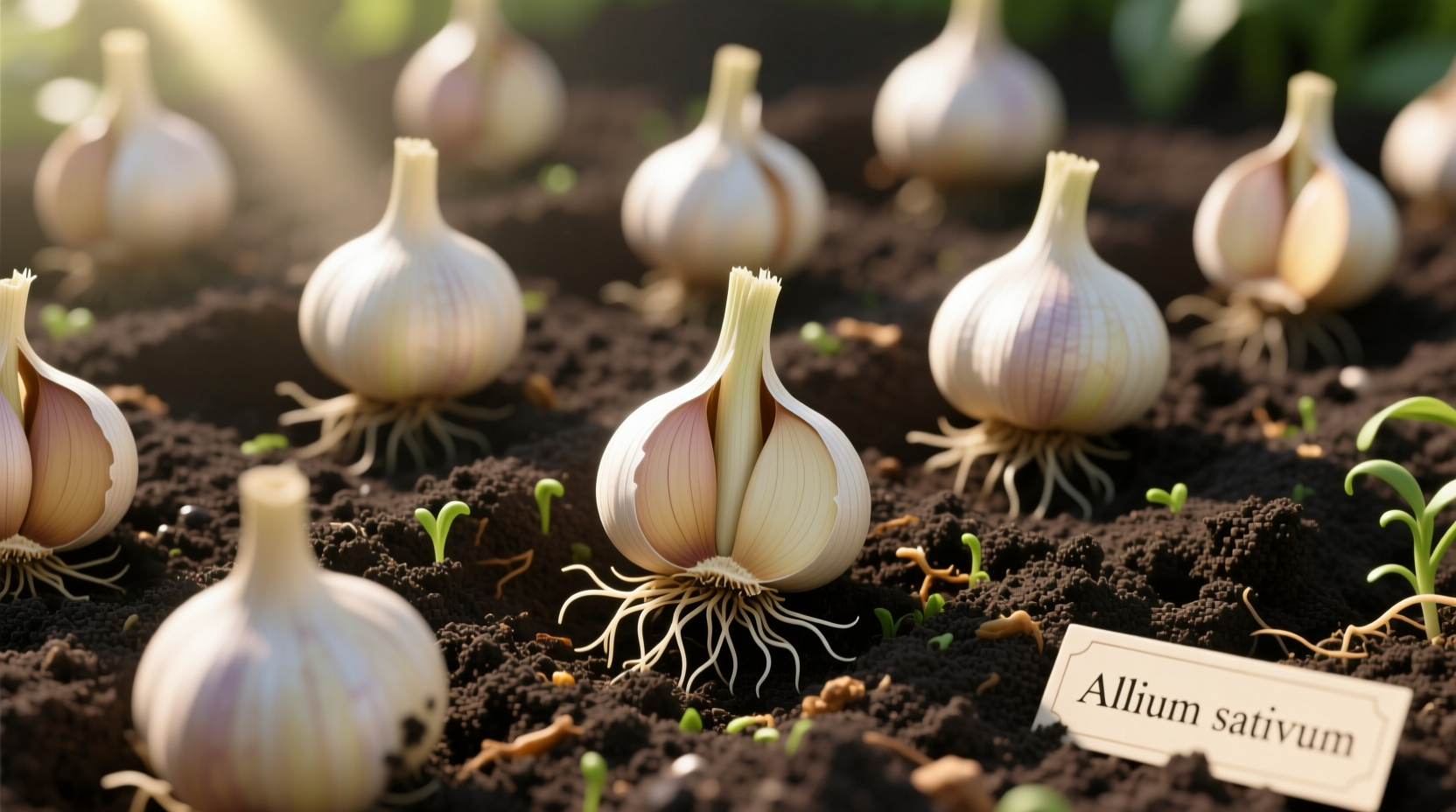
Post-Planting Garlic Care Schedule
Proper care after planting garlic bulbs ensures healthy development through each growth phase:
| Season | Key Activities | Critical Considerations |
|---|---|---|
| Fall (after planting) | Apply mulch, monitor moisture | Water only if rainfall <1"/week; avoid saturation |
| Winter | Monitor mulch coverage | Replenish mulch if blown away; don't disturb soil |
| Early Spring | Remove mulch gradually, fertilize | Apply nitrogen-rich fertilizer as shoots emerge |
| Late Spring | Scrape soil from bulb neck, monitor scapes | Remove scapes on hardneck varieties to redirect energy |
| Early Summer | Reduce watering, monitor harvest readiness | Stop watering when lower leaves yellow |
Common Garlic Planting Mistakes to Avoid
Even experienced gardeners make these critical errors when planting garlic bulbs:
- Using grocery store garlic: Often treated with sprout inhibitors and may carry diseases
- Planting too shallow: Leads to poor winter survival and smaller bulbs
- Planting too deep: Delays emergence and reduces bulb size
- Ignoring soil pH: Garlic struggles in highly acidic or alkaline conditions
- Overwatering in cold months: Causes bulb rot in saturated soil
Troubleshooting Garlic Growth Problems
Address these common issues promptly when growing garlic from planted bulbs:
Yellowing Leaves
Early yellowing often indicates nitrogen deficiency. Side-dress with blood meal (1/2 cup per 10 row feet) in early spring. If yellowing occurs in summer, it may signal natural senescence as harvest approaches.
Stunted Growth
Check for compacted soil, poor drainage, or nematode infestation. The Oregon State University Extension notes that white rot (a soil-borne fungus) causes stunted growth and yellowing—rotate crops and avoid replanting in affected areas for 3-4 years.
Poor Bulb Development
If your planted garlic bulbs produce only single-cloves or tiny bulbs, you likely didn't provide adequate cold exposure. Ensure your garlic receives 4-8 weeks below 40°F (4°C) for proper bulb formation.
Harvesting and Storing Your Garlic
Harvest when the lower third of leaves turn brown but upper leaves remain green (typically June-July in northern climates). Carefully dig bulbs with a garden fork, avoiding damage. Cure in a warm, dry, shaded area with good air circulation for 2-3 weeks before trimming roots and storing.
Store cured garlic at 55-65°F with 50-60% humidity. Hardneck varieties typically store 5-8 months while softnecks last 9-12 months under proper conditions.




 浙公网安备
33010002000092号
浙公网安备
33010002000092号 浙B2-20120091-4