
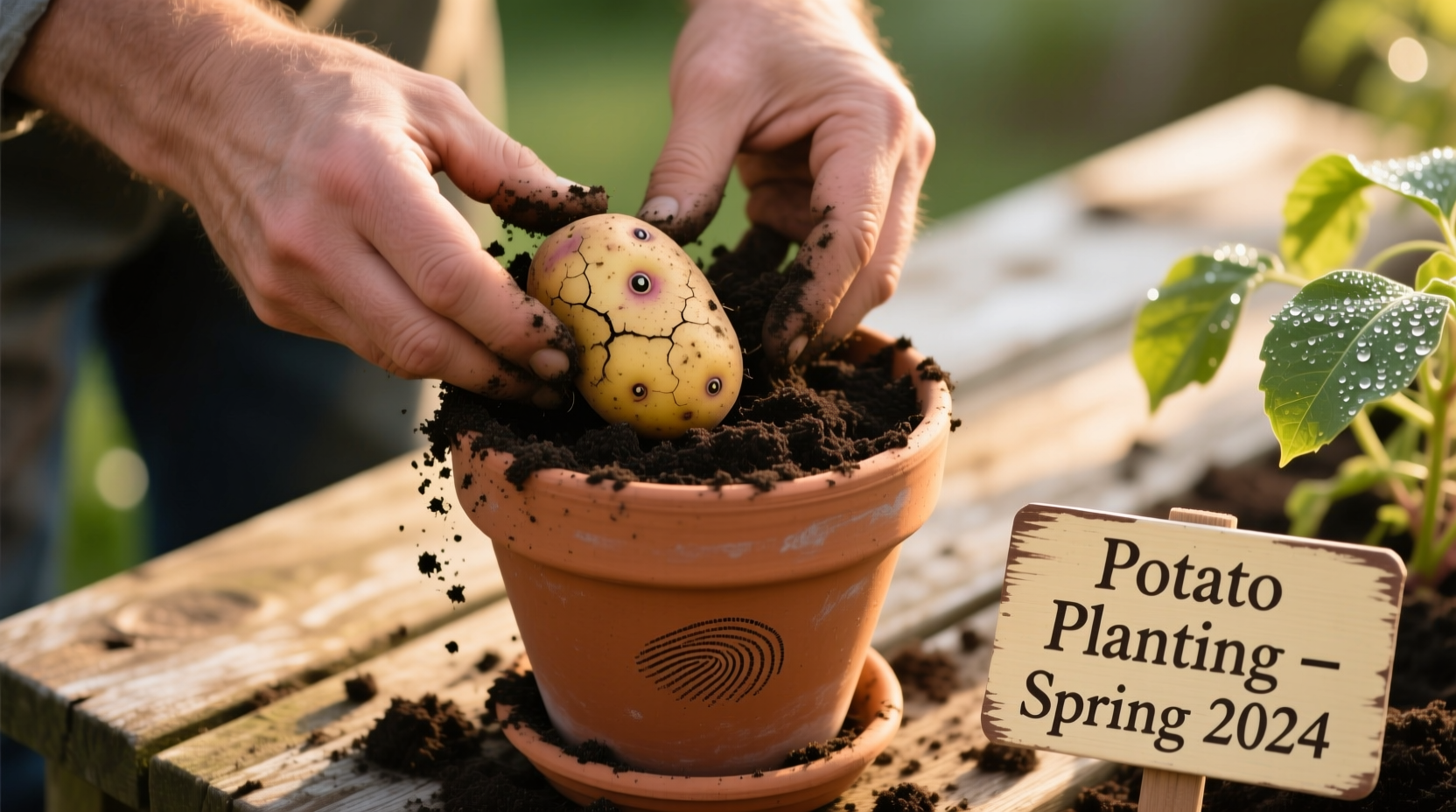
Discover how to successfully grow your own potatoes in containers—even with limited space. This complete guide delivers proven techniques used by urban gardeners worldwide to harvest fresh potatoes from pots on patios, balconies, or small yards. You'll learn exactly which potato varieties thrive in containers, the perfect soil mix ratios, and critical watering schedules that prevent common failures.
Selecting the Right Potato Varieties for Container Growing
Not all potatoes perform equally in containers. Early-season varieties typically yield best in pots due to their shorter growing period and compact growth habit. Choose disease-resistant cultivars specifically bred for container gardening:
- Yukon Gold - Reliable producer with buttery yellow flesh
- Red Norland - Excellent for new potatoes with smooth red skin
- French Fingerling - Unique shape perfect for small spaces
- All Blue - Attractive purple flesh with good container performance
Avoid grocery store potatoes labeled "treated"—these often contain sprout inhibitors. Instead, purchase certified disease-free seed potatoes from reputable garden suppliers. The USDA Agricultural Research Service confirms that certified seed potatoes reduce disease transmission by 85% compared to supermarket alternatives (USDA ARS).
Container Selection: Size Matters Most
Your container choice directly impacts harvest size. Research from Cornell University's College of Agriculture shows minimum container volumes correlate strongly with potato yield:
| Container Size | Minimum Volume | Potatoes Per Container | Expected Yield |
|---|---|---|---|
| Small pots | 2-3 gallons | 1 potato | 0.5-1 lb |
| Standard containers | 5+ gallons | 1-2 potatoes | 2-5 lbs |
| Large grow bags | 10+ gallons | 2-3 potatoes | 5-10 lbs |
Drainage is non-negotiable—ensure your container has at least 4 one-inch drainage holes. Fabric grow bags outperform plastic containers by preventing waterlogging and promoting air pruning of roots. The University of Minnesota Extension confirms fabric containers reduce root rot incidence by 40% compared to traditional pots (UMN Extension).
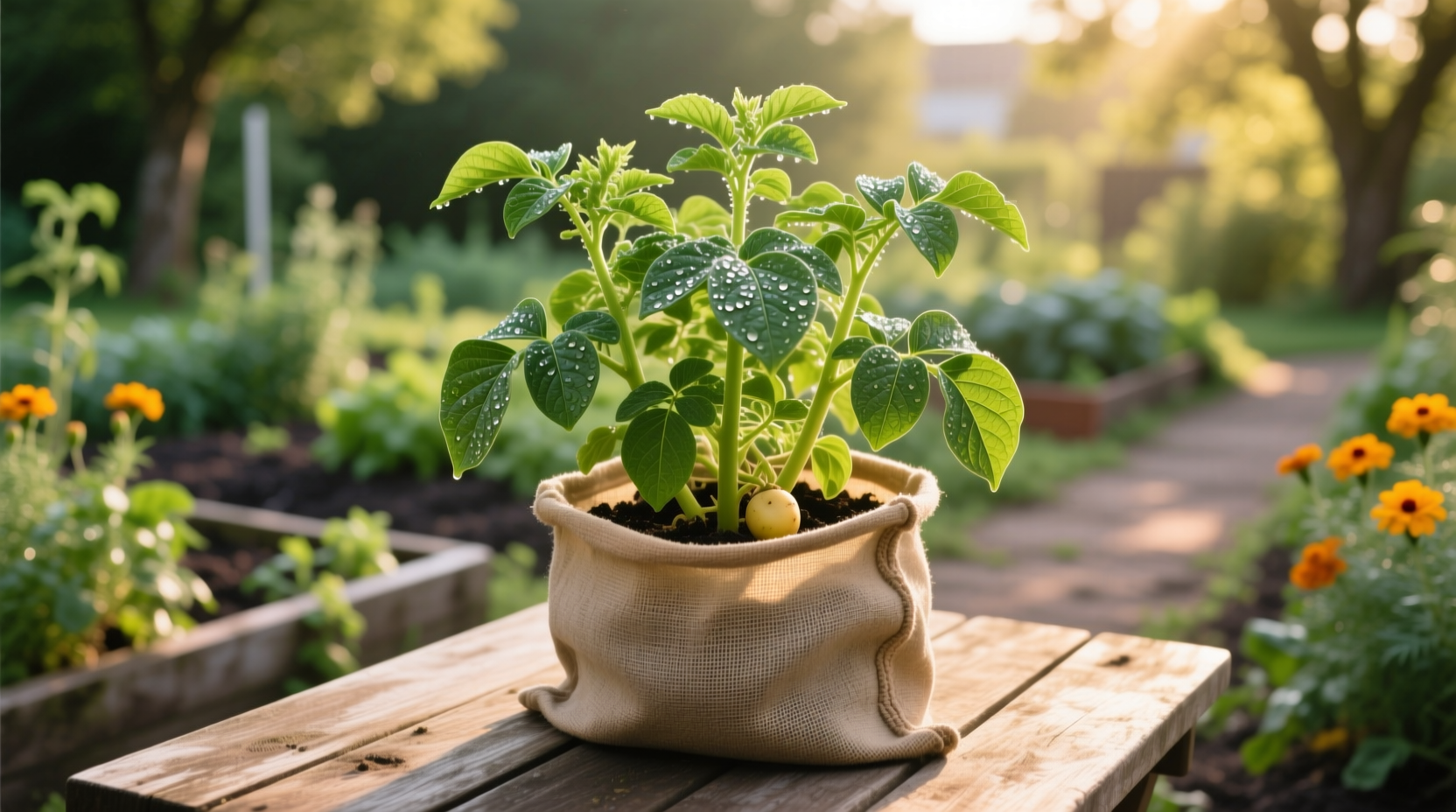
Soil Mix Formula for Maximum Production
Standard garden soil compacts in containers, suffocating potato roots. Create this ideal potting blend:
- 60% high-quality potting mix (not garden soil)
- 30% compost or well-rotted manure
- 10% perlite or coarse sand for drainage
Maintain slightly acidic conditions (pH 5.0-6.5) by adding 1 tablespoon of sulfur per 5 gallons of mix. Avoid fresh manure which can cause scab disease—composted manure applied at planting provides steady nutrients without burning developing tubers.
Planting Process: Step-by-Step Timeline
Follow this precise sequence for successful container potato growing:
- Week -2: Chit (pre-sprout) seed potatoes in indirect light
- Day 0: Fill container 1/3 full with soil mix, plant potatoes eyes up
- Day 7: When shoots reach 6 inches, add soil to cover all but top leaves
- Day 21: Repeat hilling process as needed
- Day 70+: Harvest new potatoes (small, tender)
- Day 90-120: Harvest mature potatoes after vine dies back
Planting depth is critical—set seed potatoes 4-6 inches below the soil surface. Shallow planting exposes developing tubers to sunlight, causing greening and solanine production. The Royal Horticultural Society confirms proper hilling increases yields by 30% through expanded tuber development space (RHS).
Watering and Fertilizing Schedule
Container potatoes need consistent moisture without waterlogging. Follow this watering guide based on growth stage:
- After planting: Keep soil moist but not soggy (water when top inch feels dry)
- During vine growth: 1-1.5 inches water weekly
- Flowering stage: Increase to 1.5-2 inches weekly
- 2 weeks before harvest: Reduce watering to firm up skins
Fertilize at planting with balanced 10-10-10 formula (1 tablespoon per gallon of soil). When plants flower, switch to low-nitrogen formula (5-10-10) to encourage tuber development over leafy growth. Over-fertilizing creates excessive foliage at the expense of potatoes.
Troubleshooting Common Container Potato Problems
Identify and solve these frequent issues before they ruin your harvest:
- Yellowing leaves: Usually indicates overwatering—check drainage and reduce frequency
- Small tubers: Caused by overcrowding or nutrient deficiency—thin plants or fertilize
- Green spots on potatoes: Sun exposure during growth—ensure proper hilling
- Holes in leaves: Colorado potato beetles—hand-pick or use neem oil spray
Container-grown potatoes typically mature 10-14 days faster than in-ground plants due to warmer root zone temperatures. Stop watering completely when vines naturally yellow and die back—this curing process improves storage quality.
Harvesting and Storage Techniques
Timing your harvest correctly ensures maximum flavor and storage life:
- New potatoes: Harvest 7-8 weeks after planting when flowers appear
- Main crop: Wait until vines die back completely (90-120 days)
- Storage: Cure in dark, humid place for 2 weeks before moving to cool (40-45°F), dark storage
Store harvested potatoes in ventilated containers away from onions—ethylene gas from onions accelerates sprouting. Properly stored container-grown potatoes maintain quality for 2-3 months under ideal conditions.




 浙公网安备
33010002000092号
浙公网安备
33010002000092号 浙B2-20120091-4