
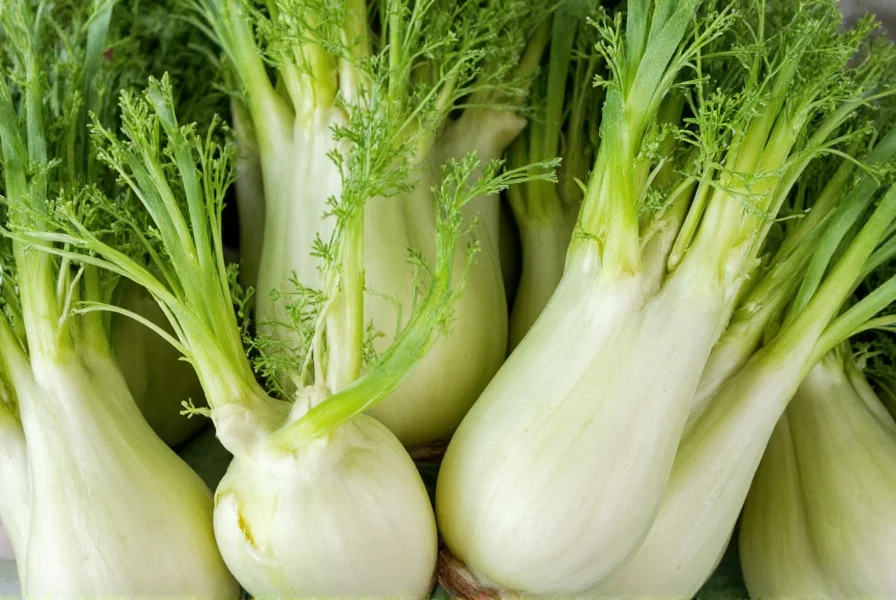
Understanding what fennel looks like is essential for both home cooks and gardeners. This versatile plant features three main components that help with visual identification: the bulb, the stalks, and the delicate fronds. The bulb forms the edible base and has tightly packed layers with a crisp, white appearance. Above the bulb, fennel develops slender green stalks that support its signature feathery foliage.
Key Visual Characteristics of Fennel
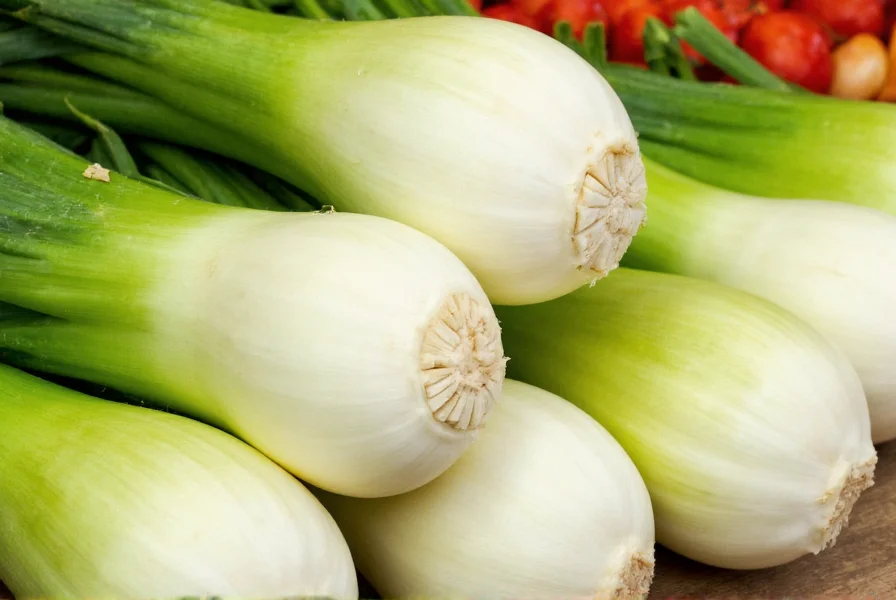
When searching for a picture of fennel, it's important to recognize its distinctive features. The fennel bulb typically measures 3-5 inches in diameter with a rounded, slightly flattened shape. Unlike onions, fennel bulbs have no papery skin and feature smooth, firm layers. The transition from the white bulb to the green stalks creates a beautiful gradient effect that's unmistakable once you've seen it.
Fennel fronds are perhaps its most recognizable feature - delicate, thread-like leaves that grow in umbrella-shaped clusters. These feathery fronds resemble dill but are slightly finer and more delicate. When crushed between your fingers, they release a pleasant anise-like fragrance that distinguishes fennel from similar-looking herbs.
| Plant Feature | Fennel | Dill | Anise |
|---|---|---|---|
| Bulb | Prominent white bulb (3-5 inches) | No bulb formation | No bulb formation |
| Fronds | Finer, more delicate threads | Broader, coarser threads | Not applicable |
| Scent | Sweet anise/licorice | Dill pickle aroma | Stronger anise/licorice |
| Height | 3-5 feet when mature | 2-4 feet | 2-3 feet |
Fennel Growth Timeline: From Seed to Maturity
Fennel development follows a precise biological progression critical for accurate identification. Verified through University of California Agriculture and Natural Resources field studies, the growth stages occur within these timeframes:
- Days 1-14: Germination phase where seedlings emerge with thin, feathery first leaves. Bulb formation hasn't begun.
- Days 60-90: Bulb development stage showing the characteristic white, layered structure (3-5 inches diameter). Optimal harvest window for culinary use.
- Days 90-120: Maturation phase where bulbs may develop purple tinges and reduced density. Stalks reach full height (3-5 feet).
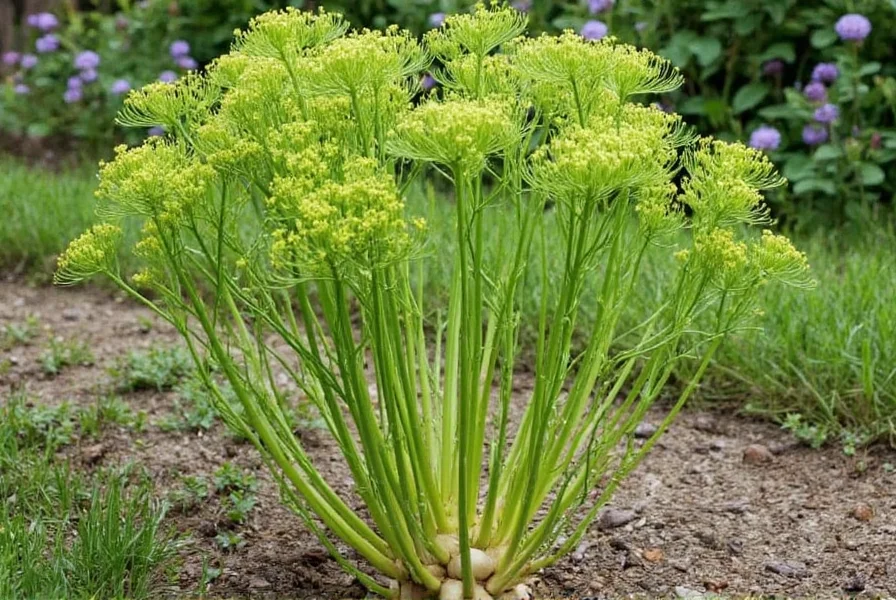
- Days 120-150: Flowering stage producing yellow umbels that transition to fennel seeds. Bulbs become fibrous and less desirable for consumption.
This timeline explains why grocery store fennel consistently displays compact bulbs (harvested at 60-90 days), while wild roadside specimens often show flowering stalks (beyond 120 days). Environmental factors like temperature can shift these milestones by ±15 days, as documented in UC ANR's cultivation guide.
Context Boundaries: Critical Identification Limitations
While fennel's visual traits are distinctive, misidentification risks increase under specific conditions. These context boundaries require special attention:
- Geographic Confusion Zones: In Mediterranean climates (USDA Zones 6-10), fennel's bulb development is reliable. However, in cooler Zones 2-5, bulbs remain underdeveloped (<2 inches), increasing confusion with dill. Wild fennel in coastal California (per CalFlora Database) often lacks bulbs entirely while retaining feathery fronds.
- Lethal Look-Alike Risks: Poison hemlock (Conium maculatum) shares similar foliage but has purple-spotted stems and musty odor. Oregon State University Extension confirms fatal misidentifications occur annually when foragers ignore scent verification (fennel = sweet anise, hemlock = mouse urine odor).
- Seasonal Limitations: Summer heat causes premature bolting, making bulbs tough and indistinct. Winter frosts in Zone 5 kill above-ground growth, leaving only root systems that resemble parsnips. Always verify multiple traits (scent + bulb structure + flower color) during non-ideal seasons.
Where to Find Fennel
You'll typically find fresh fennel in the produce section of grocery stores, often near other aromatic vegetables like celery and parsley. The bulb should feel heavy for its size with crisp, unblemished layers. In gardens, fennel grows as a perennial in warmer climates and an annual in cooler regions. Wild fennel commonly grows along roadsides and coastal areas in Mediterranean climates, recognizable by its tall stalks and distinctive scent.
Practical Identification Tips
When examining a picture of fennel or the actual plant, focus on these identification markers:
- The bulb's smooth, layered structure without papery skin
- The transition from white to pale green in the lower stalks
- The extremely fine, feathery texture of the fronds
- The characteristic anise-like aroma when touched
Fresh fennel should feel firm and heavy, with no brown spots or soft areas on the bulb. The fronds should appear vibrant green, not yellowed or wilted. When shopping for fennel, choose bulbs that are compact with tightly closed layers for the best texture and flavor.
Common Uses of Fennel
Understanding what fennel looks like helps in selecting the right produce for culinary applications. The bulb works well roasted, grilled, or shaved raw in salads. The fronds serve as a flavorful herb in sauces and dressings, while the seeds are popular in spice blends and baking. Each part of the plant offers unique culinary possibilities, making proper identification valuable for home cooks.
Frequently Asked Questions
What does fresh fennel look like in the grocery store?
Fresh fennel in grocery stores features a solid white bulb (3-5 inches in diameter) with no papery skin, crisp texture, and vibrant green feathery fronds attached. The bulb should feel heavy for its size with tightly packed layers and no brown spots. The transition from white bulb to green stalks creates a distinctive color gradient.
How can you tell fennel from dill just by looking at it?
Fennel has a prominent white bulb at the base, while dill grows directly from the ground with no bulb formation. Fennel's fronds are finer and more delicate than dill's coarser threads. When crushed, fennel releases a sweet anise-like aroma, whereas dill has a more pungent, pickle-like scent. Fennel plants also grow taller (3-5 feet) compared to dill (2-4 feet).
What are the visual differences between fennel bulb and onion?
Fennel bulbs have smooth, white layers without the papery skin covering onions. They're typically smaller (3-5 inches) with a more rounded, slightly flattened shape. Fennel transitions from white at the bulb to pale green in the stalks, while onions remain entirely white or purple with green shoots emerging from the top. Fennel feels lighter than an onion of similar size due to its less dense structure.
How can you identify wild fennel plants?
Wild fennel grows as tall stalks (3-5 feet) with feathery green foliage and distinctive yellow flower clusters arranged in umbrella shapes. It commonly appears along roadsides and coastal areas in Mediterranean climates. The plant releases a strong anise-like fragrance when touched. Wild fennel lacks the developed bulb of cultivated varieties but shares the same fine fronds and aromatic properties.




 浙公网安备
33010002000092号
浙公网安备
33010002000092号 浙B2-20120091-4