
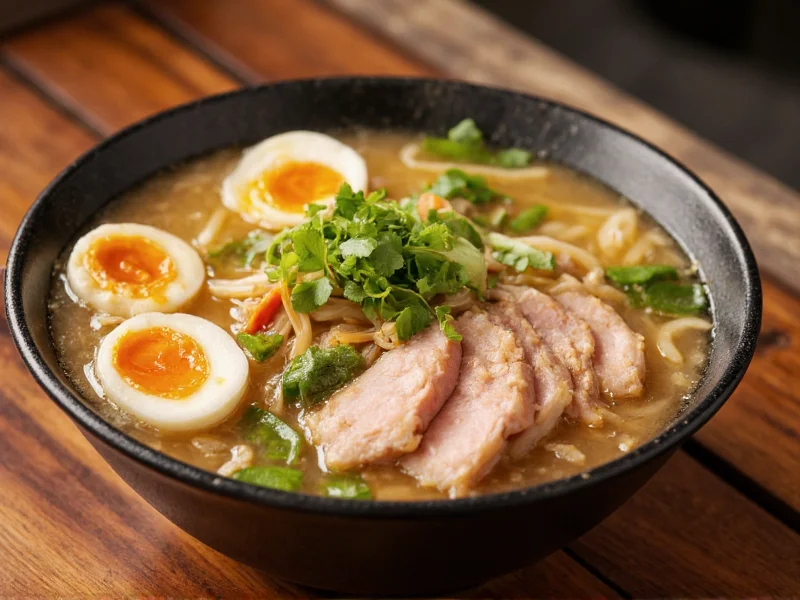
Why Your Pho Experience Might Be Missing the Mark
Many home cooks and even restaurants serve inauthentic pho by adding hoisin sauce to the broth or using pre-made bases. This masks the delicate spice balance developed through 6-12 hours of simmering bones with charred onion and ginger. As Viet World Kitchen documents, hoisin (Tương Đen) is meant only as a tableside condiment—not part of traditional preparation. Mispronouncing "pho" as "FOE" also overlooks its linguistic roots in French "feu" (fire), reflecting colonial-era adaptations.
The True Origins and Evolution of Pho
Pho emerged in Nam Dinh province, 50 miles from Hanoi, during French colonial rule (1880s-1920s). French laborers introduced beef consumption, while local cooks utilized bones and scraps to create broth inspired by pot-au-feu—a connection noted in National Geographic’s research. Chinese influences contributed rice noodles and herb techniques. After the 1954 partition, pho spread southward, evolving into distinct regional styles. Vietnam officially recognized December 12 as “Day of Pho” in 2017 per Wikipedia’s verified records.
Essential Components of Authentic Pho
Three non-negotiable elements define genuine pho:
- Broth: Simmered 6-12 hours with beef/chicken bones, charred onion, ginger, and whole spices (star anise, cloves, cinnamon). Never cloudy—skim impurities constantly.
- Noodles: Flat, white rice noodles (“bánh phở”), distinct from yellow wheat-based ramen. As Choochooca Chew confirms, they’re gluten-free and slightly translucent.
- Toppings: Raw herbs (cilantro, Thai basil, mint), bean sprouts, lime, and chilies. Meat must be added raw to cook in hot broth.
| Component | Authentic Approach | Common Mistake |
|---|---|---|
| Broth base | Beef bones + 12-hour simmer | Chicken stock or instant bouillon |
| Hoisin sauce | Served separately as condiment | Stirred into broth |
| Noodle texture | Slightly chewy, not mushy | Overcooked until soft |
Hanoi vs. Saigon: Decoding Regional Styles
Understanding these differences prevents misordering or mispreparation:
| Feature | Hanoi (Northern) | Saigon (Southern) |
|---|---|---|
| Broth clarity | Crystal clear, light | Slightly richer, sweeter |
| Noodle width | Thin (2-3mm) | Wider (4-5mm) |
| Herb selection | Cilantro only | Basil, mint, bean sprouts |
| Serving style | No condiments in broth | Hoisin/Sriracha added at table |
As Vietcetera explains, Hanoi’s version emphasizes broth purity, while Saigon’s reflects tropical abundance with sweeter notes from rock sugar and diverse herbs. Neither is “better”—choose based on preference for subtlety (Hanoi) or complexity (Saigon).
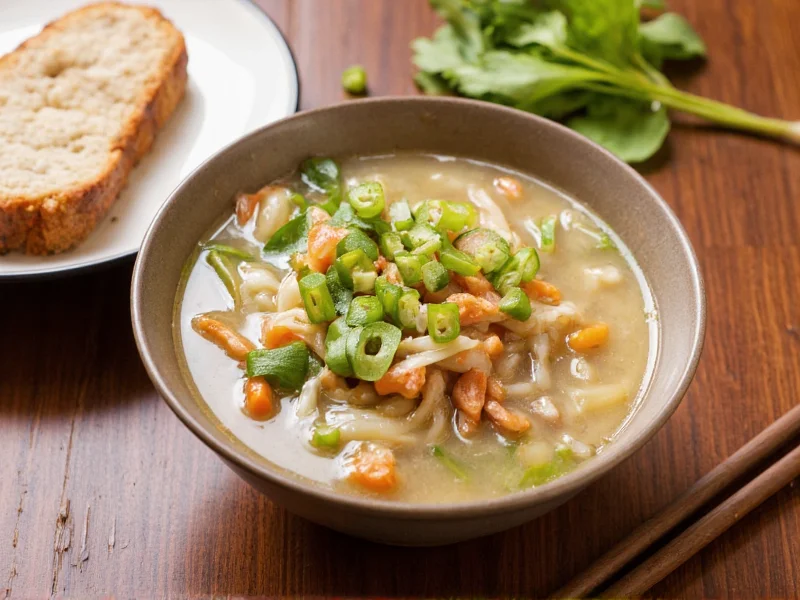
When to Serve Pho (and When to Avoid It)
Optimal scenarios:
- Cold weather recovery: The hot, clear broth soothes respiratory systems—ideal for winter or post-illness.
- Cultural immersion: Serve with proper condiments (lime, chilies) to experience authentic Vietnamese dining.
Avoid in these cases:
- Gluten sensitivity concerns: While rice noodles are gluten-free, verify broth ingredients—some commercial versions add wheat-based sauces.
- Time-constrained meals: Authentic pho requires 8+ hours for broth. For quick meals, choose simpler soups like chicken noodle.
Spotting Quality Pho: Three Reliable Tests
Don’t fall for these market traps:
- Broth clarity test: Hold a spoon behind the bowl. You should see its outline distinctly. Cloudiness indicates rushed preparation (per DocStudio’s culinary analysis).
- Noodle integrity check: After 2 minutes in broth, noodles should remain firm—not disintegrate. Mushiness signals overcooking or low-quality rice flour.
- Spice layer verification: Skim the surface. You should see visible star anise/cinnamon pieces—not just a uniform oil layer (common in fake “pho bases”).
Top 5 Pho Mistakes Even Experts Make
- Mispronouncing “pho”: Saying “FOE” ignores its French “feu” (fire) roots. Correct: rhymes with “FU” (CASAschools confirms).
- Adding hoisin to broth: This overwhelms delicate spices. Always serve it separately.
- Using raw ginger: Char ginger over open flame first—raw ginger makes broth bitter.
- Skipping bone charring: Roasting bones caramelizes collagen, creating richer flavor. Never skip this step.
- Overloading herbs: In Hanoi style, only cilantro belongs in the bowl. Basil/mint are Saigon additions.
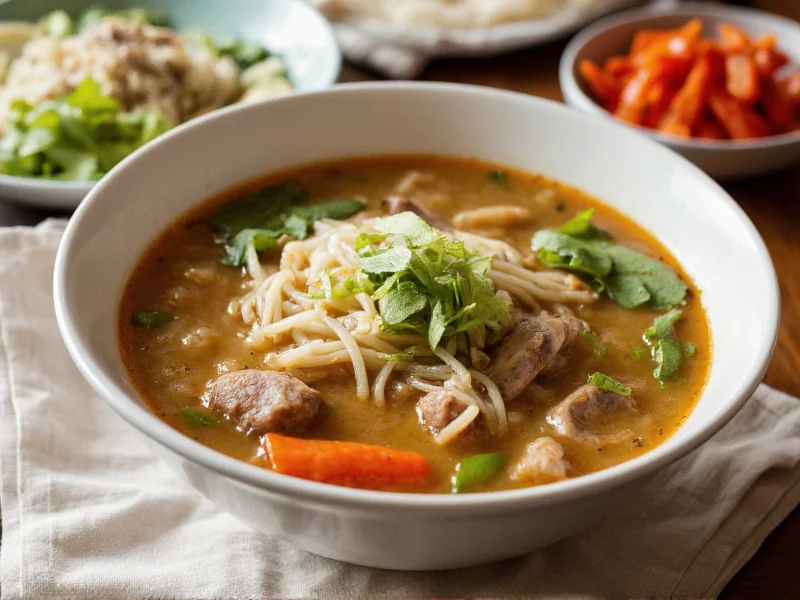
Everything You Need to Know
The correct pronunciation rhymes with “FU” (as in the expletive), not “FOE” or “FOH”. This reflects its linguistic roots in the French word “feu” (fire), referencing the pot-au-feu stew that influenced pho’s development during colonial times. CASAschools’ linguistic analysis confirms this is non-negotiable for authenticity.
Traditional pho is gluten-free when prepared correctly. Rice noodles (“bánh phở”) contain no wheat, and authentic broth uses only bones, spices, and aromatics. However, verify restaurant practices—some add soy sauce or wheat-based thickeners. Always request “no soy sauce” if gluten-sensitive, as Choochooca Chew’s noodle guide warns about cross-contamination risks in commercial kitchens.
Hoisin sauce (Tương Đen) contains fermented soybeans, sugar, and garlic that overwhelm pho’s delicate spice balance. As Viet World Kitchen details, it’s strictly a condiment meant for individual customization at the table. Adding it to broth masks the 12-hour simmered flavors of star anise and charred ginger—considered inauthentic by Hanoi chefs like Phở Thìn (operating since 1979).
Pho uses flat rice noodles in a clear, spiced beef broth with subtle herbs, while ramen features curly wheat noodles in opaque, pork-based broth with bold miso or salt flavors. As Negi and Nori’s comparison shows, pho broth simmers bones with charred ginger and star anise for clarity, whereas ramen broth boils pork bones aggressively for richness. Pho is Vietnamese; ramen is Japanese—confusing them overlooks distinct culinary philosophies.
Cool broth rapidly within 2 hours, then store in airtight containers for up to 4 days refrigerated or 3 months frozen. Never store noodles in broth—they’ll become mushy. As CASAschools’ food safety guidelines emphasize, reheat broth to 165°F (74°C) before serving. For best results, freeze broth in ice cube trays for portioned use—this preserves the delicate spice balance better than bulk storage.




 浙公网安备
33010002000092号
 浙B2-20120091-4