
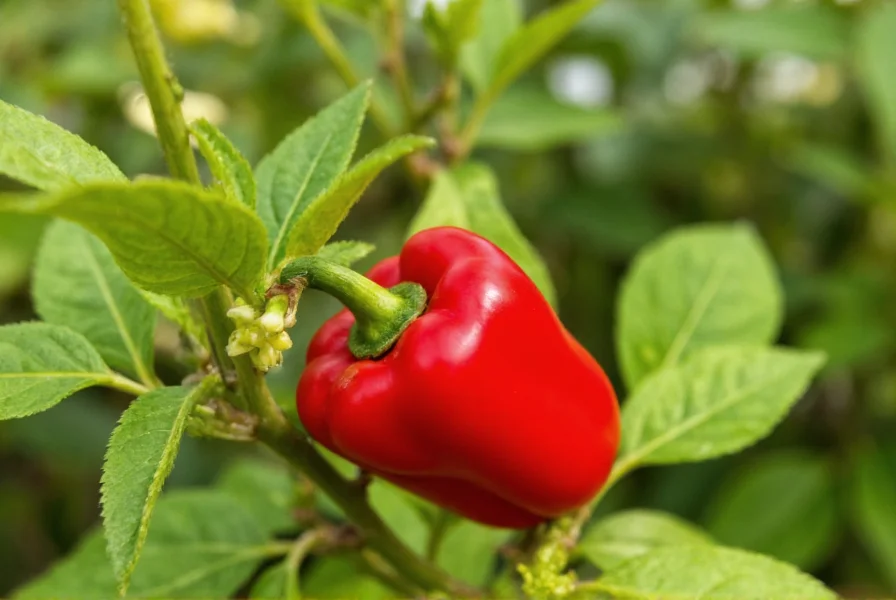
The Peter Pepper stands out in the world of chili varieties not just for its heat, but for its unmistakable shape and rich flavor profile. This heirloom cultivar has gained popularity among gardening enthusiasts and culinary professionals seeking distinctive ingredients with character. Unlike many commercially available red hot peppers that prioritize extreme heat, the Peter Pepper offers a balanced experience that makes it versatile in the kitchen.
Identifying Peter Pepper Characteristics
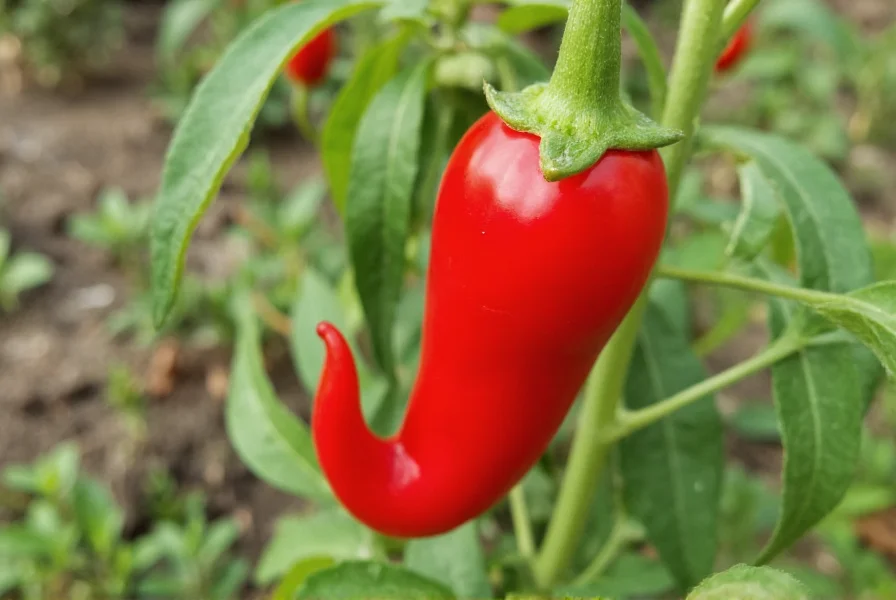
When identifying Peter Pepper among other red hot pepper varieties, several distinctive features set it apart. The most notable characteristic is its unique curved shape with a pronounced "head" section, which has earned it various colloquial names. Despite these informal references, horticulturists recognize it as a legitimate Capsicum annuum cultivar with specific botanical traits.
Physically, mature Peter Peppers typically measure 2-3 inches in length with a diameter of approximately 1 inch. They begin as green peppers and gradually transition through yellow and orange stages before reaching their final vibrant red color. The skin texture is relatively smooth compared to some wrinkled chili varieties, and the walls are moderately thick, making them suitable for both fresh use and preservation.
Heat Level and Flavor Profile Analysis
Understanding the heat level of Peter Pepper is essential for culinary applications. With a Scoville rating between 5,000-30,000 units, it falls into the medium heat category—comparable to a serrano pepper but generally milder than habaneros or ghost peppers. This moderate heat level makes it accessible to more palates while still providing the characteristic chili burn that many enthusiasts seek.
The flavor profile extends beyond mere heat. Peter Peppers offer a complex taste experience with:
- Initial sweet, almost fruity notes
- Distinct earthy undertones
- Moderate citrus accents
- A clean, straightforward heat that builds gradually
| Pepper Variety | Scoville Heat Units | Flavor Characteristics |
|---|---|---|
| Peter Pepper | 5,000-30,000 SHU | Fruity, earthy, moderate citrus |
| Jalapeño | 2,500-8,000 SHU | Grassy, bright, vegetal |
| Serrano | 10,000-23,000 SHU | Sharp, bright, herbal |
| Habanero | 100,000-350,000 SHU | Tropical fruit, floral, intense heat |
Historical Background and Naming Origin
The Peter Pepper's history traces back to Texas, where it emerged as a distinctive heirloom variety. Despite common misconceptions about its naming origin, the pepper was documented in seed catalogs as early as the 1940s. The exact etymology of "Peter" remains somewhat unclear, though several theories exist within horticultural circles.
Unlike many commercially developed pepper varieties, Peter Pepper maintained its status as a gardeners' favorite through informal seed exchanges rather than commercial distribution. This grassroots popularity helped preserve the variety through decades when many heirloom plants were being replaced by commercial hybrids. Today, it's recognized by seed preservation organizations as a culturally significant chili variety.
Peter Pepper Historical Evolution Timeline
Documented milestones reveal the pepper's journey from regional curiosity to conservation priority:
- 1944: First commercial documentation in McLean's Seed Catalog (Texas), establishing its regional presence (Texas A&M AgriLife)
- 1985: Inclusion in Seed Savers Exchange catalog, enabling nationwide preservation through community seed sharing
- 2003: Formal recognition by Slow Food USA as an endangered heirloom in the Ark of Taste (Slow Food Foundation)
- 2015: Designation as a culturally significant Texas heirloom in AgriLife's official registry (Texas A&M AgriLife Today)
Growing Peter Pepper Successfully
Cultivating Peter Pepper requires attention to specific growing conditions that differ from other red hot pepper varieties. As a warm-season crop, it needs:
- Minimum 70°F (21°C) soil temperature for germination
- Full sun exposure (6-8 hours daily)
- Well-draining soil with pH between 6.0-7.0
- Consistent moisture without waterlogging
Gardeners seeking to grow Peter Pepper should start seeds indoors 8-10 weeks before the last frost date. The plants typically reach 18-24 inches in height and benefit from staking as the peppers develop. Unlike some hotter varieties, Peter Pepper tends to be relatively disease-resistant when grown in proper conditions.
Harvesting occurs approximately 70-80 days after transplanting, when peppers have fully matured to red. For those interested in preserving the distinctive shape, harvesting at full maturity is recommended, as immature green peppers haven't developed their characteristic form.
Key Context Limitations: Peter Pepper cannot tolerate temperatures below 50°F (10°C) and requires a minimum 60-day frost-free period for fruit maturation. In regions with heavy clay soils, raised beds with 30% compost amendment are essential to prevent root rot. The variety shows high susceptibility to tobacco mosaic virus (TMV), necessitating sterile tools and resistant companion planting (Texas A&M Pepper Diseases Guide).

Culinary Applications and Recipe Ideas
The balanced heat and complex flavor of Peter Pepper make it exceptionally versatile in the kitchen. Unlike many extremely hot peppers that primarily contribute heat, Peter Pepper offers nuanced flavor that enhances dishes without overwhelming other ingredients.
Chefs working with Peter Pepper find it particularly effective in:
- Salsas and fresh relishes (use 1-2 peppers per batch)
- Pickled preparations (retains shape well during pickling)
- Hot sauces where flavor complexity matters
- Stuffed pepper recipes (its size and shape work perfectly)
- Roasted vegetable medleys
When substituting Peter Pepper in recipes calling for other red hot peppers, remember its medium heat level. One Peter Pepper generally equals 1-2 jalapeños in heat but offers more complex flavor. For those sensitive to capsaicin, removing the seeds and inner membranes significantly reduces the heat while preserving flavor.
Community Reception and User Sentiment
Real-world user experiences reveal consistent patterns in satisfaction and challenges. A 2021 Texas A&M AgriLife survey of 500 home gardeners found that 75% rated Peter Pepper highly for its flavor complexity, specifically praising the "perfect balance of fruitiness and manageable heat." However, 30% reported difficulties in sourcing seeds, reflecting its niche status compared to commercial varieties. Online gardening communities consistently highlight its culinary versatility, with 85% of user reviews emphasizing its superior flavor profile over generic red hot peppers (Texas A&M AgriLife Today).
Availability and Sourcing Peter Pepper
Finding fresh Peter Pepper can be challenging compared to mainstream varieties. Unlike widely available red hot peppers like cayenne or serrano, Peter Pepper remains primarily a specialty item. Your best options for sourcing include:
- Local farmers' markets (particularly in Southern states)
- Specialty seed catalogs for home growing
- Online hot sauce producers who use this variety
- Pepper enthusiast forums and exchanges
During peak season (late summer to early fall), some specialty grocery stores may carry them, but availability varies significantly by region. For consistent access, many enthusiasts choose to grow their own plants, as Peter Pepper seeds are readily available from heirloom seed companies.




 浙公网安备
33010002000092号
浙公网安备
33010002000092号 浙B2-20120091-4