
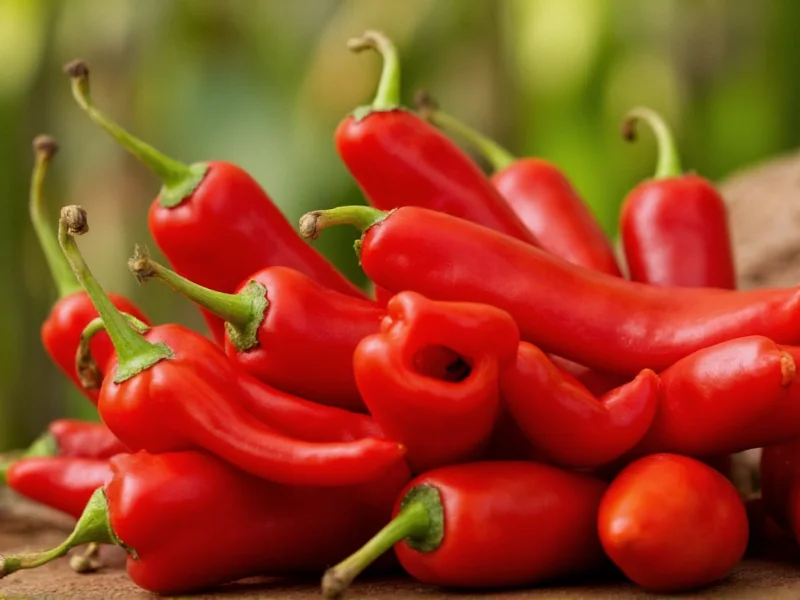
Peruvian cuisine's distinctive character comes largely from its native chili peppers, which have been cultivated in the Andes for thousands of years. Unlike Mexican or Thai chilies that often prioritize heat above all, authentic Peruvian chili peppers deliver complex flavor dimensions alongside their varying spice levels. Understanding these chilies unlocks the true essence of one of the world's most sophisticated culinary traditions. The significance of these peppers extends beyond flavor—they're recognized as integral components of Peru's gastronomic heritage, which was inscribed on UNESCO's Representative List of the Intangible Cultural Heritage of Humanity in 2023. This designation highlights how chili peppers form the foundation of Peru's culinary identity that has evolved through centuries of cultural fusion.
| Era | Key Developments | Cultural Significance |
|---|---|---|
| 3000-1800 BCE | Earliest archaeological evidence of chili cultivation in the Caral civilization (Norte Chico) | Chilies used medicinally and ceremonially; carbonized remains found in ancient Peruvian sites confirm early domestication |
| 1000-1400 CE | Inca Empire expansion incorporates regional chili varieties into state-controlled agriculture | Different chili varieties cultivated at specific altitudes; used as currency and in religious offerings |
| 16th Century | Spanish conquest introduces European ingredients while preserving indigenous chili traditions | Creation of mestizo cuisine; chilies become essential for preserving fish in ceviche preparation |
| Late 19th Century | Chinese and Japanese immigration (as documented by Peru's National Institute of Statistics and Informatics) brings Asian culinary techniques | Development of chifa (Peruvian-Chinese) and nikkei (Peruvian-Japanese) cuisines incorporating native chilies |
| 2023 | UNESCO recognizes "Cuisine of Peru" as Intangible Cultural Heritage of Humanity | Official acknowledgment of chili peppers' central role in Peru's culinary identity (Source: UNESCO Intangible Cultural Heritage List) |
The Essential Peruvian Chili Varieties
Peru's diverse microclimates produce an extraordinary range of chili peppers, each with distinct characteristics that contribute to regional dishes. The three pillars of Peruvian chili culture are:
Aji Amarillo (Yellow Chili)
Often called the "sunshine of Peruvian cuisine," aji amarillo translates to "yellow chili" but actually ripens to a vibrant orange color. This medium-heat chili (30,000-50,000 Scoville units) offers a unique fruity, slightly sweet flavor with floral notes. Unlike habaneros which share a similar heat level, aji amarillo provides more fruitiness than citrus. It's the star ingredient in iconic dishes like ají de gallina and papa a la huancaína. When fresh aji amarillo isn't available, many cooks use aji amarillo paste, which maintains excellent flavor when stored properly.
Aji Panca (Smoked Red Chili)
The deep burgundy aji panca delivers mild heat (1,000-2,000 Scoville) with a complex smoky-sweet profile reminiscent of roasted bell peppers and berries. This large, wrinkled chili is typically sun-dried and smoked, giving Peruvian dishes like carapulcra and adobo their characteristic rich color and earthy depth. Aji panca's versatility makes it perfect for marinades and sauces where you want chili flavor without overwhelming heat. When comparing aji amarillo vs aji panca, the key difference lies in their heat levels and flavor profiles—aji amarillo brings bright fruitiness while aji panca contributes smoky depth.
Rocoto (Peruvian Devil's Claw)
With heat levels rivaling habaneros (50,000-250,000 Scoville), the apple-shaped rocoto is Peru's hottest commonly used chili. Its thick walls and black seeds distinguish it from other chilies. Despite its intense heat, rocoto offers a surprising fruity undertone that balances its fire. In traditional preparations, Peruvians often remove the seeds and soak sliced rocoto in vinegar to moderate the heat while preserving flavor. This technique appears in dishes like rocoto relleno from Arequipa. Understanding the rocoto pepper heat level is crucial for home cooks attempting authentic Peruvian recipes.
| Chili Variety | Scoville Heat Units | Flavor Profile | Common Forms | Best Substitutes |
|---|---|---|---|---|
| Aji Amarillo | 30,000-50,000 | Fruity, floral, slightly sweet | Fresh, paste, dried | Habanero + bell pepper |
| Aji Panca | 1,000-2,000 | Smoky, berry-like, earthy | Paste, dried | Ancho chili + touch of smoked paprika |
| Rocoto | 50,000-250,000 | Fruity, intensely hot | Fresh, pickled | Habanero (use sparingly) |
| Aji Limo | 30,000-50,000 | Citrusy, floral, bright heat | Fresh, paste | Fresh red Thai chili |
| Culinary Tradition | Primary Chili Focus | Heat Management Approach | Cultural Philosophy |
|---|---|---|---|
| Peruvian | Flavor complexity over pure heat | Balance heat with complementary ingredients (citrus, dairy, starches) | "Gastronomic democracy" - diverse ingredients from coast, mountains, and jungle harmonized (Source: Peruvian Ministry of Foreign Trade and Tourism) |
| Mexican | Heat intensity and smokiness | Use heat as primary flavor driver; less emphasis on balancing | Preservation of indigenous techniques with Spanish influences |
| Thai | Extreme heat with herbal notes | Counterbalance heat with sugar, fish sauce, and coconut milk | Harmonizing four essential tastes: spicy, sour, sweet, salty |
Contextual Application Guidelines for Peruvian Chilies
Understanding where and when to use specific Peruvian chilies is crucial for authentic results. Each variety has ideal applications and important limitations that home cooks should recognize:
Aji Amarillo Context Boundaries
Best Applications: Cream-based sauces (ají de gallina), potato dishes (papa a la huancaína), seafood marinades Limitations: Should not be used raw in salsas as its flavor doesn't fully develop without cooking Critical Technique: Must be sautéed with onions and oil to "bloom" its flavors—adding directly to liquid results in muted flavor Regional Variation: Coastal Peru uses more aji amarillo in seafood preparations, while highland regions favor it in cheese-based sauces
Aji Panca Context Boundaries
Best Applications: Slow-cooked stews (carapulcra), adobos, marinades for meats Limitations: Loses complexity when cooked at high temperatures—never add to boiling liquids Critical Technique: Rehydrate dried aji panca in warm water (not hot) with a splash of vinegar to preserve its delicate berry notes Cultural Insight: In Arequipa, aji panca is traditionally paired with rocoto to balance mild heat with intense spiciness
Rocoto Context Boundaries
Best Applications: Stuffed peppers (rocoto relleno), spicy salsas, pickled preparations Limitations: Should never be used in dairy-based sauces as capsaicin binds with fats, creating uneven heat distribution Critical Technique: Traditional Arequipa method involves soaking sliced rocoto in milk or vinegar for 24 hours to reduce heat while maintaining flavor Important Warning: Never use plastic cutting boards with rocoto—capsaicin residue remains and can contaminate future preparations
Using Peruvian Chilies in Your Kitchen
Mastering Peruvian chili peppers requires understanding their optimal applications. Aji amarillo paste, a convenient alternative to fresh chilies, works beautifully in creamy sauces where its vibrant color and fruity notes shine. When using aji amarillo paste, start with one tablespoon per serving and adjust to taste—its flavor intensifies when cooked.
For traditional Peruvian chili recipes, proper preparation makes all the difference. Many authentic preparations involve toasting dried chilies before rehydrating them, which enhances their natural sweetness while mellowing bitterness. When working with fresh chilies, always wear gloves when handling rocoto and aji limo to protect your skin from capsaicin burns.
Finding authentic Peruvian chili peppers outside specialty markets can be challenging. Where to buy Peruvian chili peppers often depends on your location—Latin American grocery stores typically carry frozen aji amarillo and aji panca paste, while online retailers offer dried varieties and specialty pastes. If you're wondering about Peruvian chili pepper substitutes, consider these alternatives:
- Aji amarillo substitute: Mix habanero (for heat) with red bell pepper (for sweetness) in a 1:3 ratio
- Aji panca substitute: Ancho chili blended with a touch of smoked paprika
- Rocoto substitute: Habanero used sparingly, with seeds removed
Growing Peruvian Chilies Outside Peru
While Peruvian chili peppers thrive in their native Andean climate, dedicated gardeners worldwide have successfully cultivated them. Aji amarillo and aji panca require 90-100 days to maturity and prefer temperatures between 70-85°F (21-29°C). The key to growing these chilies outside Peru is providing well-draining soil and consistent moisture without waterlogging.
Rocoto presents special challenges as it grows on perennial bushes rather than annual plants and prefers cooler temperatures (60-75°F/15-24°C). Many growers in temperate climates treat rocoto as a houseplant, bringing it indoors during winter months. When cultivating Peruvian chili peppers, remember they develop more complex flavors when slightly stressed—reducing water slightly as fruits mature enhances their characteristic taste.
Nutritional Benefits of Peruvian Chilies
Beyond their culinary value, authentic Peruvian chili peppers offer impressive health benefits. All varieties contain capsaicin, which has been shown to boost metabolism and reduce inflammation. Aji amarillo particularly stands out for its high vitamin C content—surpassing even oranges by weight. Traditional Peruvian medicine has long used these chilies to improve circulation and aid digestion.
The unique growing conditions of the Andes contribute to the distinctive phytochemical profile of Peruvian chili peppers. Studies suggest that the high-altitude cultivation results in elevated levels of certain antioxidants compared to chilies grown at sea level. Incorporating these chilies into your diet provides not just flavor but a spectrum of health-promoting compounds.




 浙公网安备
33010002000092号
浙公网安备
33010002000092号 浙B2-20120091-4