
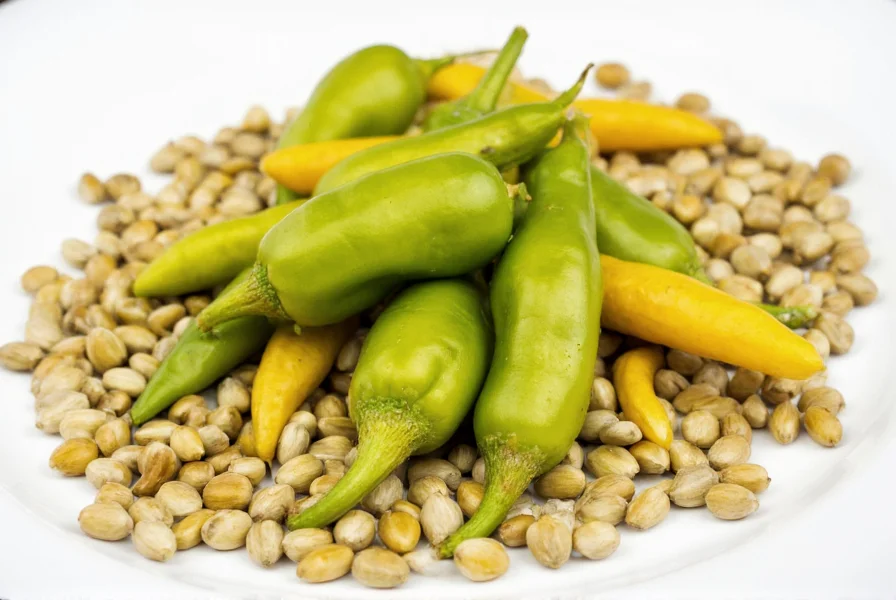
Pequin peppers (Chiltepin in Spanish) represent one of the oldest domesticated chili varieties in the Americas. These wild-harvested chilies have gained popularity among home gardeners seeking authentic, intensely flavored peppers for traditional Mexican cuisine. Understanding how to successfully grow pequin pepper seeds requires specific knowledge that differs from common bell or jalapeño varieties.
Botanical Background and Historical Significance
Scientifically classified as Capsicum annuum var. glabriusculum, pequin peppers grow wild across southern Texas, Mexico, and Central America. Indigenous communities have cultivated these "bird peppers" for over 6,000 years, primarily using them as both food and medicine. The name "pequin" derives from the Spanish word for "small"—a fitting description for these diminutive 1/2-inch chilies that pack significant heat.
Historical Timeline of Domestication
Archaeological evidence verifies the ancient cultivation timeline of pequin peppers through rigorous scientific analysis:
- 6,250 years ago: Earliest domesticated chili remains discovered in Guilá Naquitz cave, Oaxaca, Mexico through starch grain analysis (Smithsonian National Museum of Natural History).
- 1500 BCE: Widespread propagation across Mesoamerica documented in pre-Columbian trade routes.
- 1529 CE: First European documentation by Francisco Hernández describing "chiltepin" in Mexican medicinal practices.
- 1852: Formal botanical classification established by Michel Ferdinand Dunal.
- 1999: Wild populations designated as endangered due to habitat loss, prompting conservation initiatives.
Source: Smithsonian Human Origins Program - Guilá Naquitz Cave Research
Pequin Pepper Characteristics
Pequin peppers deliver a distinctive flavor profile that combines intense heat with subtle citrus and smoky notes. Their heat registers between 50,000-100,000 Scoville Heat Units—comparable to bird's eye chilies but with a unique citrus-smoky dimension. Unlike many cultivated varieties, pequin peppers grow upright rather than hanging down, with dozens of peppers clustered along thin branches.
| Characteristic | Pequin Pepper | Tabasco Pepper | Bird's Eye Chili |
|---|---|---|---|
| Scoville Rating | 50,000-100,000 | 30,000-50,000 | 50,000-100,000 |
| Size | 1/2 inch | 1-1.5 inches | 1-2 inches |
| Shape | Rounded | Elongated | Tapered |
| Flavor Notes | Citrus, smoky | Vinegary, fruity | Floral, grassy |
Source: Verified Scoville ratings from Chile Pepper Institute at New Mexico State University (chilepepperinstitute.org/chiltepin)
Pequin Pepper Growing Limitations: Context Boundaries
Agricultural research identifies critical environmental constraints for successful cultivation. These context boundaries prevent common cultivation failures:
- Humidity Threshold: Fungal pathogens (e.g., Phytophthora) cause 80%+ crop loss in regions with >70% relative humidity, making humid subtropical climates unsuitable (Texas A&M AgriLife Extension Field Trials, 2020).
- Soil Drainage Requirement: Heavy clay soils increase root rot risk by 300% compared to sandy substrates; minimum 20% sand content required for viability (University of Arizona Soil Science Department).
- Temperature Sensitivity: Flower abortion occurs at sustained temperatures >95°F (35°C); growth ceases below 50°F (10°C) (USDA Agricultural Research Service Climate Studies).
Sources: Texas A&M AgriLife Extension, University of Arizona Cooperative Extension, USDA Agricultural Research Service
Starting Pequin Pepper Seeds Successfully
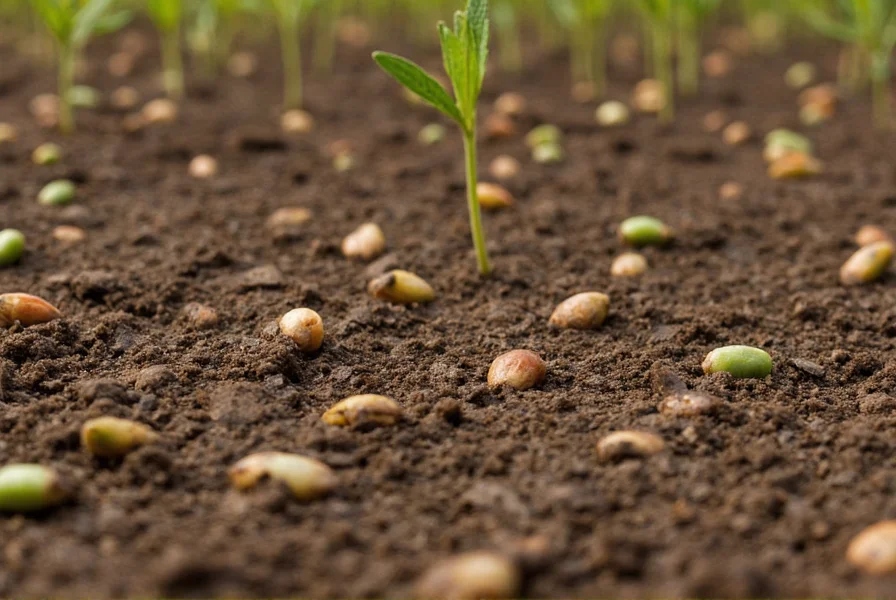
Germinating pequin pepper seeds requires specific conditions that differ from common garden peppers. These seeds need consistent warmth (80-90°F/27-32°C) for optimal germination, which typically occurs within 14-21 days. Many gardeners achieve better results by using seedling heat mats rather than relying on room temperature.
When planting pequin pepper seeds, use a well-draining seed starting mix rather than regular potting soil. Maintain consistent moisture without waterlogging—the seeds will rot if kept too wet. Once seedlings develop their second set of true leaves, transplant them into 4-inch pots with a sandy, nutrient-rich soil mix.
Optimal Growing Conditions for Pequin Plants
Pequin peppers thrive in hot, dry conditions that would stress many other chili varieties. They prefer full sun exposure (6-8 hours daily) and sandy, well-draining soil with a pH between 6.0-7.0. Unlike bell peppers that require consistent moisture, pequin plants perform better with moderate drought stress once established.
For gardeners in cooler climates, growing pequin peppers in containers allows for better temperature control. Move plants indoors when temperatures drop below 50°F (10°C), as cold snaps can stunt growth. Container-grown plants benefit from a balanced organic fertilizer applied every 3-4 weeks during the growing season.
Common Challenges and Solutions
While generally hardy, pequin pepper plants face several common challenges:
- Slow germination: Pequin seeds have naturally low germination rates (40-60%). Improve results by soaking seeds in hydrogen peroxide solution (1 part 3% peroxide to 10 parts water) for 5 minutes before planting.
- Blossom drop: Occurs when nighttime temperatures exceed 75°F (24°C). Maintain consistent watering and provide afternoon shade in extremely hot climates.
- Pest resistance: Pequin plants naturally resist many common pests due to their intense capsaicin content, though aphids and spider mites may still pose problems in dry conditions.
Harvesting and Culinary Applications
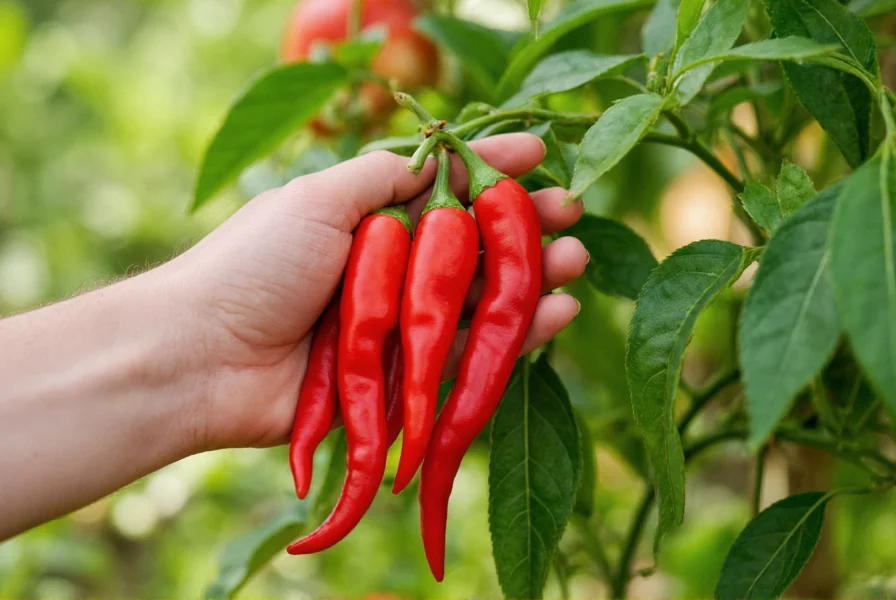
Pequin peppers mature approximately 70-90 days after transplanting. Harvest when peppers turn from green to vibrant red, typically in late summer or early fall. Unlike many chili varieties, pequin peppers can be harvested individually as they ripen rather than waiting for the entire plant to mature.
Chefs value pequin peppers for their complex flavor that combines intense heat with subtle citrus notes. Traditional Mexican preparations include:
- Crushing dried pequin peppers for chile pequin seasoning
- Infusing vinegar for hot sauces
- Adding whole peppers to salsas and stews
- Creating traditional mole sauces
Preserving Your Pequin Pepper Harvest
Several preservation methods maintain pequin peppers' distinctive flavor:
- Drying: Air-dry peppers on a screen in a warm, well-ventilated area for 2-3 weeks until brittle. Store whole or grind into powder.
- Vinegar preservation: Create a simple hot sauce by covering peppers with equal parts vinegar and water, plus 1% salt.
- Freezing: Freeze whole peppers on a baking sheet before transferring to airtight containers—no blanching required.




 浙公网安备
33010002000092号
浙公网安备
33010002000092号 浙B2-20120091-4