
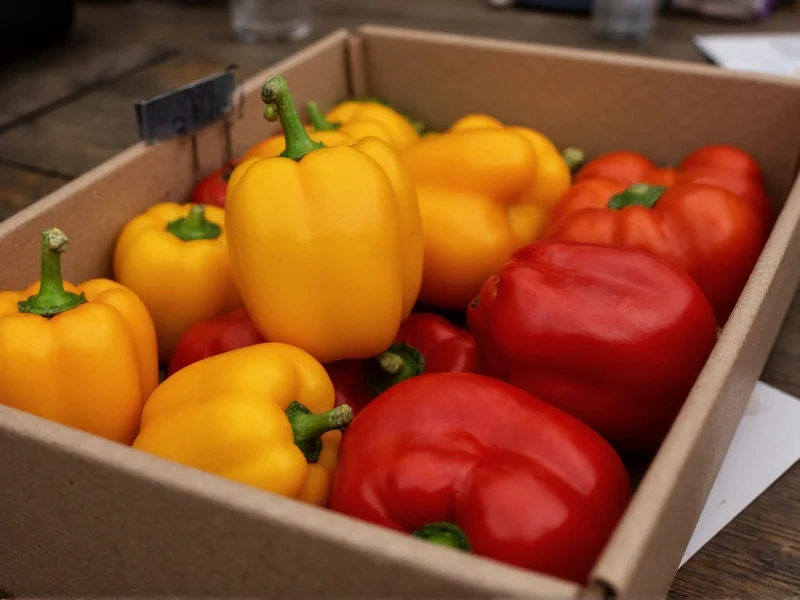
Developed in 1912 by pharmacist Wilbur Scoville, this measurement system quantifies the capsaicin concentration that creates that fiery sensation in chili peppers. While the original Scoville Organoleptic Test relied on human tasters diluting pepper extracts until heat became undetectable, modern laboratories now use High Performance Liquid Chromatography (HPLC) for precise capsaicinoid measurement. This scientific advancement delivers more consistent results while preserving the Scoville Heat Unit framework everyone recognizes.
How the Scoville Scale Works Today
Though Scoville's original method involved subjective human testing, contemporary measurements use HPLC to isolate and quantify capsaicinoids—the chemical compounds responsible for heat. Labs convert these measurements into Scoville Heat Units using a standard formula: 1 part capsaicin per million equals 15 SHU. This maintains compatibility with historical data while providing laboratory-grade accuracy.
| Measurement Feature | Scoville Organoleptic Test | HPLC Analysis |
|---|---|---|
| Accuracy Range | ±40-60% variation | ±3-5% variation |
| Primary Limitation | Human taste bud fatigue | Cannot measure sensory experience |
| Standard Reference | ASTM E2423-05 (historical) | ASTM E2423-20 (current) |
| Verification Source | ASTM International | ASTM International |
Several factors influence where a pepper lands on the heat scale:
- Capsaicin concentration - The primary heat compound in peppers
- Climate conditions - Sun exposure and water stress increase heat
- Soil composition - Nutrient levels affect capsaicin production
- Ripeness - Fully mature peppers typically register higher SHU
- Genetic variation - Even within varieties, heat can fluctuate significantly
Historical Evolution of Heat Measurement
The methodology for determining Scoville ratings has evolved through distinct technological phases, with standardized protocols emerging only recently. Key developments include:
| Era | Measurement Approach | Verification Standard |
|---|---|---|
| 1912-1980s | Human sensory panels (5 testers) | No formal standard |
| 1980s-2000 | Early HPLC with inconsistent calibration | USDA Agricultural Handbook 8-11 |
| 2000-Present | Standardized HPLC (ASTM E2423) | ASTM International |
| 2020s | Digital sensory prediction models | NIST SP 1200-112 (in development) |
Contextual Limitations of the Scoville Scale
While widely used, the Scoville scale has specific boundaries where interpretation requires caution:
- Non-linear perception: Human heat response follows a logarithmic curve—a 10,000 SHU pepper doesn't feel twice as hot as 5,000 SHU but only 20-30% hotter (source: National Institutes of Health, 2018)
- Individual variability: Genetic differences in TRPV1 receptors cause up to 1,000x variation in capsaicin sensitivity between populations (source: Nature Scientific Reports, 2019)
- Non-pepper applications: The scale was designed for Capsicum species—pure capsaicin (16 million SHU) and synthetic compounds like Resiniferatoxin (16 billion SHU) fall outside culinary contexts
- Processing effects: Drying concentrates capsaicin, increasing SHU per gram, but the scale measures concentration in raw form. A dried habanero may test 10x higher than fresh due to water loss.
Pepper Heat Levels Explained
Understanding Scoville ratings requires context about what different heat levels actually feel like. The scale spans six major categories, each producing distinct sensory experiences:
| Heat Level | SHU Range | Human Perception | Common Examples |
|---|---|---|---|
| Mild | 0-1,000 | No detectable heat | Bell peppers, pimento |
| Medium Mild | 1,000-5,000 | Noticeable warmth | Peperoncini, banana peppers |
| Medium | 5,000-15,000 | Definite heat, manageable | Jalapeño, Fresno |
| Hot | 15,000-50,000 | Significant burn, tears possible | Serrano, cayenne, Tabasco |
| Very Hot | 50,000-300,000 | Intense burn, requires caution | Habanero, Scotch bonnet, Thai chili |
| Extremely Hot | 300,000+ | Severe pain, medical risk | Ghost pepper, Carolina Reaper, Dragon's Breath |
Detailed Pepper Heat Reference Chart
This comprehensive reference shows where popular peppers fall on the Scoville scale, including their typical heat range and culinary applications:
| Pepper Variety | Scoville Range (SHU) | Heat Level | Common Uses |
|---|---|---|---|
| Bell Pepper | 0 | Mild | Salads, stuffed peppers, stir-fries |
| Peperoncini | 100-500 | Medium Mild | Pickled appetizers, Greek salads |
| Jalapeño | 2,500-8,000 | Medium | Salsas, nachos, poppers |
| Serrano | 10,000-23,000 | Hot | Pico de gallo, hot sauces |
| Habanero | 100,000-350,000 | Very Hot | Caribbean sauces, hot sauces |
| Ghost Pepper (Bhut Jolokia) | 800,000-1,041,427 | Extremely Hot | Competitive eating, extreme hot sauces |
| Carolina Reaper | 1,400,000-2,200,000 | Extremely Hot | World record hot sauces, challenges |
| Dragon's Breath | 2,480,000 (unofficial) | Extremely Hot | Experimental, not for consumption |
Practical Applications of the Pepper Heat Scale
Chefs and home cooks use the Scoville scale to predict how peppers will perform in recipes. Understanding these measurements helps prevent culinary disasters while allowing for intentional heat layering. When substituting peppers, consider both the SHU range and flavor profile—habaneros offer tropical fruit notes while cayenne provides straightforward heat.
For those sensitive to capsaicin, start with lower-heat varieties and gradually work up the scale. Always wear gloves when handling extremely hot peppers, and avoid touching your face. If you experience excessive burning, dairy products like milk or yogurt provide relief by binding to capsaicin molecules.
Common Misconceptions About Pepper Heat
Several myths persist about pepper heat that contradict scientific understanding. Many believe the seeds contain the most heat, but capsaicin actually concentrates in the white pith surrounding seeds. The placenta tissue holds up to 90% of a pepper's capsaicin, while seeds absorb heat secondarily.
Another misconception suggests all peppers of a given variety have identical heat. In reality, individual peppers from the same plant can vary by 50% or more in SHU due to microclimate differences. Even commercial products like Tabasco sauce maintain consistent heat through careful blending of peppers from multiple sources.
Measuring Your Own Pepper Heat
While professional HPLC testing remains the gold standard, home growers can estimate relative heat using simple methods. The milk dilution test involves blending pepper extract with milk until the heat becomes undetectable, then comparing results to known references. Though less precise than lab testing, this approach provides useful comparative data for gardeners selecting breeding stock.
Remember that perceived heat varies between individuals based on genetics, tolerance, and even recent diet. What seems extremely hot to one person might feel moderate to someone with regular capsaicin exposure. Always label homemade hot sauces clearly and include Scoville estimates to prevent unexpected reactions.
Final Considerations for Pepper Enthusiasts
Whether you're a casual cook or competitive chilihead, understanding the pepper heat scale helps you navigate the world of spicy foods safely and enjoyably. Start with milder varieties to develop tolerance, always handle extremely hot peppers with protective gear, and keep dairy products nearby for emergency relief. The Scoville scale serves as your roadmap through the diverse landscape of chili peppers, transforming random heat experiences into predictable culinary adventures.




 浙公网安备
33010002000092号
浙公网安备
33010002000092号 浙B2-20120091-4