
Many gardeners and cooking enthusiasts encounter confusion when searching for information about peppermint pepper pike, mistakenly believing these terms represent related plants or a single botanical entity. This article clarifies these commonly confused terms, helping you make informed decisions for your garden or kitchen.
What Exactly Is Peppermint?
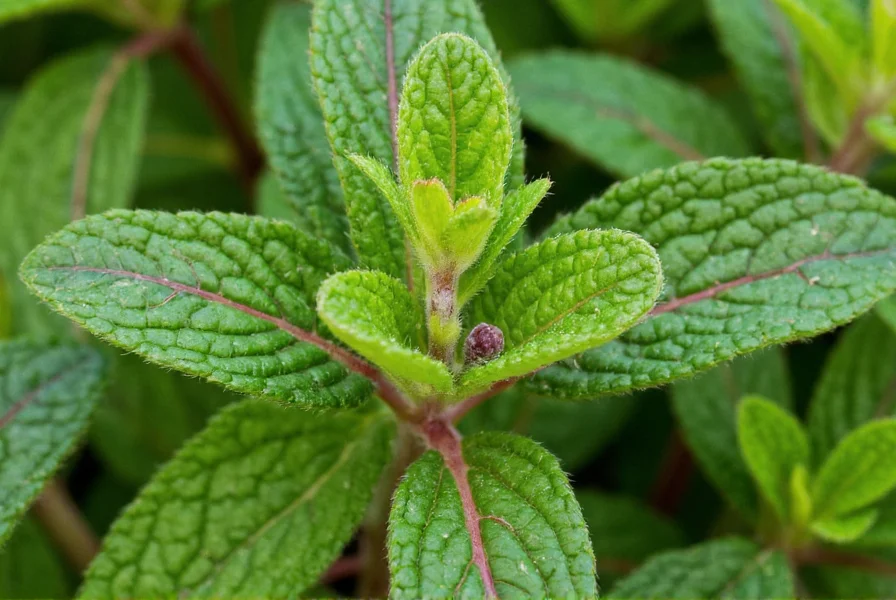
Peppermint (Mentha × piperita) is a hybrid mint, a cross between watermint and spearmint. This aromatic perennial plant features:
- Dark green leaves with reddish veins
- Characteristic minty fragrance with cooling properties
- Small purple or white flowers that bloom in mid-to-late summer
- Aggressive spreading habit through underground rhizomes
Gardeners seeking information about peppermint plant characteristics versus pepper plants should note that despite the "pepper" in its name, peppermint has no relation to actual pepper species. The name comes from its sharp, pungent flavor rather than any botanical connection.
Understanding Pepper: Two Completely Different Plant Families
The term "pepper" creates significant confusion because it refers to plants from two entirely different botanical families:
| Pepper Type | Botanical Family | Key Characteristics | Common Varieties |
|---|---|---|---|
| True Peppers (Piper) | Piperaceae | Vining plants, peppercorns from flower spikes | Black, white, green, and red peppercorns |
| Chili Peppers (Capsicum) | Solanaceae | Herbaceous plants, fruit-based heat | Bell peppers, jalapeños, habaneros, cayenne |
When researching the difference between peppermint and pepper plants for gardening, remember that true peppers (Piper nigrum) are tropical vines requiring warm climates, while chili peppers grow as annuals in most temperate regions. Neither has any relation to mint family plants like peppermint.
What Is Pike and Why It's Not Related
The term "pike" in the query peppermint pepper pike represents the most significant point of confusion. Pike refers to:
- Northern pike (Esox lucius) - A freshwater predatory fish common in North America and Eurasia
- Pike - A historical weapon with a long shaft and spear-like point
There is no plant known as "pike" in botanical nomenclature. The confusion likely stems from:
- Mishearing or misspelling of "spike" (as in flowering spikes of certain plants)
- Confusion with "pike" as a place name (like Lake Tahoe's Emerald Bay, sometimes called "Pike"
- Mixing up similar-sounding terms in gardening contexts
Common Confusions and How to Avoid Them
Understanding why people confuse peppermint pepper and pike terms helps prevent gardening and culinary mistakes:
Linguistic Similarities
The words share phonetic elements that lead to confusion, especially among non-native English speakers or when terms are heard rather than read. "Peppermint" contains "pepper," creating false association.
Botanical Naming Conventions
Many plants have "pepper" in their common names without being related to true peppers:
- Pepper tree (Schinus molle) - Related to cashews, not peppers
- Mountain pepper (Tasmannia species) - Entirely different family
- Peppermint gum (Eucalyptus piperita) - A eucalyptus species
Historical Evolution of Terminology
Linguistic confusion has evolved through distinct historical phases, as documented by etymological research:
| Term | First Recorded Use | Key Historical Development | Authoritative Source |
|---|---|---|---|
| Peppermint | 1648 | Coined from "pepper" (for pungency) + "mint"; botanical classification established in 1753 by Linnaeus | Online Etymology Dictionary |
| Pepper (Piper) | Pre-900 AD | Old English "piper" from Latin; exclusive reference to Piper nigrum until 1493 | Online Etymology Dictionary |
| Chili Pepper | 1585 | Columbus-era misapplication: Spanish "pimiento" used for Capsicum due to pungency resemblance | Online Etymology Dictionary |
| Pike (fish) | Pre-900 AD | Old English "píc"; weapon named in 1536 for fish-like spearhead shape | Online Etymology Dictionary |
This timeline confirms the critical confusion point occurred in the 16th century when European explorers misapplied "pepper" to New World chili plants, creating lasting botanical misnomers unrelated to mint species.
Contextual Boundaries: Where Confusion Arises
Confusion manifests only in specific scenarios, with clear professional boundaries preventing errors:
- Gardening Contexts: Home gardening forums show frequent misidentification, but university extension services maintain strict differentiation. The University of Florida IFAS Extension explicitly states black pepper "is a tropical perennial vine" requiring frost-free conditions, while peppermint thrives in temperate zones 3-11 – making co-cultivation impractical outside controlled environments.
- Culinary Applications: Professional kitchens never substitute peppermint for pepper due to incompatible flavor chemistry (menthol cooling vs. piperine heat). FDA labeling regulations (21 CFR 182.10) require distinct identification of mint and pepper products.
- Non-Confusion Zones:
- Fishing/military contexts exclusively use "pike" with zero plant associations
- Scientific literature mandates Latin nomenclature (Mentha × piperita, Piper nigrum)
- Commercial spice production follows ISO 676:2020 botanical naming standards
These boundaries demonstrate that confusion occurs almost exclusively in casual online searches, not in professional horticultural or culinary practice.
Gardening Misinformation
Online forums sometimes contain incorrect information about growing peppermint and pepper together in the same garden bed. While both can be grown in home gardens, they have vastly different requirements:
- Peppermint thrives in moist, shaded areas and spreads aggressively
- True peppers require tropical conditions and support for vining
- Chili peppers need full sun and well-drained soil
Practical Applications: Using Each Correctly
Understanding these distinctions helps in proper usage:
Peppermint Applications
Use peppermint for:
- Teas and tisanes
- Desserts and chocolate pairings
- Natural pest control (repels insects)
- Aromatherapy and topical pain relief
Pepper Applications
Use true peppers (Piper) for:
- Seasoning with varying heat levels (black > white > green)
- Whole peppercorns in pickling
- Medicinal uses (piperine enhances nutrient absorption)
Use chili peppers (Capsicum) for:
- Adding heat to dishes
- Color and flavor in salsas and sauces
- Pain relief creams (capsaicin)
Conclusion: Clearing Up the Confusion
The query peppermint pepper pike represents a common linguistic confusion rather than a botanical reality. Peppermint belongs to the mint family (Lamiaceae), true peppers to the Piperaceae family, and chili peppers to the nightshade family (Solanaceae). Pike is neither a plant nor related to either. When planning your garden or selecting ingredients, understanding these distinctions ensures you choose the right plants for your needs. For those researching the truth about peppermint pepper and pike relationships, this clarification prevents wasted effort on non-existent plant connections.




 浙公网安备
33010002000092号
浙公网安备
33010002000092号 浙B2-20120091-4