
Understanding Pepper Vine: A Complete Botanical Profile
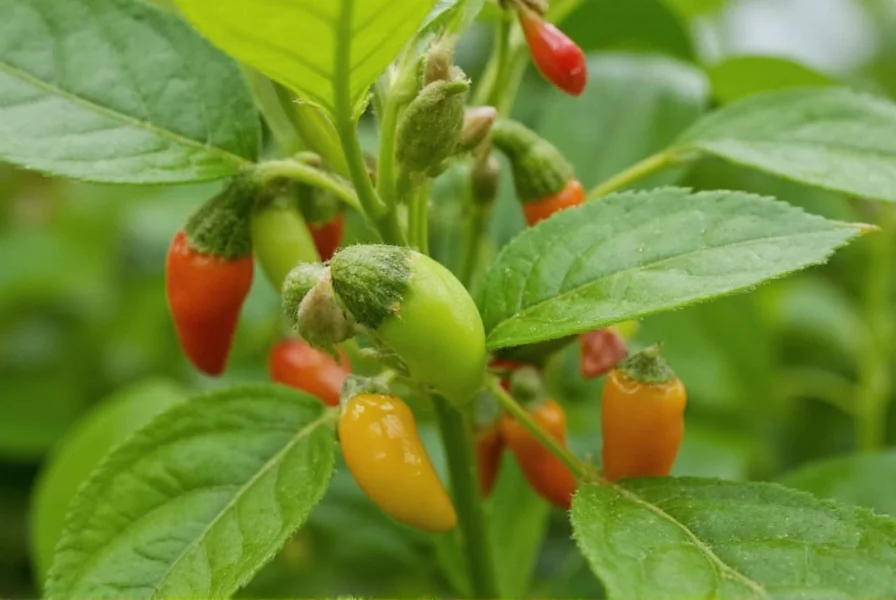
When exploring natural landscapes in eastern North America, you might encounter a climbing vine commonly mistaken for poison ivy. Pepper vine (Ampelopsis arborea) is a valuable native species that provides food for wildlife and adds ecological diversity to forest ecosystems. This comprehensive guide separates fact from fiction about this often-misidentified plant.
Botanical Classification and Related Species
Pepper vine belongs to the genus Ampelopsis within the Vitaceae family, which also includes grapevines (Vitis species). The scientific name Ampelopsis arborea comes from Greek words meaning "vine-like tree," reflecting its climbing habit. While commonly called "pepper vine" in field guides and regional plant databases, it's important not to confuse it with:
- Piper nigrum (true black pepper plant) - a tropical vine grown for commercial pepper production
- Poison ivy (Toxicodendron radicans) - which causes skin irritation
- Cow-itch vine (Marah spp.) - another look-alike with irritating properties
Physical Characteristics for Accurate Identification
Proper identification of pepper vine prevents unnecessary avoidance of a beneficial native plant. Understanding pepper vine vs poison ivy differences is crucial for outdoor enthusiasts, gardeners, and land managers.
| Feature | Pepper Vine | Poison Ivy |
|---|---|---|
| Leaf Arrangement | Opposite branching pattern | Alternate branching pattern |
| Leaf Structure | Compound leaves with 3-5 leaflets | Always 3 leaflets ("leaves of three") |
| Leaf Edges | Serrated or toothed margins | Smooth or slightly lobed margins |
| Stem Characteristics | Reddish-brown, smooth bark; no aerial roots | Hairy appearance from aerial rootlets |
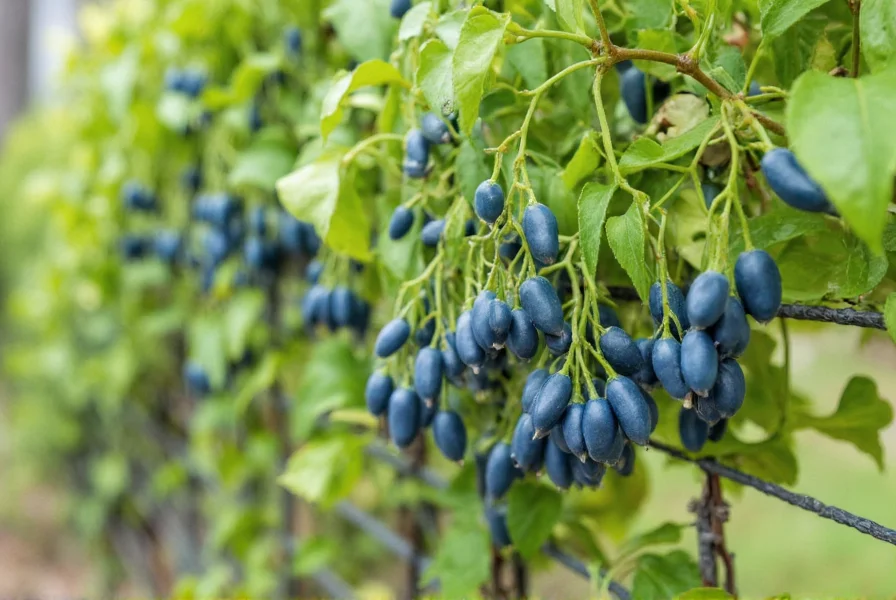
| Fruit | Small blue-black berries in clusters | Creamy-white berries |
| Skin Reaction | No irritation | Causes allergic dermatitis |
One of the most reliable pepper vine identification tips involves examining the leaf arrangement. Pepper vine exhibits opposite branching (leaves grow in pairs directly across from each other), while poison ivy has alternate branching (leaves grow in staggered positions along the stem). This single characteristic can prevent misidentification in 90% of cases.
Habitat and Geographic Distribution
Pepper vine naturally occurs throughout the eastern United States, ranging from New York to Florida and west to Texas and Oklahoma. It thrives in specific environmental conditions that support healthy pepper vine growing conditions:
- Moisture requirements: Prefers moist soils but tolerates periodic flooding
- Light conditions: Grows well in partial shade to full sun
- Soil preferences: Adaptable to various soil types but favors rich, well-drained loam
- Elevation range: Typically found below 3,000 feet elevation
This native vine commonly appears along woodland edges, stream banks, and forest openings. Unlike invasive species such as kudzu, pepper vine maintains ecological balance within its native range and provides valuable habitat for native wildlife species.
Ecological Benefits and Wildlife Value
Pepper vine serves important ecological functions in eastern forest ecosystems. The plant's seasonal development provides multiple benefits throughout the year:
- Spring: Small greenish-white flowers attract native pollinators including bees and butterflies
- Summer: Dense foliage offers nesting sites for birds and small mammals
- Fall: Blue-black berries provide critical food source for songbirds including robins, cardinals, and woodpeckers
- Winter: Deciduous nature allows sunlight to reach forest floor while stems provide structure
Research shows that native birds prefer pepper vine berries over many non-native alternatives, making this plant particularly valuable for supporting local biodiversity. Understanding pepper vine benefits helps land managers make informed decisions about native plant conservation.
Cultivation and Landscape Use
Gardeners interested in native plant landscaping may wonder about growing pepper vine plant specimens. While not commonly available in nurseries, it can be successfully cultivated with proper care:
- Propagation: Best grown from seed or stem cuttings taken in late summer
- Support structure: Requires trellis, fence, or tree for climbing
- Growth rate: Moderate (2-6 feet per year under ideal conditions)
- Maintenance: Minimal pruning needed; remove dead wood in late winter
When considering pepper vine growing conditions for your garden, remember that this plant naturally dies back in winter and emerges later in spring than many garden plants. Patience is required, as new growth may not appear until soil temperatures consistently exceed 60°F (15°C).
Safety Considerations and Common Misconceptions
Many people ask, "Is pepper vine edible?" While the berries are consumed by wildlife, they're generally considered inedible for humans. Though not toxic like poison ivy, the berries have a peppery taste that most find unpalatable. No documented cases of poisoning exist from pepper vine consumption, but it's not recommended for human consumption.
Unlike poison ivy, pepper vine does not contain urushiol oil, the compound responsible for allergic skin reactions. This makes pepper vine safe to handle without protective gear. However, always properly identify plants before handling, as misidentification remains the primary cause of accidental poison ivy exposure.
Management in Natural Areas
Pepper vine is generally not considered invasive within its native range. However, land managers should monitor its growth in restoration areas:
- Control is rarely needed as it doesn't aggressively displace other native vegetation
- If removal is necessary, cut vines near the base and monitor for regrowth
- Chemical control is typically unnecessary and may harm beneficial species
- Prescribed burning in early spring can help manage excessive growth
When evaluating whether pepper vine is invasive in your area, consult local extension services or native plant societies. In its native range, this plant contributes positively to ecosystem health rather than causing ecological disruption.
Conclusion
Pepper vine (Ampelopsis arborea) represents a valuable native species often misunderstood due to superficial similarities with poison ivy. By learning proper pepper vine identification techniques, outdoor enthusiasts can appreciate this beneficial plant without unnecessary concern. Its ecological contributions, distinctive appearance, and wildlife value make it a noteworthy component of eastern North American forests. Whether you're a gardener considering native plant options or a hiker wanting to confidently identify trailside vegetation, understanding the true nature of pepper vine enhances your connection with the natural world.
Frequently Asked Questions
Is pepper vine the same as poison ivy?
No, pepper vine (Ampelopsis arborea) is completely different from poison ivy. Pepper vine has opposite leaf arrangement and compound leaves with 3-5 leaflets, while poison ivy has alternate branching and always has exactly three leaflets. Pepper vine does not contain urushiol oil and will not cause skin irritation.
Can you eat pepper vine berries?
While pepper vine berries are not toxic, they are generally considered inedible for humans. The berries have a strong peppery taste that most people find unpleasant. Wildlife including birds and small mammals regularly consume the berries without issue, but humans should avoid eating them.
How can I identify pepper vine correctly?
To identify pepper vine: look for opposite leaf arrangement (leaves grow in pairs across from each other), compound leaves with 3-5 toothed leaflets, smooth reddish-brown stems without hairs, and clusters of small blue-black berries. The most reliable differentiator from poison ivy is the opposite branching pattern versus poison ivy's alternate branching.
Is pepper vine invasive?
Pepper vine is not considered invasive within its native range (eastern United States). It grows naturally in woodland areas without aggressively displacing other native vegetation. Unlike true invasive species, pepper vine maintains ecological balance and provides valuable food and habitat for native wildlife.
Can I grow pepper vine in my garden?
Yes, you can grow pepper vine in your garden if you're cultivating native plants. It requires a support structure to climb, prefers moist well-drained soil, and grows best in partial shade to full sun. Note that it dies back completely in winter and may not show new growth until late spring. The plant provides excellent wildlife value with its berries and foliage.




 浙公网安备
33010002000092号
浙公网安备
33010002000092号 浙B2-20120091-4