
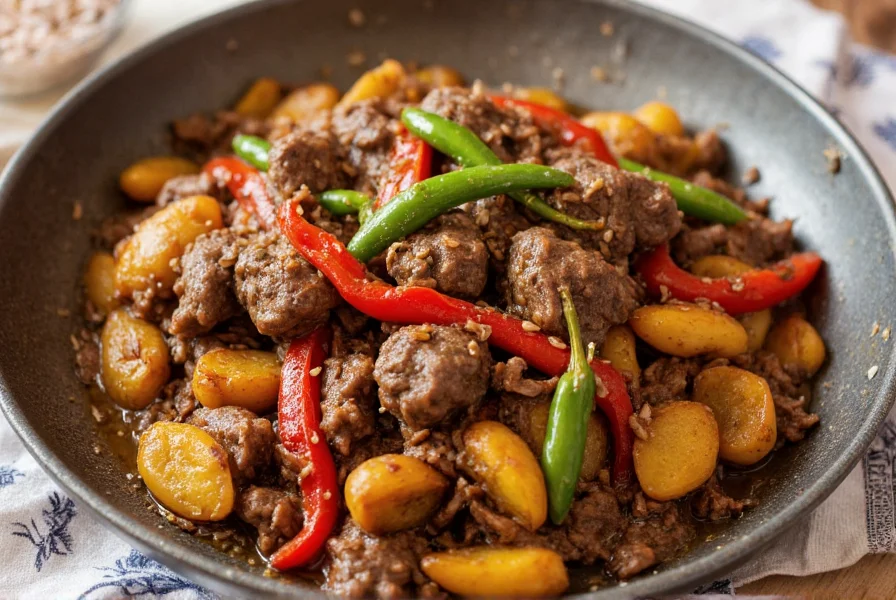
The Essential Guide to Perfect Pepper Steak Stir Fry
Pepper steak stir fry stands as one of the most beloved Chinese-American dishes for good reason. This quick-cooking meal delivers restaurant-quality results with minimal effort when you understand the fundamentals. The magic happens through proper ingredient selection, precise heat control, and timing that preserves both texture and flavor.Historical Evolution and Cultural Context
Pepper steak stir fry emerged during the 1960s-1970s as Chinese-American restaurants adapted traditional Cantonese techniques to American ingredients and palates. Unlike authentic Chinese stir-fries focusing on single-protein preparations, this dish incorporated Western preferences for sweet-savory sauces and bell peppers—vegetables rarely used in mainland Chinese cuisine. As documented by culinary historians at the Smithsonian National Museum of American History, the dish evolved through three distinct phases: initial adaptation using scarce ingredients during mid-20th century immigration waves, standardization in 1970s restaurant menus, and contemporary health-conscious modifications. This evolution reflects broader patterns in American food culture where immigrant dishes undergo "palate localization" while maintaining core cooking techniques.
| Historical Phase | Key Characteristics | Cultural Influence |
|---|---|---|
| 1950s-1960s (Adaptation) | Substituted bamboo shoots with bell peppers; used Worcestershire for umami | Post-WWII ingredient scarcity; military ration influences |
| 1970s-1980s (Standardization) | Thickened cornstarch sauces; consistent 1:1 meat-to-vegetable ratio | Chain restaurant menu engineering; frozen food industry impact |
| 1990s-Present (Refinement) | Reduced sodium options; grass-fed beef preferences; wok hei preservation focus | Health consciousness; farm-to-table movement; culinary authenticity demands |
Choosing the Right Ingredients
The foundation of an exceptional pepper steak stir fry begins with quality components. For the meat, flank steak or sirloin works best due to their ideal balance of tenderness and beefy flavor. Slice against the grain into ¼-inch strips for maximum tenderness. Avoid pre-marinated meats as they often contain excessive sodium and preservatives that compromise authentic taste.| Ingredient | Best Choices | Avoid |
|---|---|---|
| Beef | Flank steak, sirloin, ribeye | Round steak, pre-marinated cuts |
| Peppers | Fresh bell peppers (mixed colors), shishito | Mushy or wilted peppers |
| Sauce Base | Low-sodium soy sauce, oyster sauce, rice vinegar | Bottled stir fry sauces with artificial flavors |
Mastering the Cooking Technique
The wok's high heat capability makes it ideal for authentic pepper steak stir fry, though a heavy cast-iron or carbon steel skillet works well too. Heat your cooking surface until a drop of water sizzles and evaporates immediately—this high temperature prevents steaming and ensures proper searing. Begin by stir-frying the beef in two batches to avoid overcrowding. Cook each batch for 90 seconds until browned but not fully cooked, then remove to a plate. Next, add peppers and onions, cooking for 2-3 minutes until crisp-tender. Return the beef to the pan, pour in your sauce, and toss everything together for 60-90 seconds until the sauce thickens and coats the ingredients evenly.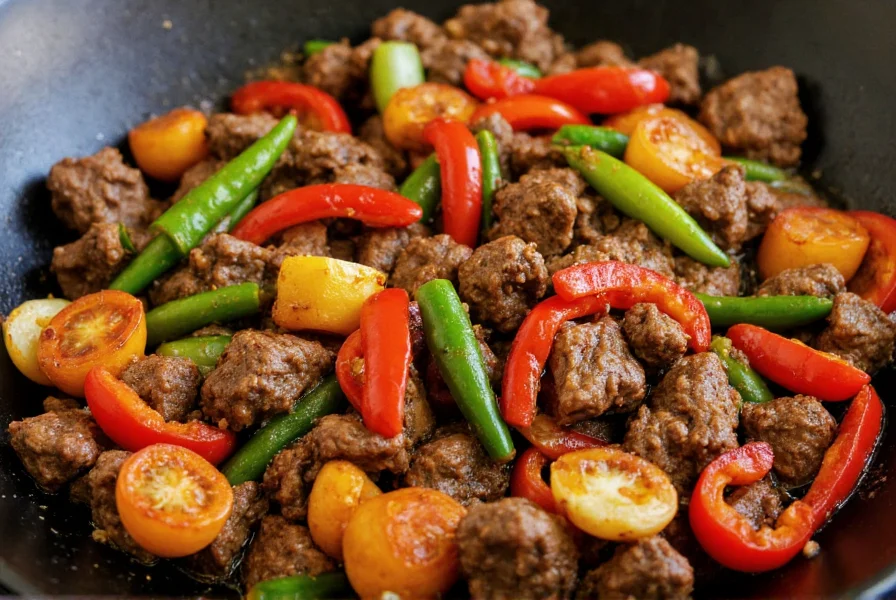
Avoiding Common Mistakes
Many home cooks make critical errors that compromise their pepper steak stir fry. Overcrowding the pan lowers the temperature dramatically, causing ingredients to steam rather than sear. Adding all ingredients at once creates uneven cooking. Using cold ingredients straight from the refrigerator disrupts the cooking process. The sauce consistency often presents challenges. Too much cornstarch creates a gloppy texture, while too little leaves the sauce watery. The perfect ratio uses 1 tablespoon cornstarch per ½ cup liquid. Always mix cornstarch with cold liquid before adding to hot ingredients to prevent clumping.Perfect Pairings and Variations
Serve your pepper steak stir fry immediately over steamed jasmine rice or noodles for a complete meal. Garnish with sliced green onions and sesame seeds for visual appeal and added flavor. For a low-carb option, serve over cauliflower rice or alongside steamed broccoli. Dietary adaptations work well with this versatile dish. Substitute tamari for gluten-free preparation, use coconut aminos for soy-free version, or add sliced mushrooms and baby corn for vegetarian adaptation (using tofu instead of beef). For extra heat, include red pepper flakes or sliced fresh chili peppers during cooking.Dietary Context and Practical Limitations
Understanding this dish's nutritional profile and situational constraints is crucial for informed preparation. A standard restaurant portion contains 900-1,200mg sodium—exceeding 40% of the American Heart Association's recommended daily limit for cardiovascular health maintenance. Home adaptations using low-sodium soy alternatives can reduce this by 35%, but require compensating with umami-rich ingredients like dried shiitake mushrooms to maintain flavor depth. The dish's high-heat requirement (minimum 400°F/204°C) makes it unsuitable for induction cooktops without specialized wok rings, and its 30-minute preparation window positions it as an ideal weeknight solution but less appropriate for meal-preppers due to texture degradation beyond 72 hours. Professional culinary research confirms bell peppers lose 60% of vitamin C content after 3 days of refrigeration, making fresh preparation essential for nutritional value.




 浙公网安备
33010002000092号
浙公网安备
33010002000092号 浙B2-20120091-4