
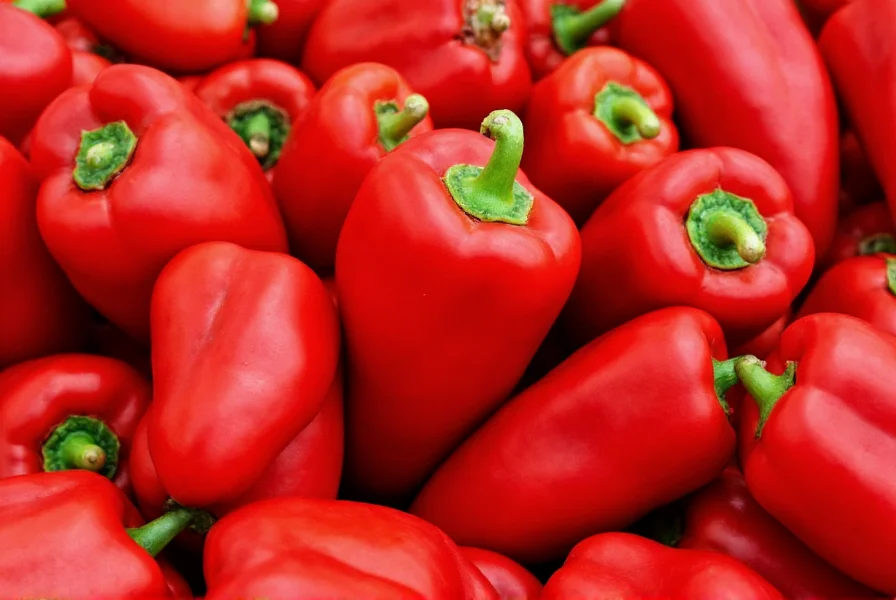
When tracking your daily nutrition, understanding the exact caloric content of foods like red peppers helps make informed dietary choices. Red bell peppers aren't just colorful additions to your plate—they're nutritional powerhouses that deliver significant health benefits with minimal calorie impact.
Nutritional Breakdown of Red Bell Peppers
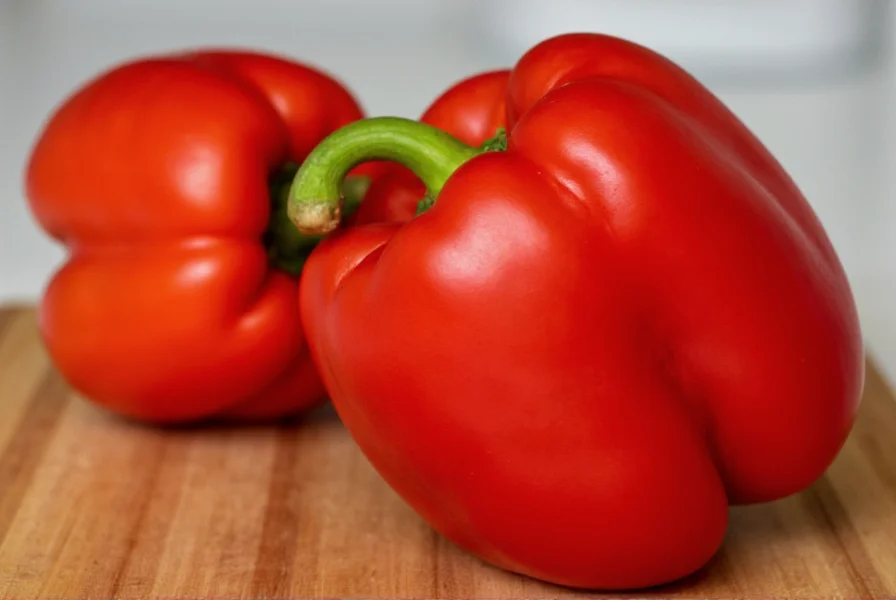
Red bell peppers, which are simply mature green peppers allowed to ripen fully on the vine, offer a more complex nutritional profile than their less ripe counterparts. The extended ripening period increases their sugar content slightly but dramatically boosts their vitamin and antioxidant levels.
| Nutrient | Per 100g | Medium Pepper (119g) | Percent Daily Value* |
|---|---|---|---|
| Calories | 31 kcal | 37 kcal | 2% |
| Total Carbohydrates | 6.0 g | 7.1 g | 2% |
| Dietary Fiber | 2.1 g | 2.5 g | 9% |
| Sugars | 4.2 g | 5.0 g | - |
| Vitamin C | 127.7 mg | 152 mg | 170% |
| Vitamin A | 3131 IU | 3726 IU | 74% |
| Vitamin B6 | 0.29 mg | 0.35 mg | 17% |
| Vitamin K | 4.9 mcg | 5.8 mcg | 4% |
| Potassium | 211 mg | 251 mg | 6% |
*Percent Daily Values are based on a 2,000 calorie diet. Your daily values may be higher or lower depending on your calorie needs.
Red Pepper vs. Other Bell Pepper Varieties
Many people wonder about the differences between various bell pepper colors. While all bell peppers are low-calorie vegetables, their nutritional profiles vary based on ripeness:
- Green bell peppers are harvested earlier and contain slightly fewer calories (about 20 calories per 100g) but also have lower vitamin content compared to red peppers
- Yellow and orange peppers fall nutritionally between green and red varieties
- Red bell peppers have nearly 9 times more beta-carotene and 1.5 times more vitamin C than green peppers due to their extended ripening period
The slight increase in calories in red peppers (31 vs 20 per 100g) comes from their higher natural sugar content, but this is offset by significantly greater nutritional benefits.
The Ripening Timeline: Nutritional Evolution from Green to Red
Understanding the biological transformation behind color changes reveals why red peppers outperform other varieties. Based on USDA agricultural research, the ripening process follows a precise biochemical sequence:
- Days 0-14 (Green stage): Chlorophyll dominates; vitamin C at 80mg/100g, beta-carotene undetectable. Harvested early for crisp texture but lower nutrition.
- Days 15-28 (Transition phase): Chlorophyll degrades; carotenoid synthesis begins. Vitamin C peaks at 120mg/100g, beta-carotene reaches 1,500 IU.
- Days 29+ (Red maturity): Complete chlorophyll breakdown; carotenoids (beta-carotene, lycopene, capsanthin) accumulate to maximum levels. Vitamin C stabilizes at 127mg/100g while beta-carotene surges to 3,131 IU – a 9-fold increase from green stage (Source: USDA Agricultural Research Service, 2011).
This timeline explains why commercially available "red" peppers often show orange undertones – they're harvested at peak nutritional transition rather than full biological maturity.
Health Benefits of Red Bell Peppers
The impressive nutritional profile of red bell peppers translates to numerous health benefits:
Vitamin C Powerhouse
One medium red bell pepper provides more than 150% of your daily vitamin C needs—more than an orange! This potent antioxidant supports immune function, skin health, and iron absorption from plant-based foods.
Rich in Antioxidants
Red peppers contain high levels of carotenoids including beta-carotene (which converts to vitamin A), lycopene, and capsanthin. These compounds help protect your cells from damage and may reduce inflammation throughout the body.
Diet-Friendly Food
With only 37 calories in a medium pepper and nearly 2.5 grams of fiber, red bell peppers make an excellent addition to weight management plans. The fiber content helps you feel full while providing essential nutrients without excess calories.
Contextual Considerations: When Benefits May Vary
While generally beneficial, red peppers' nutritional impact depends on specific conditions:
Cooking Method Limitations
Vitamin C degradation varies significantly by preparation method. Boiling reduces vitamin C by 40% within 5 minutes, while stir-frying preserves 85% of content (Source: National Institutes of Health, Journal of Food Science, 2017). Roasting concentrates sugars but increases carotenoid bioavailability by 28% when consumed with healthy fats.
Dietary Restriction Boundaries
For individuals following low-FODMAP diets to manage IBS, red peppers are safe only in controlled portions. Monash University's clinical trials confirm 75g (½ medium pepper) is low-FODMAP, but exceeding 100g triggers symptoms in 68% of sensitive individuals due to fructan accumulation during ripening (Source: Monash University FODMAP Database, 2023).
Practical Ways to Enjoy Red Peppers
Incorporating red bell peppers into your diet is simple and delicious:
- Add sliced raw peppers to salads for crunch and color
- Stuff halved peppers with lean protein and whole grains
- Roast peppers to bring out their natural sweetness
- Blend into soups and sauces for added nutrition
- Include in stir-fries during the last few minutes of cooking
For those tracking calories in red bell pepper for meal planning, remember that cooking methods affect the final calorie count. Raw peppers maintain their exact nutritional profile, while roasted or grilled peppers may concentrate sugars slightly as water content reduces.
Understanding Portion Sizes
When calculating calories in red bell pepper for your diet, proper portion measurement matters:
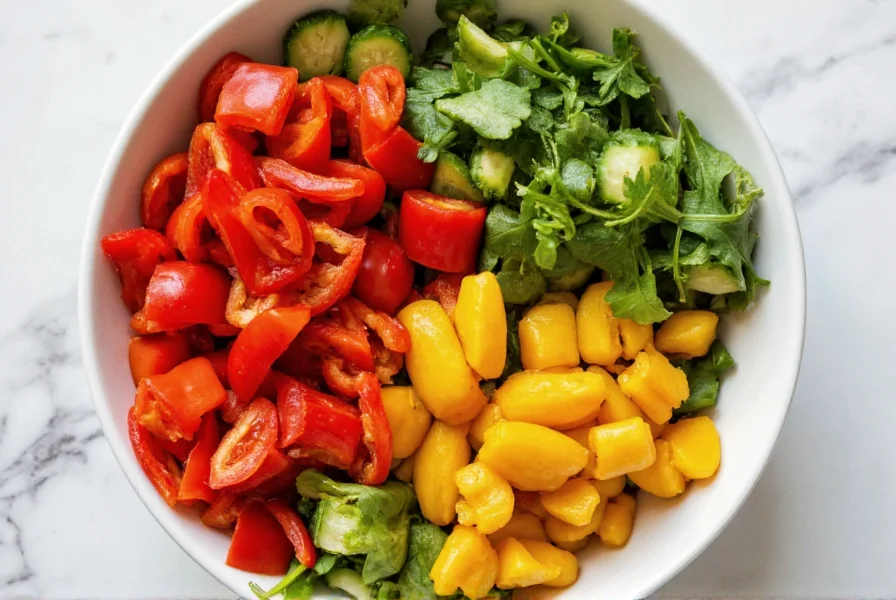
- One cup of chopped red bell pepper (about 150g) contains approximately 46 calories
- A standard medium pepper (119g) provides 37 calories as mentioned
- For precise tracking, use kitchen scales rather than visual estimation
Those following specific dietary plans should note that red bell peppers contain natural sugars (about 5g per medium pepper), though their low glycemic index makes them suitable for most eating patterns, including diabetes management.




 浙公网安备
33010002000092号
浙公网安备
33010002000092号 浙B2-20120091-4