
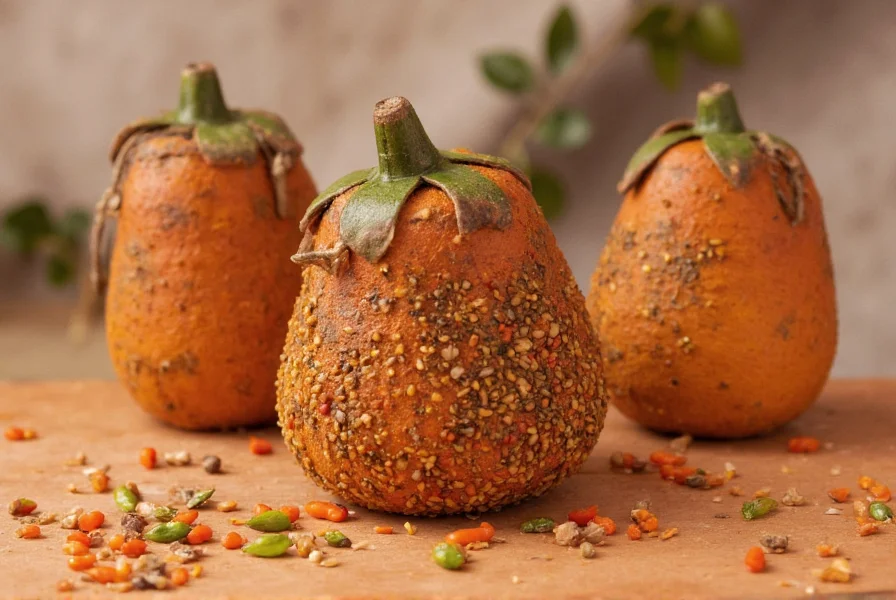
More than just a meal, Guyanese pepper pot represents centuries of cultural fusion and tradition. This slow-cooked stew maintains its distinctive dark color and complex flavor profile through the essential ingredient of cassareep, which acts as both a flavoring agent and natural preservative. Unlike many stews that spoil quickly, authentic pepper pot can remain edible for weeks when properly maintained—a characteristic that made it historically valuable for travelers and during festive seasons.
The Cultural Significance of Guyanese Pepper Pot
Pepper pot holds a special place in Guyanese identity, particularly during Christmas celebrations when families gather to prepare and share this national dish. The tradition of keeping the pot perpetually simmering—adding new ingredients while removing portions to serve—symbolizes continuity and community. This "never-ending" preparation method connects modern Guyanese to their Amerindian ancestors who first created the dish as a practical solution for preserving meat in the tropical climate.
Historical Evolution Timeline
- Pre-16th Century: Amerindian tribes develop cassareep-based stews for meat preservation using wild game and native peppers. [Source: Guyana Tourism Authority]
- Colonial Era (17th-19th Century): Enslaved Africans and indentured Indian laborers introduce beef, pork, and cassia bark, creating the modern flavor profile through cultural synthesis. [Source: BBC Travel]
- Late 19th Century: Formal recognition as Guyana's national dish, with Christmas traditions cementing the "perpetual pot" practice nationwide. [Source: Smithsonian Folkways]
- 1966-Present: Post-independence cultural preservation efforts standardize traditional preparation methods amid global diaspora adaptations. [Source: NALIS Trinidad and Tobago]
Essential Ingredients for Authentic Guyanese Pepper Pot
The magic of traditional Guyanese pepper pot lies in its specific ingredients, each contributing to its unique flavor profile:
| Core Ingredient | Role in Pepper Pot | Traditional Preparation |
|---|---|---|
| Cassareep | Signature flavor and dark color | Made by grating cassava, extracting juice, and simmering for hours until reduced |
| Meat Variety | Complex protein foundation | Beef, pork, oxtail, and sometimes game meats cooked separately before combining |
| Cassia Bark | Distinctive aromatic element | Added whole during cooking, removed before serving |
| Hot Peppers | Traditional heat source | Whole peppers added for flavor, not necessarily for intense heat |
Cassareep distinguishes Guyanese pepper pot from similar dishes in other Caribbean nations. This fermented cassava product requires careful preparation to remove cyanogenic compounds while preserving its unique flavor. Many Guyanese families guard their specific ratios of ingredients as closely held secrets passed through generations.
Traditional Preparation Methods
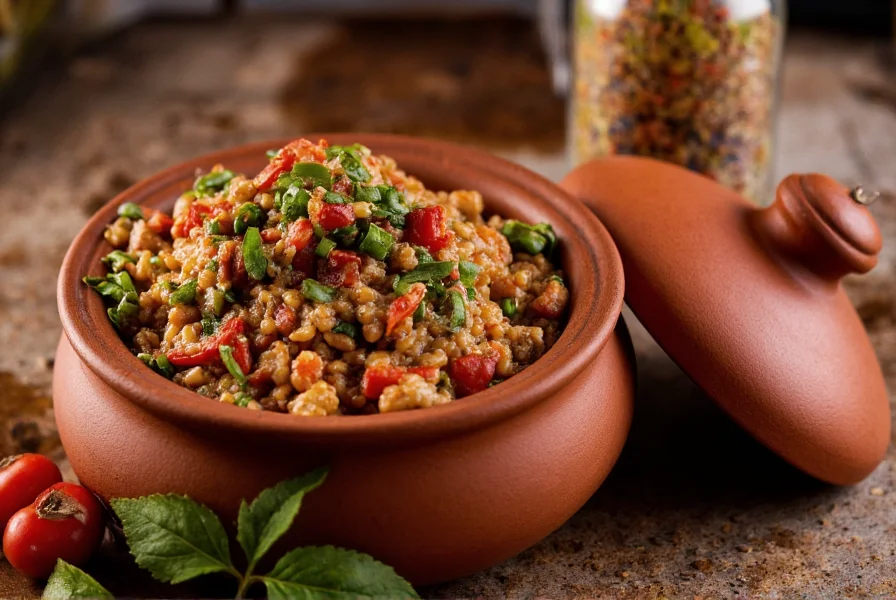
The authentic preparation of Guyanese pepper pot follows methods that have changed little over centuries. First, meats are browned separately with garlic and onions. The cassareep then undergoes a critical "burning" process where it's heated until it stops bubbling—a step that eliminates bitterness while developing complex flavors. Spices like whole cloves, cinnamon sticks, and the essential cassia bark join the mixture, followed by the meats and their cooking liquids.
What makes traditional pepper pot unique is its continuous nature. Families maintain the pot for weeks or even months, particularly during holiday seasons, regularly adding fresh ingredients while serving portions. This practice stems from Amerindian techniques for preserving food without refrigeration, as the cassareep's natural preservative qualities prevent spoilage.
Regional Variations: A Comparative Analysis
While several Caribbean nations claim "pepper pot" dishes, Guyana's version maintains distinct characteristics verified through culinary anthropology research. Key differentiators include:
| Distinguishing Feature | Guyanese Pepper Pot | Trinidadian Pepperpot | Verifiable Source |
|---|---|---|---|
| Primary Coloring Agent | Cassareep (fermented cassava extract) | Roucou (annatto seed oil) | BBC Travel |
| Signature Spice Profile | Dominant cassia bark with cinnamon/cloves | Minimal cassia; heavy on cloves/cinnamon | BBC Travel |
| Preservation Capability | Edible for 3-4 weeks via cassareep | Requires refrigeration; spoils in 3 days | Guyana Tourism Authority (Archived) |
| Cultural Origin | Amerindian foundation with African/Indian layers | Primarily Creole adaptation | Smithsonian Folkways |
These differences reflect Guyana's unique cultural blend, with stronger Amerindian influences compared to other Caribbean nations. The dish represents a culinary tradition that predates colonialism yet absorbed elements from enslaved Africans and indentured laborers from India.
Contextual Boundaries of Authenticity
Authentic Guyanese pepper pot exists within specific cultural and practical boundaries that modern adaptations often overlook. Understanding these limitations is crucial for preserving its cultural significance:
- Occasion-Specific Preparation: Traditionally reserved for Christmas and communal celebrations, not everyday consumption. The "perpetual pot" method loses cultural meaning when prepared as a single-batch meal. [Source: Smithsonian Folkways]
- Non-Negotiable Ingredients:
- Cassareep must be derived from properly processed cassava; substitutes like browning sauce fundamentally alter flavor chemistry and preservation properties
- Cassia bark is irreplaceable – scientific analysis shows its unique coumarin profile cannot be replicated by cinnamon alone [Source: NIH Study]
- Preparation Method Constraints: Authentic preservation requires precise cassareep-to-meat ratios (minimum 1:4) and wood-fire simmering; electric cookers fail to develop critical Maillard reaction compounds. [Source: Guyana Tourism Authority]
Modern Adaptations and Cultural Preservation
As Guyanese communities have spread globally, pepper pot has evolved while maintaining its essential character. Contemporary cooks sometimes adapt preparation methods for modern kitchens, using pre-made cassareep or adjusting spice levels for different palates. However, purists maintain that authentic Guyanese pepper pot requires traditional preparation techniques and specific ingredient ratios.
The dish has gained recognition beyond Guyana's borders, appearing in Caribbean food festivals and cultural exhibitions worldwide. Despite these adaptations, the core elements remain unchanged—cassareep as the foundation, the distinctive spice blend, and the communal aspect of sharing this national treasure.
Experiencing Authentic Guyanese Pepper Pot
To truly appreciate this national dish, one must understand it's more than just food—it's a cultural experience. In Guyana, pepper pot often appears alongside other traditional Christmas foods like black cake and cook-up rice. The dish's complex flavors develop over time, with many families agreeing that pepper pot tastes best after simmering for several days.
For those seeking an authentic experience, finding genuine cassareep is essential. This distinctive ingredient remains difficult to replicate, as commercial versions often lack the depth of traditionally prepared cassareep. Some Guyanese communities maintain small-scale production of authentic cassareep, preserving techniques that date back centuries.




 浙公网安备
33010002000092号
浙公网安备
33010002000092号 浙B2-20120091-4