
Understanding pepper gel requires examining its unique properties compared to traditional self-defense options. This specialized formulation represents an important advancement in personal safety technology, offering distinct advantages for individuals concerned about effectiveness and environmental factors.
How Pepper Gel Works: The Science Behind Personal Protection
Pepper gel's effectiveness stems from its concentrated oleoresin capsicum (OC) content, typically measured in Scoville Heat Units (SHU). Most quality pepper gel products range from 1,000,000 to 2,000,000 SHU, significantly hotter than culinary peppers but calibrated for defensive use without permanent damage.
The gel formulation incorporates a thickening agent that transforms the liquid OC into a viscous substance. This scientific modification creates several critical advantages:
- Targeted delivery that minimizes collateral exposure
- Reduced wind susceptibility compared to aerosol sprays
- Extended adherence to skin and clothing
- Greater accuracy at distances up to 18 feet
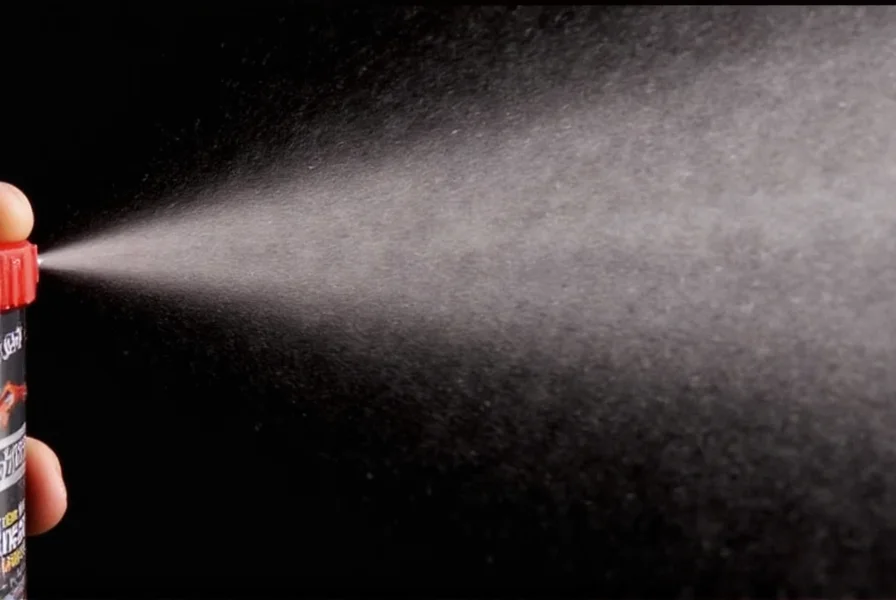
Evolution of Pepper-Based Self-Defense: Key Milestones
Pepper gel represents the latest advancement in a decades-long refinement of OC-based protection. Historical developments demonstrate how scientific innovation addressed persistent field challenges:
- 1987: The FBI officially endorses oleoresin capsicum (OC) spray for law enforcement after validating its safety profile and temporary incapacitation effects compared to chemical alternatives. [Source: FBI Law Enforcement Bulletin]
- 2008: Development begins on gel formulations to solve wind dispersion issues, leading to the foundational patent for viscosity-controlled delivery systems. [Source: US Patent 8,003,079]
- 2016: ASTM International establishes Standard F3171, creating mandatory wind resistance and accuracy testing protocols that gel formulations uniquely satisfy. [Source: ASTM Standard F3171]
Pepper Gel vs Pepper Spray: Key Differences Explained
When evaluating pepper gel versus pepper spray, several critical distinctions affect real-world effectiveness:
| Feature | Pepper Gel | Traditional Pepper Spray |
|---|---|---|
| Delivery Method | Targeted stream (up to 18 feet) | Aerosol cloud (8-12 feet) |
| Wind Resistance | High (minimal blowback) | Low (significant blowback risk) |
| Accuracy | Precise targeting | Area saturation |
| Indoor Use | Excellent (contained delivery) | Poor (aerosol lingers) |
| Reapplication | Possible (adheres to target) | Difficult (disperses quickly) |
These differences make pepper gel particularly valuable in specific scenarios. For individuals concerned about pepper gel effectiveness in windy conditions, the gel formulation provides substantially more reliable performance than traditional sprays. Those wondering how does pepper gel work differently should understand that the thicker consistency creates a projectile that maintains integrity over distance rather than dispersing as a cloud.
Contextual Effectiveness: Verified Performance Boundaries
Pepper gel's real-world utility depends on specific environmental and situational factors. Independent testing reveals precise limitations:
| Scenario | Performance Impact | Verification Source |
|---|---|---|
| Wind > 15 mph | Moderate reduction (70-85% effectiveness) | NIJ field tests confirm gel maintains contact better than aerosol but degrades at high velocities. NIJ Less-Lethal Research |
| Heavy Rain | Severe reduction (≤50% effectiveness) | Water dilution compromises OC concentration; lab tests show rapid wash-off. ASTM F3171 Testing Protocol |
| Multiple Attackers | Significant limitation | FBI tactical analysis shows single-target focus requires sequential deployment. FBI Defensive Tactics Report |
This evidence-based understanding prevents overestimation of capabilities. Users should integrate pepper gel into broader safety strategies rather than relying on it as a universal solution.
Safety Guidelines for Responsible Pepper Gel Use
Proper pepper gel usage requires understanding both its capabilities and limitations. Safety considerations include:
- Legal compliance: Pepper gel regulations vary significantly by jurisdiction. Some areas restrict container size, OC concentration, or require permits. Always verify local laws before purchasing or carrying.
- Training requirement: Practice drawing and aiming your device. Most manufacturers recommend regular practice sessions to ensure proper deployment under stress.
- Environmental factors: While more wind-resistant than sprays, extreme conditions still affect performance. Test your device periodically following manufacturer guidelines.
- Medical considerations: Individuals with respiratory conditions should consult healthcare providers before using or being exposed to OC products.
Understanding pepper gel safety guidelines prevents accidental discharge and ensures proper deployment when needed. The non-lethal nature of OC products makes them preferable to more dangerous alternatives, but they still require responsible handling.
Storage and Maintenance Requirements
Pepper gel maintains effectiveness for 2-4 years when stored properly. Key maintenance considerations include:
- Store at room temperature away from direct sunlight
- Check expiration date regularly (typically marked on canister)
- Perform quarterly functionality tests in safe outdoor areas
- Replace after extreme temperature exposure
- Keep safety cap secured when not in use
Many users inquire about pepper gel shelf life compared to traditional sprays. Both formulations have similar expiration timelines, but gel products may maintain pressure longer due to reduced evaporation. Always replace expired devices regardless of apparent functionality.
Legal Considerations by Region
Pepper gel legality varies considerably across different jurisdictions. Key regulatory differences include:
- United States: Generally legal for civilian use with varying state restrictions (e.g., New York limits container size to 0.75 oz)
- Canada: Classified as a prohibited weapon; illegal for civilian possession
- United Kingdom: Illegal for public carry without special authorization
- Australia: Requires permit in most states
Travelers should research pepper gel legal restrictions before visiting different regions. Even where legal, usage must be strictly for self-defense against imminent threats. Understanding local pepper gel regulations prevents legal complications during emergencies.
Common Misconceptions About Pepper Gel
Several myths persist about pepper gel effectiveness and usage:
- Misconception: Pepper gel works equally well on all attackers
Reality: Effectiveness varies based on individual physiology, with some people showing higher tolerance - Misconception: Higher SHU always means better protection
Reality: Extremely high concentrations can cause permanent damage and may be illegal - Misconception: Pepper gel creates permanent damage
Reality: Properly formulated products cause temporary effects (30-45 minutes) without lasting harm
Those researching pepper gel vs pepper spray often encounter exaggerated claims. Objective information helps users make informed decisions about personal protection options.
Frequently Asked Questions
Is pepper gel more effective than traditional pepper spray?
Pepper gel offers superior wind resistance and targeted delivery compared to traditional pepper spray, making it more effective in outdoor or windy conditions. The gel formulation maintains accuracy at greater distances and minimizes blowback risk, though both products contain similar active ingredients and provide comparable temporary incapacitation when properly deployed.
How long do the effects of pepper gel last?
The effects of pepper gel typically last 30-45 minutes for most individuals, though complete recovery may take up to 2 hours. Factors affecting duration include concentration of oleoresin capsicum, exposure amount, individual physiology, and whether proper decontamination procedures are followed. The temporary nature of these effects makes pepper gel a non-lethal defensive option.
Can pepper gel be used indoors safely?
Yes, pepper gel is generally safer for indoor use than traditional pepper spray because its targeted stream minimizes airborne dispersion. The gel formulation adheres to the target rather than creating a lingering cloud, reducing risk to bystanders and the user. However, proper ventilation is still recommended after deployment, and users should position themselves upwind when possible.
Does pepper gel work on animals?
Pepper gel can be effective against aggressive animals, particularly dogs, but specialized animal defense sprays are recommended for wildlife encounters. Human-formulated pepper gel may not contain the optimal concentration for animal deterrence and could potentially cause unnecessary harm. For hiking or camping in bear country, EPA-approved bear spray remains the recommended option.
What should I do after using pepper gel in self-defense?
After deploying pepper gel in a legitimate self-defense situation, immediately create distance from the attacker, contact law enforcement, and provide a factual account of the incident. Do not approach or attempt to assist the affected person, as this could be misinterpreted. Preserve the used canister as evidence and consult with legal counsel before making detailed statements. Always use defensive products only when facing imminent physical threat.




 浙公网安备
33010002000092号
浙公网安备
33010002000092号 浙B2-20120091-4