

Originating as a humble diner staple, the pepper egg sandwich has gained popularity among home cooks seeking quick, nutritious meals. Unlike basic egg sandwiches, this version incorporates bell peppers' natural sweetness and vitamin content, creating a balanced dish that satisfies without heavy ingredients. The magic happens when the peppers release their sugars during cooking, caramelizing slightly to enhance the overall flavor profile.
Essential Ingredients Explained
Creating the perfect pepper egg sandwich requires attention to ingredient quality and proportions. While variations exist, these core components form the foundation of an exceptional sandwich:
| Ingredient | Recommended Amount | Why It Matters |
|---|---|---|
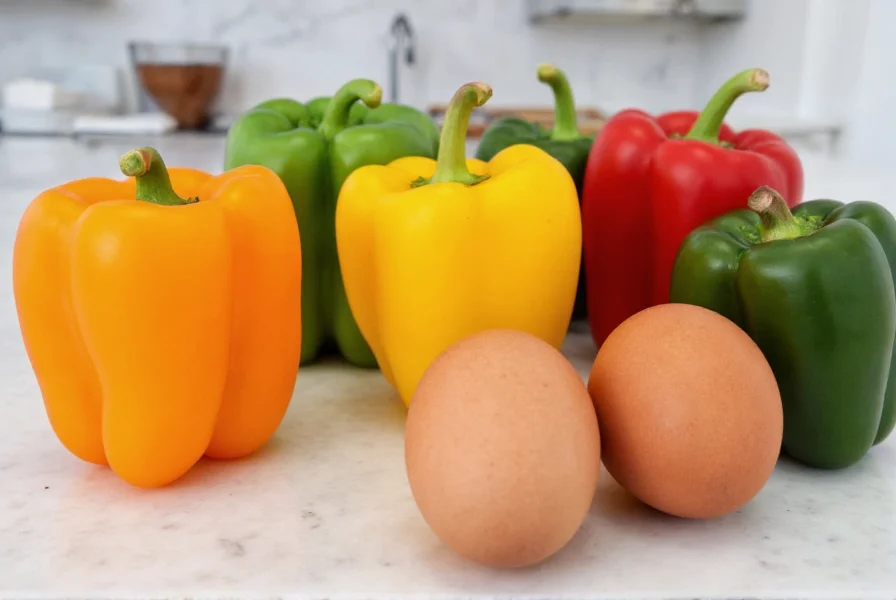
| Bell peppers (any color) | 1 medium, thinly sliced | Provides sweetness, texture, and vitamin C; red peppers offer highest nutrient content |
| Eggs | 2 large | Creates the protein base; fresh eggs yield creamier texture |
| Bread | 2 slices | Choose hearty varieties like sourdough or whole grain for structural integrity |
| Olive oil or butter | 1 tbsp | Prevents sticking and enhances flavor development |
Step-by-Step Preparation Guide
Follow these precise steps for restaurant-quality results at home. This easy pepper egg sandwich instructions method ensures perfectly cooked components every time:
- Prepare peppers: Thinly slice one bell pepper into uniform strips. Consistent sizing ensures even cooking.
- Sauté peppers: Heat olive oil in non-stick skillet over medium heat. Add peppers with pinch of salt and cook 5-7 minutes until tender-crisp.
- Whisk eggs: While peppers cook, beat eggs with 1 tbsp milk, salt, and black pepper until fully blended.
- Cook eggs: Push peppers to one side of skillet, pour eggs into empty space. Gently stir as they set, incorporating peppers when eggs are mostly firm but still slightly wet.
- Toast bread: Meanwhile, toast bread until golden. For best results, butter the outer sides before toasting.
- Assemble: Transfer egg-pepper mixture onto bottom slice. Add optional cheese or greens. Top with second bread slice.
Pro Cooking Techniques
Master these techniques to elevate your best pepper egg sandwich recipe beyond basic preparation:
Temperature control: Maintain medium heat throughout cooking. Too high causes rubbery eggs and burnt peppers; too low makes vegetables soggy. The ideal temperature allows eggs to set gradually while peppers soften without browning excessively.
Egg texture secret: Remove eggs from heat when slightly underdone—they'll continue cooking from residual heat. This prevents the dry, overcooked texture that ruins many homemade versions of this quick breakfast pepper egg sandwich.
Pepper selection: While red, yellow, and orange peppers offer sweeter flavor, green peppers provide a more traditional diner-style taste. For complex flavor, combine two colors. Always remove seeds and white membranes for optimal texture.
Delicious Variations to Try
Customize your pepper egg sandwich variations with these chef-inspired options:
- Southwest style: Add diced jalapeño with the peppers and top with avocado slices and cilantro
- Mediterranean twist: Include crumbled feta cheese and sun-dried tomatoes in the egg mixture
- Breakfast classic: Layer with crispy bacon or Canadian bacon before adding egg mixture
- Healthy alternative: Use whole wheat English muffin instead of regular bread for added fiber

Serving and Storage Tips
Enjoy your pepper egg sandwich immediately for best texture. If preparing ahead, store components separately:
- Cooked peppers keep refrigerated for 3 days in airtight container
- Assembled sandwiches reheat poorly—better to reassemble with fresh components
- For meal prep, cook peppers in bulk and scramble eggs fresh each morning
Pair your healthy pepper egg sandwich with fresh fruit or a simple green salad for complete meal. The natural sweetness of berries contrasts beautifully with the savory sandwich components.
Nutritional Benefits
This balanced meal delivers significant nutritional value without excessive calories. A standard pepper egg sandwich contains:
- Approximately 300 calories
- 18g high-quality protein from eggs
- 2g dietary fiber from peppers and whole grain bread
- 100% of daily vitamin C needs from bell peppers
- Essential B vitamins and choline from eggs
The combination of protein and fiber creates lasting satiety, making this an excellent choice for those seeking substantial yet light morning meals. Unlike many breakfast options heavy in refined carbohydrates, the spicy pepper egg sandwich provides steady energy without blood sugar spikes.
Can I make a pepper egg sandwich ahead of time?
While you can prepare components ahead, we don't recommend assembling the complete sandwich in advance. Cook peppers and store separately for up to 3 days. Scramble eggs fresh each morning for optimal texture. Assembled sandwiches become soggy as the bread absorbs moisture from the fillings.
What's the best bread for a pepper egg sandwich?
Choose hearty breads that maintain structure when filled with moist ingredients. Sourdough, whole grain, or ciabatta work best. Avoid soft sandwich breads that become soggy quickly. For gluten-free options, sturdy gluten-free artisan breads perform better than standard GF sandwich loaves.
How do I prevent my pepper egg sandwich from becoming watery?
Prevent sogginess by thoroughly cooking peppers to evaporate excess moisture, removing eggs from heat when slightly underdone (they'll finish cooking off-heat), and toasting bread until crisp. You can also place a lettuce leaf between the bread and filling to create a moisture barrier.
Can I add cheese to my pepper egg sandwich?
Absolutely. Add cheese during the final minute of egg cooking so it melts perfectly. Cheddar, Swiss, or pepper jack work well with peppers. For dairy-free options, try nutritional yeast or vegan cheese alternatives that melt well.
What makes a pepper egg sandwich different from a regular egg sandwich?
The addition of sautéed bell peppers transforms this sandwich with natural sweetness, added texture, and significant nutritional benefits. Peppers contribute vitamin C, fiber, and complex flavors that plain egg sandwiches lack. The vegetable component creates a more balanced meal with better satiety.




 浙公网安备
33010002000092号
浙公网安备
33010002000092号 浙B2-20120091-4