
When searching for what is a pepper chilli restaurant, it's important to understand this isn't usually a single global chain but rather a common naming convention for eateries specializing in spicy cuisine. These establishments build their identity around the diverse world of peppers—from mild bell peppers to fiery ghost peppers—creating menus that celebrate heat, flavor complexity, and regional spice traditions.
The Culinary Foundation of Pepper Chilli Restaurants
Pepper chilli restaurants distinguish themselves through their thoughtful use of Capsicum varieties. Unlike standard restaurants that might offer one or two spicy options, these specialized venues feature peppers as the star ingredient across multiple dishes. The best pepper chilli restaurant menu options showcase seasonal availability, regional specialties, and varying Scoville heat units to accommodate different tolerance levels.
Authentic establishments often categorize their offerings by heat level, providing clear guidance so diners can navigate the spice spectrum confidently. This structured approach transforms what might seem intimidating into an accessible culinary adventure.
| Pepper Type | Scoville Range | Common Culinary Use | Regional Association |
|---|---|---|---|
| Jalapeño | 2,500-8,000 | Salsas, pickled dishes | Mexico |
| Serrano | 10,000-23,000 | Fresh salsas, sauces | Mexico |
| Thai Bird's Eye | 50,000-100,000 | Curries, stir-fries | Thailand |
| Habanero | 100,000-350,000 | Caribbean sauces | Caribbean |
| Ghost Pepper | 800,000-1,041,427 | Specialty challenges | India |
The Evolution of Pepper-Centric Dining: A Historical Timeline
Understanding the historical progression of peppers in culinary culture reveals why dedicated pepper restaurants emerged. This evolution demonstrates how global trade transformed regional ingredients into specialized dining concepts:
- 7500 BCE: First domestication of chili peppers in central-east Mexico, with archaeological evidence from Puebla (Source: Chile Pepper Institute, New Mexico State University)
- 1493 CE: Christopher Columbus introduces chili peppers to Europe after encountering them in the Caribbean, initiating their global spread
- 16th Century: Portuguese traders transport chili peppers to Africa and Asia, where they integrate into local cuisines (e.g., Sichuan province in China adopts chilies by 1570)
- 1970s-1980s: First wave of regional spicy cuisine restaurants (Sichuan, Thai, Mexican) gains popularity in Western markets
- 2005-Present: Dedicated "pepper chilli restaurants" emerge, focusing explicitly on Capsicum diversity with Scoville-based menu systems and heat challenge events
This timeline illustrates how peppers evolved from localized ingredients to the foundation of specialized dining experiences, driven by centuries of agricultural exchange and culinary innovation.
What Defines an Authentic Pepper Chilli Dining Experience
True pepper chilli restaurant dining experience venues go beyond simply serving hot food. They educate diners about pepper varieties, their origins, and proper pairing with other ingredients. The most reputable establishments provide detailed descriptions of heat levels and flavor profiles, allowing guests to make informed choices rather than relying solely on numerical Scoville ratings.
When evaluating how to choose authentic pepper chilli cuisine, look for restaurants that:
- Source peppers from specific regions known for those varieties
- Offer tasting menus that progress through heat levels
- Train staff to guide customers through spice tolerance
- Balance heat with complementary flavors like sweetness, acidity, and umami
- Maintain consistency in spice levels across visits
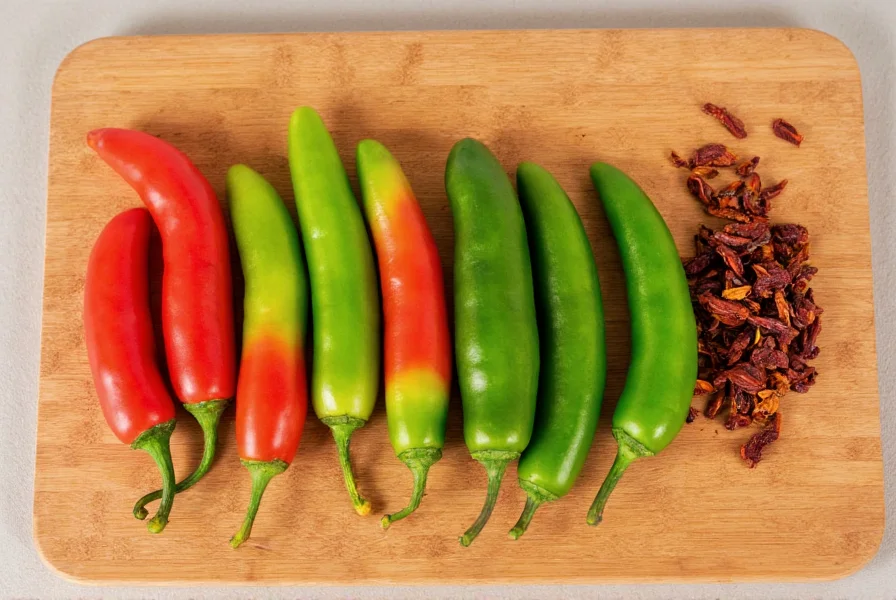
Navigating the Menu: A Practical Guide
First-time visitors to a spicy food restaurant specializing in peppers often feel overwhelmed by menu options. Understanding the terminology can transform your experience:
- "Mild" typically means bell peppers or poblanos (0-2,000 Scoville)
- "Medium" usually features jalapeños or guindillas (2,500-8,000 Scoville)
- "Hot" commonly uses serranos or fresnos (10,000-23,000 Scoville)
- "Very Hot" often incorporates habaneros or Thai chilies (50,000-100,000 Scoville)
- "Extreme" challenges feature ghost peppers or Carolina reapers (800,000+ Scoville)
Many quality establishments now offer pepper chilli restaurant menu customization, allowing you to adjust heat levels to your preference. Don't hesitate to ask about substitutions or modifications—reputable venues expect these requests and accommodate them gracefully.
Regional Variations in Pepper-Centric Cuisine
The term authentic pepper chilli cuisine varies significantly by region. In Sichuan China, restaurants focus on the numbing heat of Sichuan peppercorns combined with dried chilies. Thai establishments emphasize fresh bird's eye chilies in balance with lime and fish sauce. Mexican pepper chilli restaurants highlight the complexity of dried ancho, guajillo, and chipotle peppers.
When searching for the best pepper chilli restaurant near me, consider what regional style appeals to you most. Some venues specialize in one tradition, while others offer a global tour of pepper cuisine. The most versatile restaurants provide clear guidance about which dishes represent which culinary tradition.
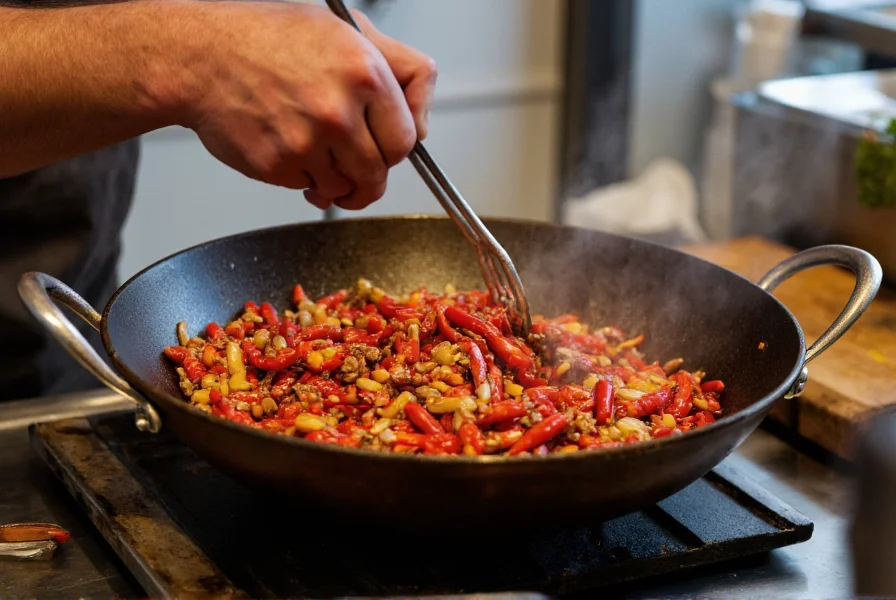
Contextual Considerations: When Peppers Shine and When to Proceed with Caution
Pepper applications require understanding specific constraints to ensure safety and optimal flavor. Research from culinary institutions identifies critical context boundaries:
- Health Limitations: Individuals with gastrointestinal conditions (IBS, ulcers) should avoid peppers exceeding 500,000 Scoville units. The Chile Pepper Institute notes capsaicin can trigger symptom flare-ups despite potential long-term benefits (Chile Pepper Institute Health Guidelines)
- Culinary Appropriateness: Ghost peppers work best in minute quantities for sauces (e.g., Northeast Indian curries) but overwhelm delicate dishes like seafood. They're unsuitable for everyday consumption due to sensory fatigue
- Cultural Authenticity: Sichuan "mala" (numbing-spicy) requires specific Sichuan peppercorn ratios—substituting regular chilies misses the critical hydroxy-alpha sanshool component central to the cuisine
- Heat Progression: Building tolerance requires gradual exposure. Restaurants offering structured tasting menus (starting below 5,000 Scoville) align with evidence-based desensitization approaches documented in food science literature
Recognizing these boundaries helps diners navigate menus intelligently and enjoy peppers safely across diverse culinary contexts.
Practical Tips for Your Visit
Maximize your pepper chilli restaurant dining experience with these evidence-based recommendations:
- Start with milder dishes to awaken your palate gradually
- Pair spicy foods with dairy-based accompaniments (yogurt, cheese) which neutralize capsaicin better than water
- Ask about the restaurant's signature pepper blends—they often feature house-made mixes
- Consider visiting during off-peak hours for more personalized guidance from staff
- Take notes on which peppers you enjoy for future reference
Remember that genuine pepper chilli restaurant menu options should emphasize flavor alongside heat. The finest establishments create dishes where spice enhances rather than overwhelms the culinary experience.
Frequently Asked Questions
What exactly defines a pepper chilli restaurant?
A pepper chilli restaurant specializes in dishes featuring various pepper and chili varieties as central ingredients. These establishments focus on global spicy food traditions, particularly from regions like Sichuan, Thailand, Mexico, and India. They typically categorize dishes by heat level and provide detailed information about pepper varieties, origins, and flavor profiles rather than just serving hot food.
How can I determine if a pepper chilli restaurant is authentic?
Authentic pepper chilli restaurants demonstrate expertise through specific pepper sourcing, regional culinary knowledge, and balanced flavor profiles. Look for detailed menu descriptions of pepper varieties, staff trained in spice education, and dishes that showcase peppers as integral components rather than just sources of heat. Authentic venues often highlight specific regional traditions rather than offering generic 'spicy' dishes.
What should I expect from a typical pepper chilli restaurant menu?
A typical pepper chilli restaurant menu categorizes dishes by heat level with clear Scoville references, features regional specialties from global spicy cuisine traditions, and provides flavor profile information beyond just heat. You'll find dishes highlighting specific pepper varieties, house-made sauces, and thoughtful pairings that balance heat with complementary flavors like sweetness, acidity, and umami. Many offer customization options for spice tolerance.
How do I handle extreme spice levels at pepper chilli restaurants?
To handle extreme spice levels, start with milder dishes to gradually awaken your palate, pair spicy foods with dairy-based accompaniments (which neutralize capsaicin better than water), and don't hesitate to ask staff for guidance on heat progression. Reputable establishments provide clear warnings about extreme dishes and often require acknowledgment before serving them. Remember that drinking milk or eating yogurt is more effective than water for cooling your mouth.




 浙公网安备
33010002000092号
浙公网安备
33010002000092号 浙B2-20120091-4