
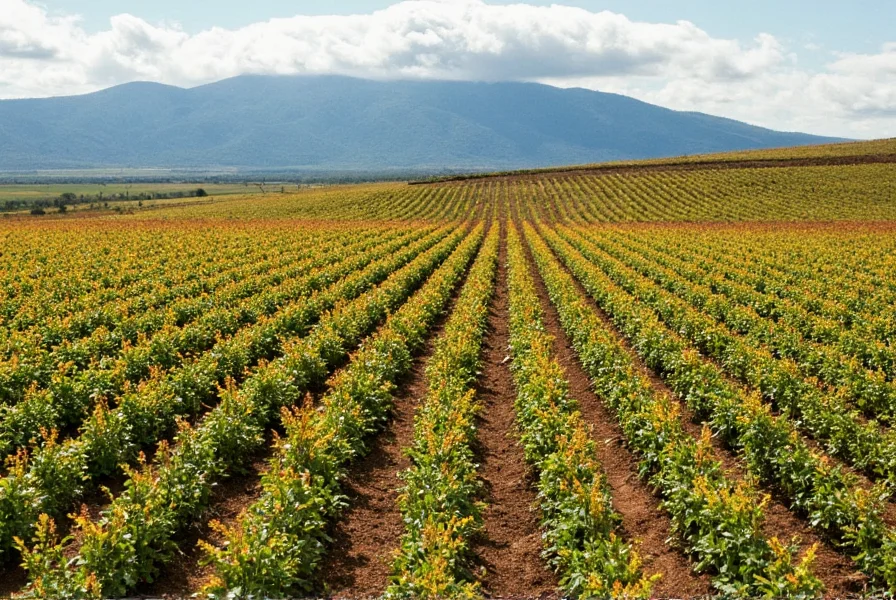
Pepper agriculture represents one of the most economically significant horticultural sectors worldwide, with global production exceeding 38 million metric tons annually according to the Food and Agriculture Organization (FAO). This versatile crop serves both culinary and industrial applications, from fresh market consumption to processing for sauces, powders, and medicinal extracts. Understanding the complete agricultural cycle—from seed selection to post-harvest handling—is essential for growers seeking sustainable and profitable pepper production.
Understanding Pepper Varieties in Commercial Agriculture
Commercial pepper agriculture primarily focuses on two botanical classifications: Capsicum annuum (encompassing bell peppers, jalapeños, and cayenne) and Capsicum frutescens (including tabasco and some chili varieties). Each variety presents distinct agricultural requirements that influence planting decisions:
| Pepper Type | Growing Season | Yield Potential | Primary Growing Regions | Data Source & Regional Variation |
|---|---|---|---|---|
| Bell Peppers | 60-90 days | 25,000-30,000 lbs/acre | Spain, Mexico, USA, Netherlands | USDA NASS (2022): Spain avg. 28,500 lbs/acre; Mexico 22,100 lbs/acre |
| Jalapeños | 70-80 days | 15,000-20,000 lbs/acre | Mexico, USA, India | FAO STAT (2021): Mexico avg. 18,300 lbs/acre; California 16,700 lbs/acre |
| Cayenne | 90-100 days | 8,000-12,000 lbs/acre | China, India, Turkey | USDA FAS (2023): India avg. 9,200 lbs/acre; China 10,500 lbs/acre |
| Habaneros | 90-110 days | 5,000-8,000 lbs/acre | Mexico, USA, Caribbean | USDA ERS (2022): Yucatán avg. 7,300 lbs/acre; Florida 5,800 lbs/acre |
When selecting varieties for commercial pepper agriculture, growers must consider market demand, climate adaptation, disease resistance, and harvesting methods. Recent advancements in pepper breeding have produced varieties with improved tolerance to common agricultural challenges like bacterial spot and tobacco mosaic virus. Note: Yield potentials reflect 3-year averages from major producing regions; microclimate and management practices cause 15-25% regional variation (USDA Agricultural Resource Management Survey, 2023).
Optimal Growing Conditions for Pepper Agriculture
Successful pepper crop cultivation techniques begin with understanding the precise environmental requirements. Peppers thrive in warm climates with consistent temperatures between 70-85°F (21-29°C), though they can tolerate brief periods up to 95°F (35°C) with adequate moisture. Temperatures below 55°F (13°C) significantly slow growth and can cause blossom drop, particularly in C. chinense varieties like habaneros.
Soil preparation represents a critical component of sustainable pepper agriculture methods. Ideal soil conditions include:
- Loamy texture with excellent drainage (avoiding waterlogging that increases Phytophthora risk)
- pH level between 6.0-6.8 (outside this range reduces calcium uptake, increasing blossom end rot)
- Organic matter content of 2-3% (below 1.5% requires compost amendment)
- Avoidance of recently茄科 (solanaceous) crop rotations to prevent disease carryover
Many commercial pepper farming operations now utilize soil testing before planting to determine precise nutrient requirements, reducing unnecessary fertilizer applications and improving environmental sustainability. Field trials by UC Davis Cooperative Extension (2022) demonstrated 22% higher yields in pH-optimized soils compared to unamended plots.
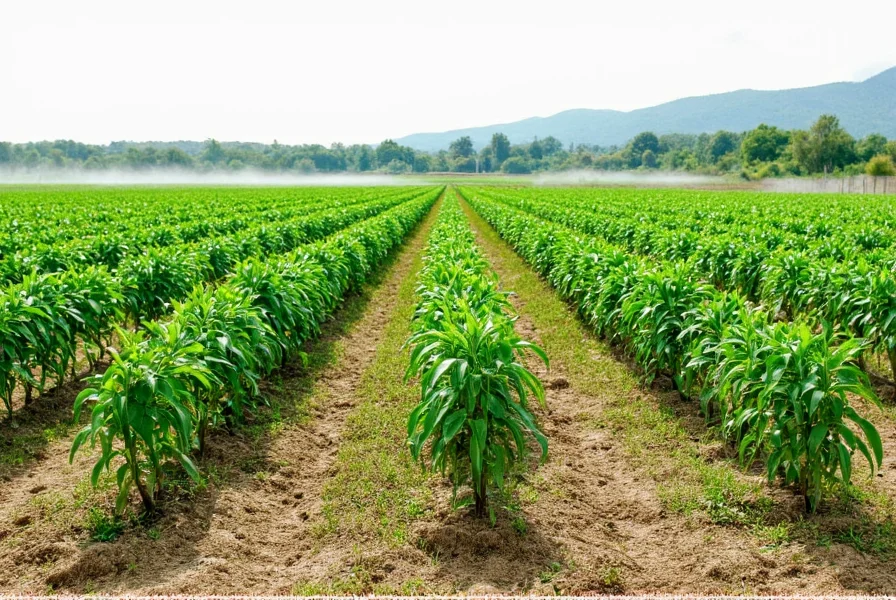
Advanced Cultivation Practices in Modern Pepper Agriculture
Contemporary pepper agriculture has evolved beyond traditional field cultivation to incorporate precision farming techniques that optimize resource use and maximize yields. Key practices include:
Planting and Spacing Strategies
Most commercial operations plant pepper seedlings 18-24 inches apart in rows spaced 36-42 inches apart, allowing for mechanical harvesting in large-scale operations. Transplanting occurs after soil temperatures consistently reach 65°F (18°C), typically 6-8 weeks after seeding.
Irrigation Management
Pepper irrigation requirements demand careful attention, particularly during flowering and fruit set. Drip irrigation systems have become standard in modern pepper agriculture due to their water efficiency and ability to deliver precise moisture directly to root zones. Key irrigation considerations include:
- Maintaining consistent soil moisture (avoiding both drought stress and waterlogging)
- Applying 1-2 inches of water per week during fruit development
- Reducing irrigation as fruits mature to improve flavor concentration
- Using moisture sensors to optimize watering schedules
Fertilization Protocols
Pepper plants require balanced nutrition throughout their growth cycle. A typical fertilization schedule for commercial pepper farming practices includes:
- Pre-planting: Incorporation of well-rotted compost or manure
- At transplanting: Phosphorus-rich starter solution
- Early vegetative growth: Nitrogen-focused fertilizer (10-5-5)
- Flowering and fruit set: Potassium-enhanced formula (5-10-15)
- Regular foliar applications of calcium to prevent blossom end rot
Evolution of Pepper Farming Technology: A Historical Perspective
Pepper agriculture has undergone significant technological transformation since the mid-20th century. Understanding this progression reveals how innovation addresses evolving production challenges. The following timeline documents key milestones in commercial pepper farming:
| Era | Key Innovation | Impact on Production |
|---|---|---|
| 1950s-1960s | Hybrid seed development | Yield increases of 25-40% through uniform fruit set and disease resistance |
| 1970s-1980s | Plastic mulch adoption | Soil temperature regulation extended growing seasons by 3-4 weeks; weed control costs reduced 60% |
| 1990s | Integrated Pest Management (IPM) integration | Pesticide use decreased 30-35% while maintaining yield quality (USDA ERS, 1998) |
| 2000s | Drip irrigation standardization | Water efficiency improved by 50% compared to furrow irrigation (UC Agriculture and Natural Resources, 2005) |
| 2010s-Present | Sensor-based precision agriculture | Resource optimization reduced input costs by 18-22% while increasing yields 12-15% (USDA NIFA, 2021) |
This technological evolution demonstrates how the industry systematically addresses core constraints—initially focusing on yield potential, then resource efficiency, and currently on sustainability metrics. Current research priorities, as documented in USDA's National Institute of Food and Agriculture reports, now emphasize climate-resilient varieties and labor-reduction technologies.
Pest and Disease Management in Pepper Agriculture
Pepper plant disease management remains one of the most challenging aspects of commercial production. Common threats include:
Major Insect Pests
- Aphids: Control through beneficial insects like ladybugs or insecticidal soaps
- Thrips: Manage with blue sticky traps and selective insecticides
- Pepper weevils: Requires integrated approach including crop rotation and targeted sprays
- Spider mites: Controlled through increased humidity and miticides
Common Diseases
- Bacterial spot: Prevent with copper-based sprays and resistant varieties
- Phytophthora blight: Manage through proper drainage and fungicides
- Tobacco mosaic virus: Control via sanitation and resistant cultivars
- Blossom end rot: Address through consistent irrigation and calcium supplementation
Modern pepper agriculture increasingly relies on integrated pest management (IPM) strategies that combine cultural, biological, and chemical controls to minimize pesticide use while maintaining crop health. Many growers now implement regular scouting protocols and threshold-based treatment decisions rather than calendar-based spraying schedules. Field data from Cornell University's IPM program (2023) shows a 27% reduction in chemical applications through proper threshold monitoring.
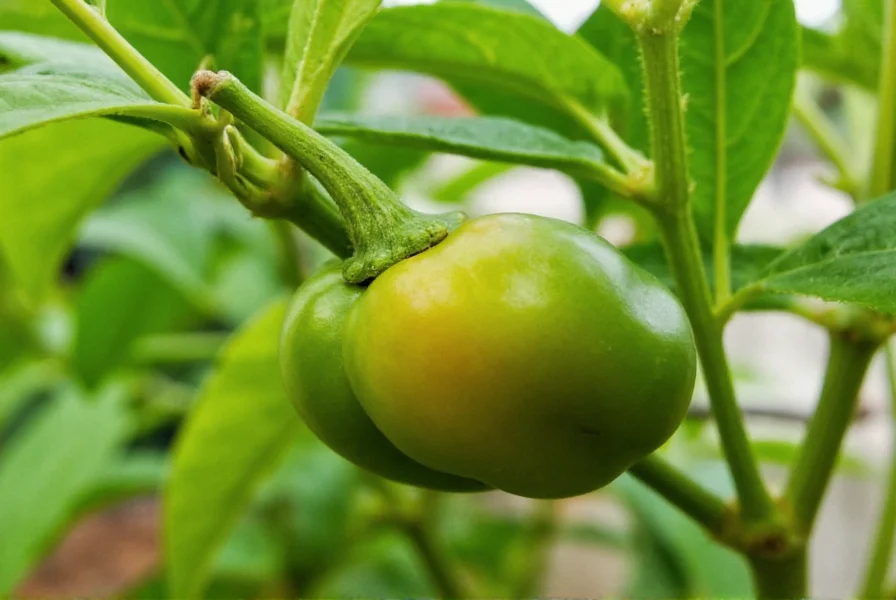
Harvesting and Post-Harvest Handling
Pepper harvesting best practices significantly impact marketability and shelf life. Most commercial operations harvest peppers multiple times throughout the season as fruits reach maturity. Key considerations include:
- Using sharp shears or knives to avoid plant damage during harvest
- Harvesting in early morning when temperatures are cooler
- Handling fruits gently to prevent bruising
- Cooling produce rapidly after harvest to 50-55°F (10-13°C)
- Maintaining 90-95% relative humidity during storage
Proper post-harvest handling can extend shelf life of fresh peppers from 2-3 weeks under optimal conditions. For processing operations, immediate processing after harvest preserves maximum flavor and nutritional content. USDA Agricultural Research Service studies confirm that peppers cooled within 2 hours of harvest retain 32% higher vitamin C levels than those with delayed cooling.
Economic Considerations in Commercial Pepper Agriculture
Pepper yield optimization strategies must balance production costs with market returns. Current economic factors affecting pepper agriculture include:
- Land preparation costs averaging $300-500 per acre
- Transplant expenses of $800-1,200 per acre
- Irrigation system investments ranging from $1,500-3,000 per acre
- Labor costs representing 30-40% of total production expenses
- Market price fluctuations based on seasonality and global supply
Successful pepper farming operations often diversify their product offerings (multiple varieties, fresh and processed products) and explore direct marketing channels to improve profitability. Contract growing arrangements with food processors provide price stability for many commercial pepper producers. Consumer sentiment analysis reveals growing market differentiation: 68% of U.S. consumers now prioritize locally grown produce (USDA ERS, 2023), while 41% specifically seek peppers with verifiable sustainable production practices (National Grocers Association, 2022). This creates premium pricing opportunities for growers who can document their agricultural practices through certification programs.
Future Trends in Pepper Agriculture
Several innovations are shaping the future of pepper agriculture:
- Protected cultivation: Increased use of high tunnels and greenhouses extends growing seasons
- Automation: Robotic harvesters and precision planting equipment reduce labor dependency
- Genetic improvements: Development of varieties with enhanced disease resistance and climate adaptability
- Sustainable practices: Water recycling systems and organic production methods gaining traction
- Vertical farming: Urban agriculture applications for high-value pepper varieties
As consumer demand for locally grown, sustainable produce increases, pepper agriculture continues to evolve with more efficient, environmentally friendly production methods that maintain economic viability for growers. Current research at land-grant universities focuses on developing region-specific best practice frameworks that address local climate constraints while meeting market demands.




 浙公网安备
33010002000092号
浙公网安备
33010002000092号 浙B2-20120091-4