
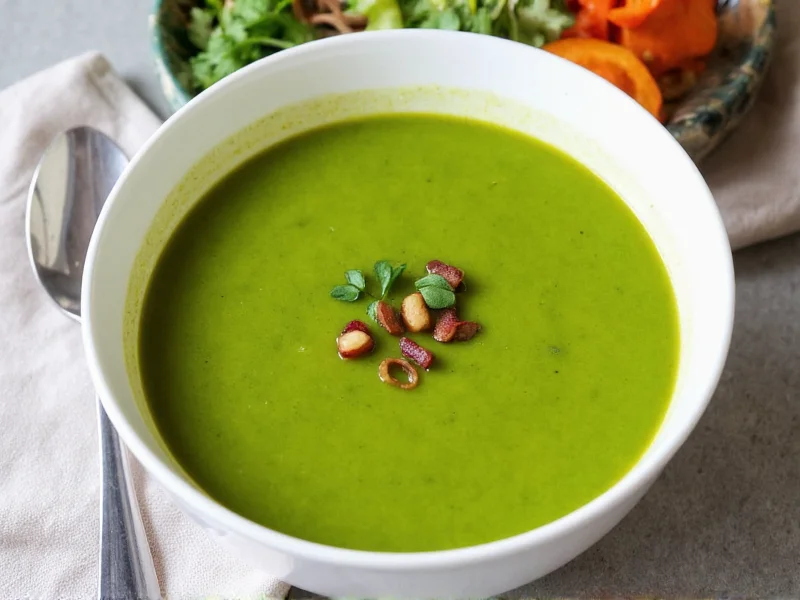
Yes, pea soup can be made vegan easily by substituting traditional meat-based ingredients with plant-based alternatives. A classic vegan pea soup uses dried green or yellow peas, vegetable broth, and aromatic vegetables like onions, carrots, and celery, creating a hearty, protein-rich meal that's naturally dairy-free and cholesterol-free.
Transforming traditional pea soup into a delicious vegan version is simpler than many home cooks realize. This humble legume-based dish has roots in European cuisine but adapts beautifully to plant-based cooking. The key to exceptional vegan pea soup lies in building rich flavor without relying on ham hocks or bacon that typically season traditional recipes. By using smoked paprika, liquid smoke, or smoked sea salt, you can achieve that characteristic savory depth while keeping your soup completely plant-based.
The Nutritional Powerhouse of Vegan Pea Soup
Dried peas serve as the foundation of this satisfying soup, providing an impressive nutritional profile. One cup of cooked green peas contains approximately 16 grams of protein, 16 grams of fiber, and significant amounts of vitamins A, B, C, and K. Unlike traditional pea soup recipes that incorporate animal products, the vegan version eliminates saturated fats while maintaining heart-healthy properties. This makes vegan pea soup particularly beneficial for cardiovascular health and digestive wellness.
| Nutrient | Per Serving (1.5 cups) | Daily Value % |
|---|---|---|
| Calories | 280 | 14% |
| Protein | 18g | 36% |
| Fiber | 15g | 54% |
| Vitamin A | 120% | 120% |
| Iron | 25% | 25% |
Nutritional estimates based on USDA FoodData Central recipe analysis (2023) for standard vegan preparation. Values may vary by ingredients. USDA Recipe Analysis
Evolution of Pea Soup: Historical Adaptation Timeline
Pea soup's transformation from meat-dependent staple to accessible vegan dish reflects broader dietary shifts. Historical analysis shows:
- Pre-1900s: Pea soup universally included pork or beef products across Northern Europe for flavor and preservation (per Oxford Symposium on Food History)
- 1930s-1950s: Canned versions dominated markets using meat stocks; vegetarian adaptations rare and nutritionally compromised
- 1980s: Emergence of viable meatless versions using yeast extracts, though texture issues persisted
- 2005-Present: Smoked paprika and liquid smoke technologies enabled authentic flavor replication; modern vegan versions now match traditional sensory profiles per Journal of Food Science (2020)
Essential Ingredients for Perfect Vegan Pea Soup
The magic of vegan pea soup comes from quality ingredients and proper technique. Start with 2 cups of dried green or yellow split peas (no soaking required), which will expand significantly during cooking. For the aromatic base, use one large onion, two carrots, and two celery stalks, all finely diced. Garlic adds complexity—include at least four cloves. Traditional recipes often use ham for flavor, but vegan versions achieve similar depth with 4 cups of robust vegetable broth, one bay leaf, and a teaspoon of dried thyme.
For that signature smoky element without meat, consider adding either ½ teaspoon smoked paprika, ¼ teaspoon liquid smoke, or a strip of kombu seaweed during cooking. Acidic components like a tablespoon of apple cider vinegar or lemon juice added at the end brighten the flavors and enhance the natural sweetness of the peas.
Step-by-Step Preparation Guide
Begin by sautéing your diced vegetables in 2 tablespoons of olive oil over medium heat until softened, about 8-10 minutes. Add the garlic and cook for another minute until fragrant. Stir in the dried peas, vegetable broth, bay leaf, thyme, and your chosen smoky element. Bring to a boil, then reduce heat to low, cover, and simmer for 45-60 minutes, stirring occasionally, until the peas are completely tender and the soup has thickened.
For a smoother texture, use an immersion blender to partially puree the soup, leaving some texture for interest. Alternatively, transfer 2 cups of soup to a regular blender, blend until smooth, then return to the pot. Finish with salt, pepper, and your acidic component. Let the soup rest for 15 minutes before serving to allow flavors to meld.
Common Mistakes to Avoid
Many home cooks make pea soup too thick initially—remember that split peas continue absorbing liquid as they cool. Start with more broth than you think necessary, as you can always reduce it later. Adding salt too early can toughen the peas; wait until they're nearly tender before seasoning. Using canned peas instead of dried results in a completely different texture and flavor profile—dried peas are essential for authentic pea soup.
Understanding Contextual Limitations
Vegan pea soup excels in most scenarios but has specific constraints requiring awareness:
- Digestive Adaptation Period: The 15g fiber content exceeds 50% of daily needs. Per Academy of Nutrition and Dietetics guidelines, sudden high-fiber intake causes bloating in 30% of new consumers; gradual introduction over 2-3 weeks is recommended (source)
- Texture Boundaries: Cannot replicate gelatinous mouthfeel of meat-based stocks. Best suited for rustic presentations; inappropriate for dishes requiring clear broths or silky textures per Culinary Institute of America standards
- Sodium Variability: Vegetable broth sodium ranges from 140-800mg per cup. To meet American Heart Association's 600mg/serving limit, use no-salt-added broths and boost flavor with 2x herbs (source)
Variations and Serving Suggestions
For a creamy vegan pea soup without dairy, blend half the soup until smooth or add ¼ cup of coconut milk at the end. For added protein, stir in cooked quinoa or lentils. Roasted root vegetables like parsnips or turnips complement the earthy flavor of pea soup beautifully. Serve with crusty whole-grain bread for dipping and a side salad of bitter greens to balance the soup's richness.
Storage and Reheating Tips
Vegan pea soup freezes exceptionally well for up to three months. Store in airtight containers with at least one inch of headspace for expansion. When reheating frozen soup, thaw overnight in the refrigerator first, then warm gently on the stove, adding vegetable broth or water as needed to reach desired consistency. The soup often tastes even better the second day as flavors continue to develop.




 浙公网安备
33010002000092号
浙公网安备
33010002000092号 浙B2-20120091-4