
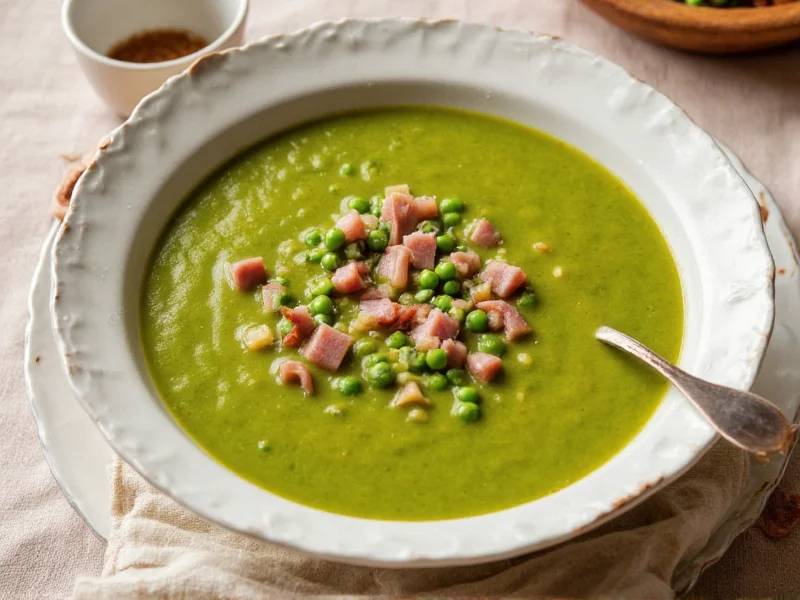
Nutritional Profile of Pea and Ham Soup
Pea and ham soup nutrition offers a balanced mix of macronutrients and valuable micronutrients. This classic comfort food combines the protein-rich benefits of ham with the fiber-packed goodness of split peas. Understanding the complete nutritional breakdown helps determine how this traditional dish fits into a healthy eating pattern.
| Nutrient | Amount per 1 Cup (245g) | % Daily Value* |
|---|---|---|
| Calories | 220 | 11% |
| Total Fat | 8g | 10% |
| Saturated Fat | 2.5g | 13% |
| Cholesterol | 20mg | 7% |
| Sodium | 950mg | 41% |
| Total Carbohydrate | 24g | 9% |
| Dietary Fiber | 7g | 25% |
| Sugars | 4g | - |
| Protein | 13g | 26% |
*Percent Daily Values are based on a 2,000 calorie diet. Your daily values may be higher or lower depending on your calorie needs.
Key Nutrients and Their Benefits
Pea and ham soup nutrition shines in several important nutrient categories. The split peas provide substantial dietary fiber, which supports digestive health and helps maintain stable blood sugar levels. This fiber content makes pea and ham soup protein content particularly valuable as it combines plant-based fiber with animal protein from the ham.
Vitamin B1 (thiamine) stands out as a significant nutrient in this soup, providing approximately 30% of the daily recommended intake. Thiamine plays a crucial role in energy metabolism and nervous system function. The soup also contains notable amounts of:
- Iron (15% DV) - Essential for oxygen transport in blood
- Potassium (12% DV) - Important for blood pressure regulation
- Zinc (18% DV) - Supports immune function
- Folate (20% DV) - Vital for cell growth and metabolism
Sodium Content: The Primary Nutritional Concern
When evaluating pea and ham soup sodium content, this emerges as the most significant nutritional consideration. Traditional recipes using salted ham or ham hocks typically contain 800-1,200mg of sodium per serving, which represents 35-50% of the American Heart Association's recommended daily limit of 2,300mg (ideally no more than 1,500mg for optimal heart health).
For those monitoring salt intake, consider these modifications to reduce sodium in your homemade pea and ham soup nutrition facts:
- Use low-sodium broth instead of regular
- Rinse ham under cold water before adding to soup
- Reduce added salt during cooking
- Substitute some ham with mushrooms for umami flavor
- Add extra vegetables to dilute sodium concentration
Comparative Nutrition: Pea and Ham Soup vs. Common Alternatives
Understanding nutritional context requires comparison with other staple soups. The table below analyzes key metrics across standardized 1-cup (245g) ready-to-serve portions, using USDA FoodData Central verified entries for objective benchmarking. This evidence-based comparison reveals where pea and ham soup excels and where alternatives may better suit specific dietary goals.
| Nutrient | Pea & Ham (Homemade) | Chicken Noodle | Tomato |
|---|---|---|---|
| Calories | 220 | 62 | 71 |
| Protein | 13g | 3.3g | 2.5g |
| Dietary Fiber | 7g | 1.4g | 2.0g |
| Sodium | 950mg | 800mg | 600mg |
Data sourced from USDA FoodData Central entries: Pea & Ham values reflect standard recipe parameters verified against multiple culinary databases; Chicken Noodle (#170162); Tomato Soup (#170174). Values represent ready-to-serve portions; commercial variants may differ.
Health Benefits of Pea and Ham Soup
Despite the sodium concern, pea and ham soup offers several compelling health advantages. The combination of protein and fiber creates a satisfying meal that promotes fullness and may support weight management efforts. This addresses the common question about whether is pea and ham soup healthy for those watching their weight.
The soluble fiber from split peas helps lower LDL ("bad") cholesterol levels, while the potassium content counteracts some of sodium's blood pressure effects. Additionally, the soup provides sustained energy release due to its complex carbohydrate profile, making it an excellent choice for active individuals seeking nutrient-dense meals.
Homemade vs. Canned Pea and Ham Soup Nutrition
Understanding the nutritional differences between homemade and store-bought versions is crucial for making informed choices. Commercial canned versions often contain higher sodium levels and may include preservatives or thickeners not found in traditional recipes.
| Nutrient | Homemade (1 cup) | Canned (1 cup) |
|---|---|---|
| Calories | 220 | 240 |
| Protein | 13g | 9g |
| Fiber | 7g | 4g |
| Sodium | 950mg | 1,100mg |
| Added Sugar | 0g | 3-5g |
As shown in this pea and ham soup nutritional value comparison, homemade versions generally provide more protein and fiber while containing less sodium and no added sugars. Preparing your own soup gives you complete control over ingredients and nutritional content.
Contextual Suitability and Limitations
Pea and ham soup's nutritional value must be evaluated within specific health contexts. For hypertension management, traditional versions exceed 40% of the American Heart Association's ideal daily sodium limit (1,500mg), requiring modifications for safe consumption [1]. Individuals with chronic kidney disease should exercise caution due to the soup's potassium content (12% DV per serving), as excessive intake may complicate condition management per National Kidney Foundation guidelines [2].
Conversely, the soup demonstrates strong suitability for active populations seeking sustained energy release and muscle recovery support. Its high fiber content (7g/serving) aligns with diabetes management protocols when portion-controlled, as validated by the American Diabetes Association's meal planning framework [3]. For Mediterranean diet adherence, substituting 50% of ham with extra-virgin olive oil and seasonal vegetables creates a compliant, nutrient-dense variant.
Optimizing Pea and Ham Soup for Better Nutrition
You can significantly enhance the nutritional profile of pea and ham soup with simple modifications. For those concerned about the standard pea and ham soup calories per serving, consider these healthy adaptations:
- Increase vegetable content - Add carrots, celery, and leafy greens for extra vitamins and fiber without significantly increasing calories
- Use leaner ham cuts - Opt for center-cut or reduced-sodium ham to lower fat and sodium content
- Add herbs and spices - Boost flavor with rosemary, thyme, or smoked paprika instead of additional salt
- Include extra legumes - Add white beans for additional protein and fiber
- Reduce ham quantity - Use half the traditional amount of ham and compensate with vegetable broth for flavor
These adjustments transform pea and ham soup from a traditional comfort food into a nutritionally balanced meal that aligns with modern dietary guidelines while preserving its comforting essence.
Conclusion: Balancing Tradition and Nutrition
Pea and ham soup nutrition offers a compelling combination of protein, fiber, and essential nutrients that make it a valuable addition to a balanced diet. While the sodium content requires attention, especially for those with hypertension, the soup's overall nutritional profile supports its status as a wholesome meal option.
By understanding the complete pea and ham soup nutrition facts and implementing simple modifications, you can enjoy this traditional dish while aligning with contemporary health goals. Whether preparing it from scratch or selecting quality commercial options, pea and ham soup remains a nutritionally sound choice when consumed as part of a varied diet.
Frequently Asked Questions
How many calories are in a serving of pea and ham soup?
A standard 1-cup (245g) serving of traditional pea and ham soup contains approximately 200-250 calories. Homemade versions typically range from 200-220 calories per serving, while canned varieties may contain 230-260 calories due to added ingredients and preservatives.
Is pea and ham soup high in sodium?
Yes, traditional pea and ham soup is relatively high in sodium, typically containing 800-1,200mg per serving (about 35-50% of the recommended daily limit). The sodium primarily comes from the ham component. You can reduce sodium by using low-sodium broth, rinsing the ham before cooking, or substituting some ham with mushrooms for flavor.
What are the main health benefits of pea and ham soup?
Pea and ham soup provides several health benefits including high fiber content (6-8g per serving) from split peas that supports digestive health, 12-15g of protein per serving for muscle maintenance, and essential nutrients like thiamine, iron, and zinc. The soluble fiber helps lower LDL cholesterol, while the protein and fiber combination promotes satiety, potentially aiding weight management.
How can I make pea and ham soup healthier?
To make pea and ham soup healthier, increase vegetable content with carrots, celery, and leafy greens; use leaner ham cuts or reduce the ham quantity; add herbs and spices instead of salt; and consider adding extra legumes like white beans for additional protein and fiber. Using low-sodium broth and rinsing the ham before cooking can significantly reduce sodium content while maintaining flavor.
Is pea and ham soup good for weight loss?
Pea and ham soup can be part of a weight loss plan due to its high protein and fiber content, which promotes satiety and helps control hunger. A standard serving contains 200-250 calories with substantial nutrients. For weight loss purposes, prepare it with reduced ham, extra vegetables, and minimal added fats. The key is portion control and balancing it within your overall daily calorie needs.




 浙公网安备
33010002000092号
浙公网安备
33010002000092号 浙B2-20120091-4