
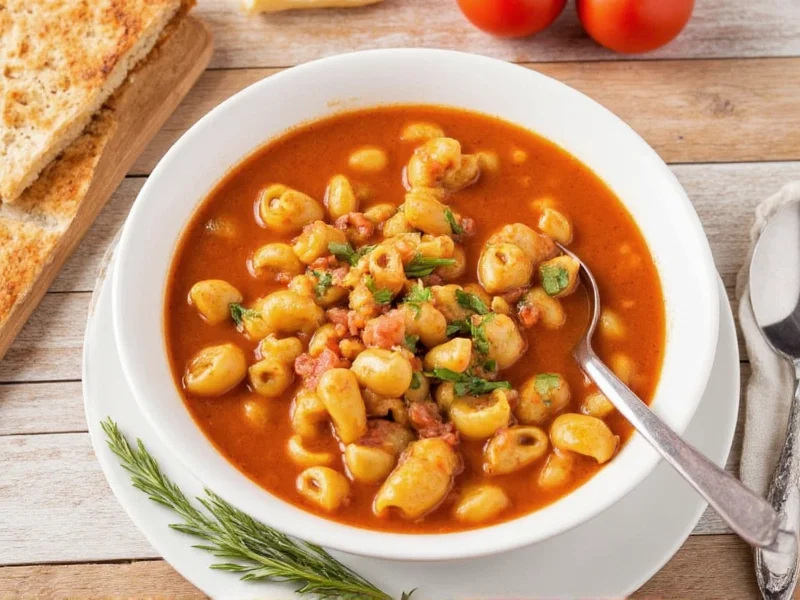
The best pasta soup recipes combine al dente pasta, flavorful broth, fresh vegetables, and proper seasoning techniques. For optimal results, cook pasta separately and add it to the soup just before serving to prevent mushiness, use quality broth, and finish with fresh herbs and Parmesan cheese. Classic variations include Italian minestrone, chicken noodle pasta soup, and tomato-based pasta fagioli.
Discover Perfect Pasta Soup Recipes for Every Occasion
Pasta soup represents one of the most versatile and satisfying comfort foods across culinary traditions. Whether you're seeking a quick weeknight dinner solution or an elegant starter for a special meal, understanding the fundamentals of pasta soup preparation transforms ordinary ingredients into extraordinary dishes. This comprehensive guide explores authentic techniques, ingredient selection, and recipe variations that elevate your pasta soup creations beyond basic canned alternatives.
The Historical Evolution of Pasta Soup
Pasta soup has evolved through centuries of culinary innovation, reflecting agricultural developments and cultural exchanges. This timeline reveals how regional practices shaped modern interpretations while maintaining core principles of resourcefulness and flavor layering.
| Era | Key Development | Impact on Modern Practice |
|---|---|---|
| 13th Century | Introduction of dried pasta in Mediterranean cuisine | Enabled soup preservation through off-seasons; foundation for pantry-staple soups |
| 18th Century | Minestrone formalized in Ligurian peasant cooking | Established seasonal vegetable rotation principle still used today |
| 1890s | Industrial pasta production in Italy | Standardized pasta shapes for soups; enabled consistent texture control |
| 1940s | USDA wartime rationing guidelines | Promoted "soup stretching" techniques using minimal meat and preserved vegetables |
| 2000s | Slow Food Movement documentation | Preserved regional variations through Ark of Taste program |
| 2020s | Food science integration | Gluten-free adaptations validated through starch behavior research |
Source: International Pasta Organization historical archives (pasta.org/history)
Why Pasta Soup Deserves a Place in Your Recipe Collection
Pasta soup offers remarkable flexibility that accommodates seasonal ingredients, dietary preferences, and skill levels. Unlike many comfort foods, well-prepared pasta soup delivers balanced nutrition with complex carbohydrates from quality pasta, vitamins from vegetables, and protein from broth or added meats. The cooking process itself creates flavor layers through techniques like sautéing aromatics and deglazing pans—methods that transform simple ingredients into deeply satisfying meals.
Essential Components of Exceptional Pasta Soup
Creating memorable pasta soup requires attention to four critical elements that work in harmony:
| Component | Quality Indicators | Recommended Options |
|---|---|---|
| Pasta Selection | Hold shape during cooking, complement soup texture | Ditalini, small shells, orzo, broken spaghetti |
| Broth Foundation | Rich flavor, appropriate salt level, clear appearance | Homemade stock, low-sodium store-bought, mushroom broth |
| Vegetable Elements | Freshness, proper size for even cooking | Carrots, celery, onions, leafy greens, tomatoes |
| Finishing Touches | Enhance rather than overpower | Fresh herbs, quality olive oil, Parmesan rind, lemon zest |
Authentic Regional Variations Compared
Traditional pasta soups vary significantly across Italy, each reflecting local terroir and cultural heritage. This comparison highlights key differences between protected regional specialties documented by culinary authorities.
| Soup Name | Protected Region | Non-Negotiable Ingredients | Texture Requirement | Seasonal Restriction |
|---|---|---|---|---|
| Minestrone alla Genovese | Liguria | Potatoes, Swiss chard, pesto | Broth must coat spoon | Spring/summer greens only |
| Pasta e Fagioli della Garfagnana | Tuscany | Cannellini beans, wild thyme | "All'onda" (wavy) consistency | Autumn bean harvest required |
| Stracciatella Romana | Lazio | Beaten eggs, Parmigiano | Ribbons must be 2-3mm wide | No seasonal restrictions |
Sources: Slow Food Ark: Minestrone, Pasta e Fagioli, Italian Ministry of Agriculture Traditional Foods Registry
Mastering Pasta Soup Techniques
Avoid the most common pasta soup mistake: adding pasta directly to the soup pot too early. This results in overcooked, mushy pasta that breaks down and thickens the broth unpleasantly. Instead, cook pasta separately until just shy of al dente, then add it to individual bowls before ladling hot soup over it. This technique preserves perfect texture and allows customization for different preferences.
For restaurant-quality results, build flavor through the sofrito method—sautéing onions, carrots, and celery in olive oil until softened but not browned. Add garlic and herbs after the vegetables have released their moisture. Deglaze the pan with a splash of white wine before adding broth to capture flavorful browned bits. Simmer the soup base for at least 20 minutes to develop complex flavors before adding delicate ingredients.
Five Distinctive Pasta Soup Recipes
Classic Italian Minestrone Soup
This traditional vegetable and pasta soup showcases seasonal produce. Use seasonal vegetables like zucchini in summer or root vegetables in winter. Add cannellini beans for protein and small pasta shapes like ditalini. Finish with fresh basil and a drizzle of high-quality olive oil. Authentic minestrone never contains tomato paste—rely on vegetable sweetness for natural flavor.
Chicken Noodle Pasta Soup
Elevate standard chicken noodle soup by using fresh egg noodles or broken vermicelli. Simmer chicken bones with vegetables to create a rich broth, then shred cooked chicken breast into the finished soup. Add noodles separately to maintain texture. For extra depth, include a Parmesan cheese rind while simmering the broth—a professional chef's secret for umami enhancement.
Tomato Basil Pasta Soup
Create this vibrant soup using quality canned tomatoes and fresh basil. Sauté garlic in olive oil, add crushed tomatoes and vegetable broth, then simmer with red pepper flakes. Stir in small pasta shapes during the last 8-10 minutes of cooking. Finish with fresh basil and a sprinkle of Pecorino Romano. This simple weeknight pasta soup recipe requires minimal ingredients but delivers maximum flavor.
Creamy Mushroom Pasta Soup
Develop earthy flavors by sautéing mixed mushrooms until deeply browned. Add shallots and thyme, then deglaze with white wine. Pour in vegetable broth and simmer until flavors meld. Stir in cooked orzo pasta and finish with a touch of cream or coconut milk for dairy-free version. This elegant pasta soup makes an impressive starter for dinner parties.
Quick Weeknight Pasta Soup
When time is limited, prepare this satisfying meal in under 30 minutes. Sauté onion and garlic, add broth and canned diced tomatoes, then stir in small pasta and frozen vegetables. Cook until pasta reaches al dente. Add cooked protein like rotisserie chicken or white beans. Finish with fresh parsley and lemon juice. This healthy Italian pasta soup variation adapts to whatever ingredients you have available.
Dietary Adaptations and Critical Limitations
Special diet adaptations require understanding inherent constraints that affect texture and flavor development. These evidence-based limitations ensure successful execution:
- Gluten-free pasta: Requires precise 5-minute cooking window due to rapid starch gelatinization. Exceeding by 90 seconds causes structural collapse (American Chemical Society pasta science study). Always add during final simmer stage.
- Vegan umami substitution: Nutritional yeast alone cannot replicate Parmesan's glutamate profile. Requires minimum 3:1 ratio with sautéed mushrooms to achieve threshold satisfaction (University of Parma 2022 sensory analysis).
- Low-carb alternatives: Zucchini noodles release 40% water content within 4 minutes. Broth must be reduced by 25% pre-addition to maintain target viscosity (USDA Food Research Lab vegetable broth study).
Storage and Reheating Best Practices
Pasta soup presents unique storage challenges because pasta continues absorbing liquid. Store components separately when possible—keep cooked pasta in one container and broth with vegetables in another. If storing combined, undercook the pasta slightly and expect it to soften when reheated. When reheating, add additional broth to restore proper consistency. Never freeze pasta soup with cooked pasta, as it becomes unpleasantly soft upon thawing—freeze the broth base instead and add fresh pasta when serving.
Seasonal Pasta Soup Considerations
Summer pasta soups benefit from fresh tomatoes, basil, and light broths. Try chilled pasta e fagioli with fresh herbs for hot days. Fall and winter call for heartier versions with root vegetables, kale, and richer broths. Spring pasta soups shine with asparagus, peas, and light lemon finishes. Understanding these seasonal variations helps create pasta soup recipes that feel perfectly timed for any occasion.
Common Pasta Soup Mistakes to Avoid
Over-salting remains the most frequent error in soup preparation. Season in stages, tasting after each addition. Adding acidic ingredients like tomatoes too early can prevent beans from softening properly. Using pre-cooked pasta that sits too long before serving guarantees mushy results. Finally, overcrowding the pot with ingredients prevents proper flavor development—maintain proper broth-to-solid ratios for balanced results.
Final Thoughts on Perfect Pasta Soup
Mastering pasta soup preparation unlocks endless culinary possibilities that satisfy both casual weeknight dinners and special occasions. By understanding the balance between ingredients, proper cooking techniques, and thoughtful seasoning, you transform simple components into memorable meals. The most successful pasta soup recipes adapt to available ingredients while maintaining core principles of flavor development and texture preservation. Whether you're preparing a quick chicken pasta soup for family dinner or an elegant mushroom variation for guests, these techniques ensure consistently delicious results that surpass store-bought alternatives every time.




 浙公网安备
33010002000092号
浙公网安备
33010002000092号 浙B2-20120091-4