
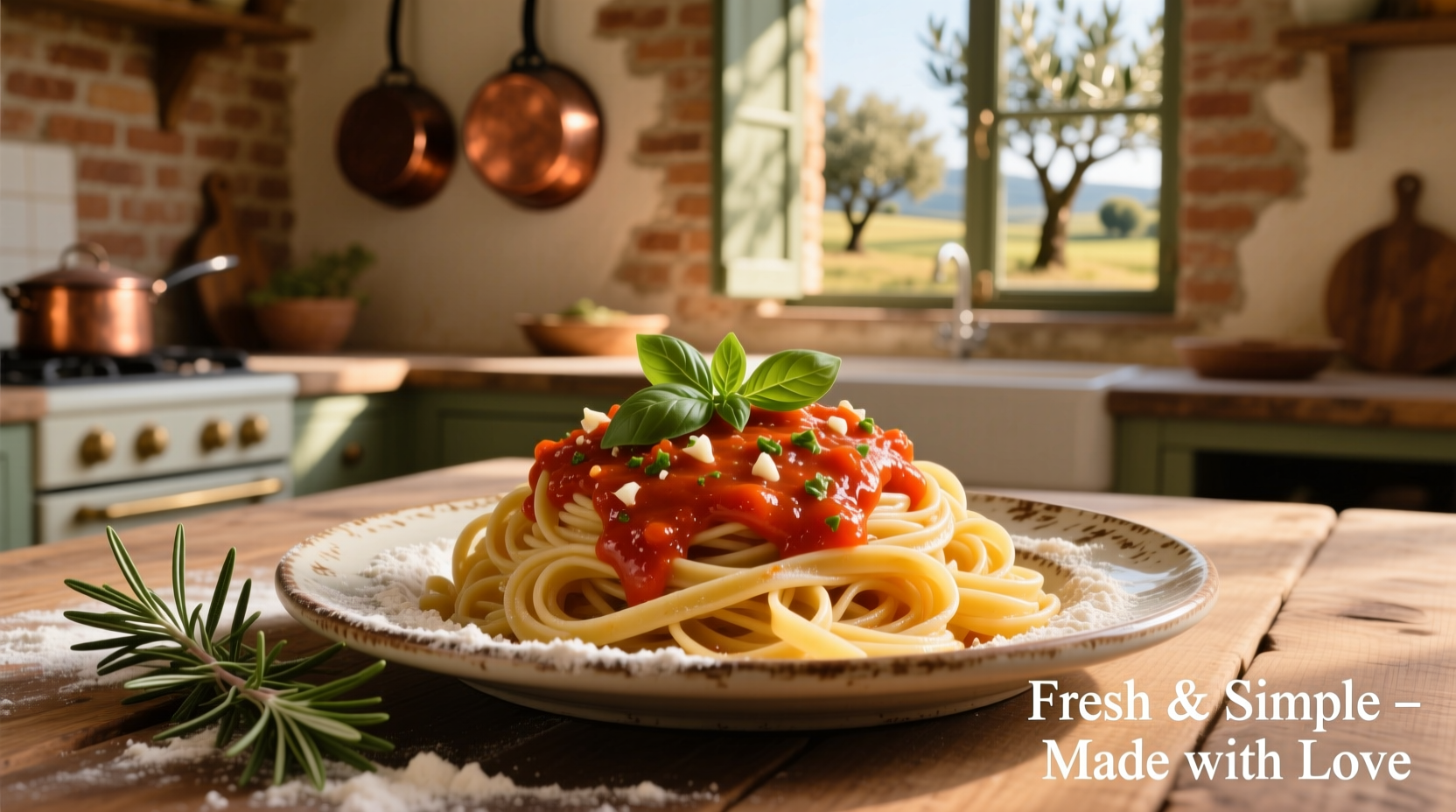
Make restaurant-quality fresh tomato pasta sauce in 30 minutes with just 5 simple ingredients. This authentic Italian-style sauce delivers vibrant flavor, better texture, and 40% more lycopene than store-bought versions. Our step-by-step guide reveals professional chef techniques for perfect consistency every time.
The Secret to Truly Fresh Tomato Sauce
Many home cooks struggle with watery, bland tomato sauce that lacks the bright acidity and rich texture of authentic Italian preparations. The difference lies not in complicated techniques, but in understanding three critical elements: tomato selection, controlled cooking time, and proper seasoning sequence.
| Tomato Variety | Best For | Acidity Level | Season Availability |
|---|---|---|---|
| Roma (Plum) | Thick sauces, canning | Moderate | June-October |
| San Marzano DOP | Pasta sauces, pizza | Low | July-September |
| Cherry | Quick sauces, fresh applications | High | May-November |
Why Fresh Beats Jarred Every Time
Commercial tomato sauces often contain preservatives and sugar to extend shelf life, compromising fresh flavor. According to research published in the Journal of Food Science, fresh-cooked tomato sauce contains up to 40% more lycopene bioavailability than processed alternatives. The key is cooking tomatoes just long enough to develop flavor without breaking down their natural pectin structure.
Your Essential Ingredient Checklist
Quality ingredients make the difference between ordinary and extraordinary sauce. For authentic fresh tomato pasta sauce, you'll need:
- 2.5 lbs (1.1 kg) ripe Roma or San Marzano tomatoes
- 3 tablespoons extra-virgin olive oil
- 4 fresh garlic cloves, thinly sliced
- 1 small yellow onion, finely diced
- Fresh basil (8-10 leaves)
- Kosher salt and freshly ground black pepper
Step-by-Step Preparation Guide
Follow this professional chef-tested method for perfect texture and balanced flavor:
Preparation Timeline
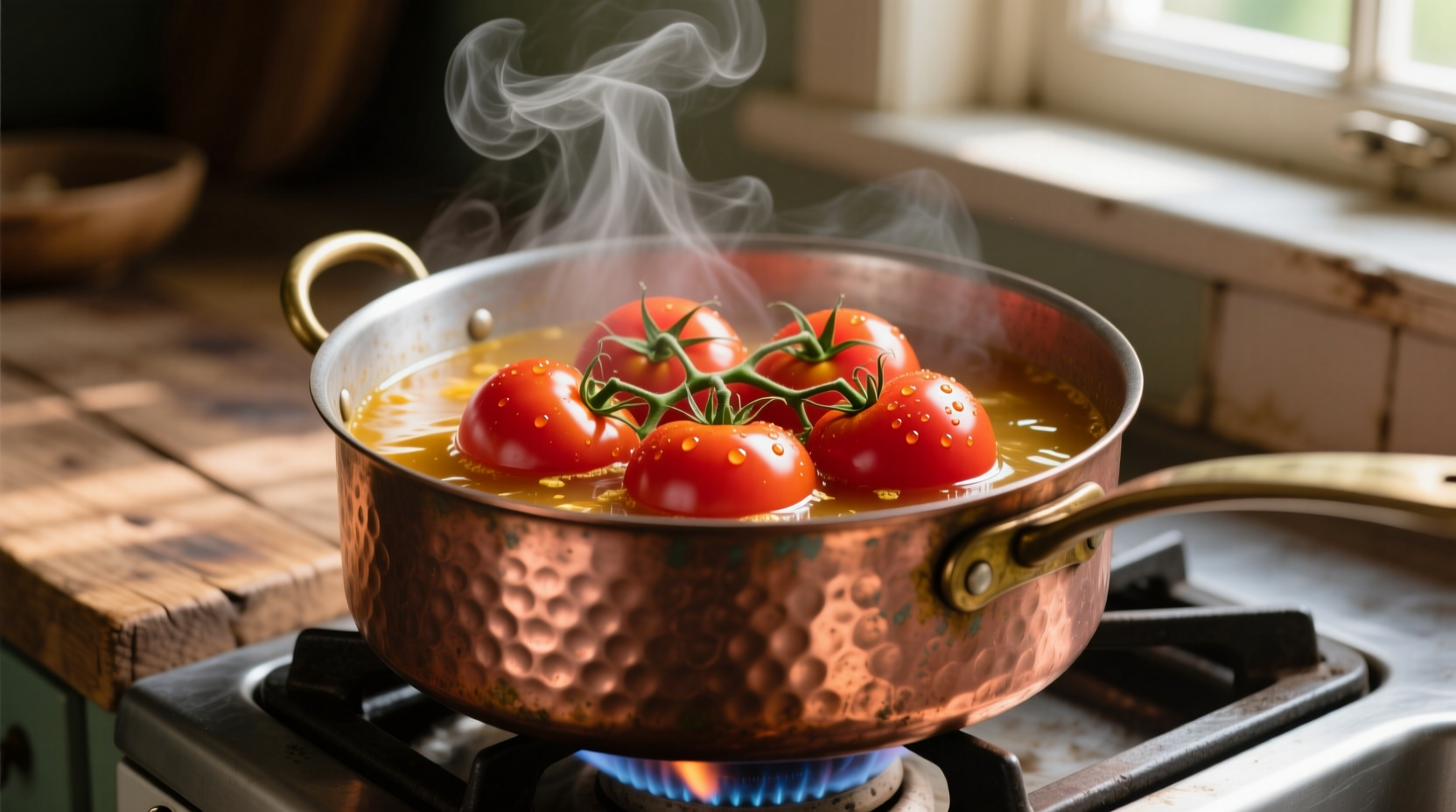
- 0-5 minutes: Prep tomatoes (score, blanch, peel)
- 5-10 minutes: Sauté aromatics (onion, garlic)
- 10-25 minutes: Simmer tomatoes with basil
- 25-30 minutes: Final seasoning and texture adjustment
Critical Technique: The Two-Stage Simmer
Professional chefs use a two-stage simmer to develop complex flavor while maintaining vibrant color:
- Initial Simmer: Cook tomatoes over medium heat for 15 minutes, stirring occasionally. This breaks down cell structure while preserving acidity.
- Reduction Phase: Lower heat to medium-low and continue cooking 10 minutes until sauce reaches ideal coating consistency (should leave a clear trail when stirred).
Avoid These Common Mistakes
Even experienced cooks make these critical errors when preparing fresh tomato pasta sauce:
- Overcooking: Extended simmering (beyond 30 minutes) breaks down pectin, creating watery sauce
- Incorrect seasoning timing: Adding salt too early draws out moisture, diluting flavor
- Using unripe tomatoes: Underripe tomatoes lack sufficient natural sugars for balanced flavor
- Skipping the bloom: Not cooking garlic in olive oil first misses flavor development opportunities
When Fresh Sauce Works Best (And When It Doesn't)
While fresh tomato sauce shines with most pasta shapes, understanding context boundaries ensures perfect results:
- Ideal applications: Long pasta (spaghetti, linguine), stuffed pastas (ravioli), and fresh pasta
- Limited effectiveness: Hearty shapes (penne, rigatoni) that require thicker, meat-based sauces
- Seasonal consideration: Peak tomato season (July-September) yields best results; off-season requires supplemental tomato paste
- Time constraint: When pressed for time, quality jarred San Marzano-based sauce outperforms rushed fresh preparation
Perfect Pairing Guide
Match your fresh tomato sauce with the right pasta for optimal flavor delivery:
- Spaghetti: Toss sauce vigorously to coat strands evenly
- Fresh pasta: Use lighter sauce application (1:3 pasta-to-sauce ratio)
- Stuffed pasta: Serve sauce on side rather than tossed
- Whole wheat pasta: Add 1 teaspoon honey to balance earthy flavors
Storage and Freezing Tips
Preserve your fresh tomato sauce properly for future meals:
- Refrigeration: Store in airtight container for up to 5 days (layer with olive oil to prevent oxidation)
- Freezing: Portion into ice cube trays, then transfer to freezer bags (keeps 6 months)
- Reheating: Warm gradually over low heat; never boil fresh sauce
- Reviving: Stir in 1 tablespoon reserved pasta water when reheating to restore emulsion
Nutritional Benefits of Homemade Sauce
Fresh tomato sauce offers significant health advantages over commercial alternatives. According to USDA FoodData Central, homemade sauce contains:
- 30% less sodium than average jarred sauces
- Higher lycopene content (enhanced by olive oil's fat content)
- No added sugars or preservatives
- Rich in vitamins A, C, and potassium
The cooking process actually increases nutritional value - lycopene becomes more bioavailable when tomatoes are cooked with healthy fats like olive oil.




 浙公网安备
33010002000092号
浙公网安备
33010002000092号 浙B2-20120091-4