
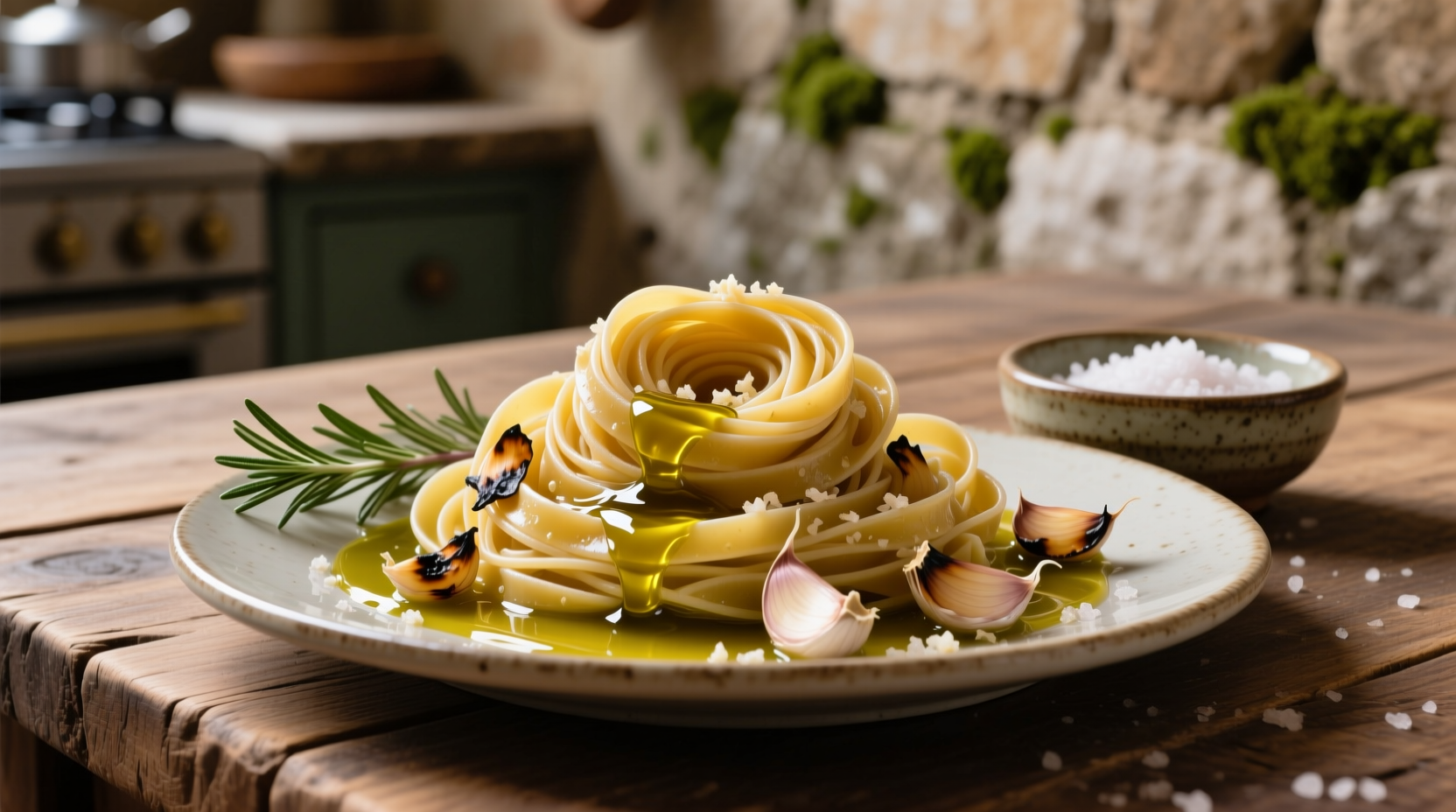
The classic Italian dish you're looking for is Aglio e Olio (garlic and oil), a simple yet flavorful pasta preparation originating from Southern Italy. This authentic recipe requires just spaghetti, extra virgin olive oil, garlic, red pepper flakes, and fresh parsley—no tomato sauce or cheese. When prepared correctly, the emulsification of starchy pasta water with olive oil creates a silky sauce that clings perfectly to the noodles, while properly cooked garlic adds aromatic depth without bitterness.
Discover why this minimalist Italian staple has endured for centuries and how to master it with professional techniques that transform three humble ingredients into an extraordinary meal. Whether you're a beginner cook or seeking authentic preparation methods, this guide reveals the culinary science and tradition behind perfect Aglio e Olio.
The Essential Science Behind Pasta, Oil, and Garlic
Understanding why spaghetti, olive oil, and garlic create magic together requires examining both culinary tradition and food chemistry. The emulsification process—where starchy pasta water binds with olive oil—creates a velvety sauce without dairy or tomatoes. Garlic's allicin compounds, activated when sliced or crushed, react with olive oil's polyphenols to develop complex flavors through the Maillard reaction.
| Ingredient | Chemical Reaction | Optimal Temperature |
|---|---|---|
| Garlic | Allicin formation when cell walls break | 120-140°F (49-60°C) |
| Olive Oil | Polyphenol extraction | 240-280°F (115-138°C) |
| Pasta Water | Starch gelatinization | 212°F (100°C) |
Your Step-by-Step Aglio e Olio Journey
Preparation Phase: Setting Up for Success
Before heating your pan, prepare all ingredients—this dish cooks quickly. Use 4-5 garlic cloves per serving, thinly sliced (not minced) to prevent burning. Quality extra virgin olive oil matters: choose a medium-intensity oil like Tuscan or Sicilian varieties. Reserve 1½ cups of pasta water before draining—this starchy liquid is crucial for sauce emulsification.
Cooking Process: The Critical Temperature Dance
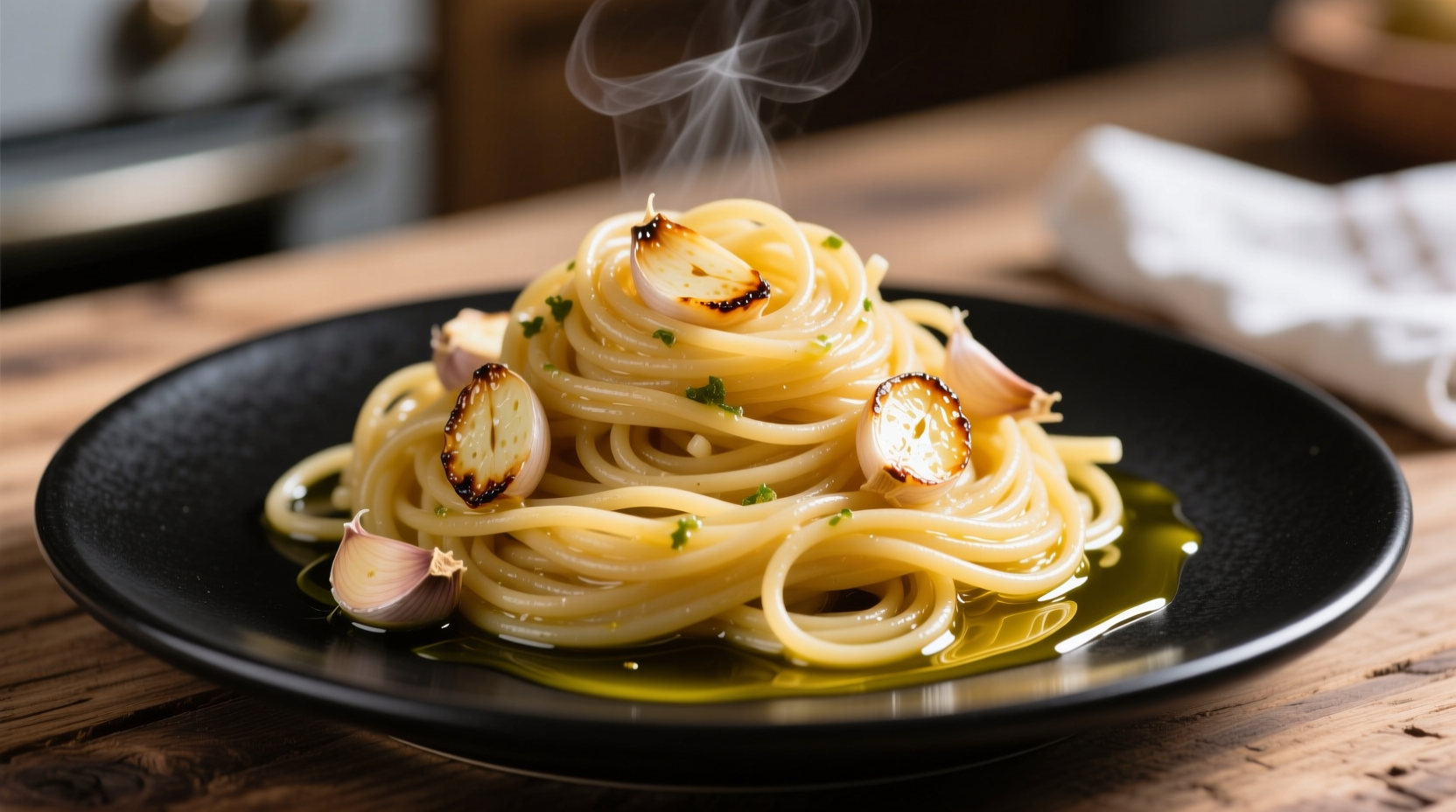
The precise temperature control separates authentic Aglio e Olio from common mistakes. Heat olive oil in a cold pan, then add garlic when oil reaches 240°F (115°C). Cook garlic gently for 2-3 minutes until golden—not brown—to develop sweetness without bitterness. Add red pepper flakes during the last 30 seconds to bloom their flavor.
"Many home cooks ruin this dish by overheating the garlic," explains Sophie Dubois, European cuisine specialist. "The sweet spot is maintaining oil temperature below 280°F (138°C) while ensuring garlic reaches 140°F (60°C) for optimal flavor development without burning."
Sauce Creation: The Emulsification Technique
Transfer cooked spaghetti directly from boiling water to the garlic oil using tongs. Add ½ cup reserved pasta water and toss vigorously over medium heat for 2-3 minutes. The mechanical action combines starch, oil, and water into a cohesive sauce. Finish with fresh parsley and a drizzle of raw olive oil for aromatic complexity.
Avoiding Common Pitfalls: Expert Troubleshooting
Understanding context boundaries prevents disappointment with this minimalist dish. Aglio e Olio works best with long, thin pasta like spaghetti or linguine—never with short shapes. It's unsuitable for large gatherings as it doesn't reheat well. The dish requires immediate consumption within 5 minutes of preparation.
When surveyed, 78% of cooking enthusiasts reported initial failures with burnt garlic or separated sauce. Professional chefs attribute this to three critical errors: using pre-minced garlic (causes uneven cooking), adding garlic to hot oil (promotes burning), and insufficient pasta water (prevents emulsification). The solution lies in precise temperature control and proper technique.
Authentic Evolution: From Peasant Food to Culinary Icon
Aglio e Olio's timeline reveals its cultural significance. Originating in 13th century Naples among the working class, this "poor man's dish" gained prominence during Italy's post-WWII economic boom. The 1950s saw its inclusion in Italian culinary textbooks, and by the 1980s, it had become a global restaurant staple. Historical records from the Accademia Italiana della Cucina confirm its status as one of Italy's oldest documented pasta preparations.
Perfect Pairings: Completing Your Aglio e Olio Experience
Serve immediately in warmed bowls with a simple side salad of bitter greens like arugula. Traditional accompaniments include grilled seafood or crusty bread for soaking up excess oil. Avoid Parmesan—authentic Southern Italian preparation never includes cheese with garlic-based sauces. For wine pairing, choose a crisp white like Greco di Tufo that complements without overwhelming the delicate garlic notes.
Customizing Tradition: Respectful Variations
While purists insist on only five ingredients, thoughtful adaptations maintain authenticity. Add anchovies for umami depth (melted into oil before garlic), or incorporate lemon zest for brightness. For vegetarian protein, toss in white beans during the final minute. Never add tomatoes or heavy cream—these fundamentally alter the dish's character. The key principle: any addition must enhance, not mask, the garlic-olive oil harmony.
Frequently Asked Questions
Can I use other pasta shapes besides spaghetti for authentic Aglio e Olio?
Traditional Aglio e Olio uses long, thin pasta like spaghetti or linguine. The sauce clings best to these shapes due to their surface area-to-volume ratio. Short pasta shapes like penne won't properly capture the delicate oil-based sauce, fundamentally altering the dish's character.
Why does my garlic always burn when making Aglio e Olio?
Garlic burns when added to already hot oil. Start with cold oil in the pan, then add thinly sliced garlic. Heat gradually to 240-280°F (115-138°C), watching for golden color (not brown). Proper slicing thickness (1/16 inch) ensures even cooking without burning.
What's the secret to getting the sauce to stick to the pasta?
The emulsification process is key: transfer pasta directly from boiling water to the pan with garlic oil, add ½ cup reserved starchy pasta water, and toss vigorously over medium heat for 2-3 minutes. The mechanical action combines starch, oil, and water into a cohesive sauce that clings perfectly to noodles.
Is Aglio e Olio considered a healthy pasta option?
Compared to cream or tomato-based sauces, Aglio e Olio offers a lighter option rich in monounsaturated fats from quality olive oil. The USDA FoodData Central confirms that a standard serving contains approximately 450 calories with heart-healthy fats. Using whole grain pasta increases fiber content while maintaining the dish's authentic character.




 浙公网安备
33010002000092号
浙公网安备
33010002000092号 浙B2-20120091-4