
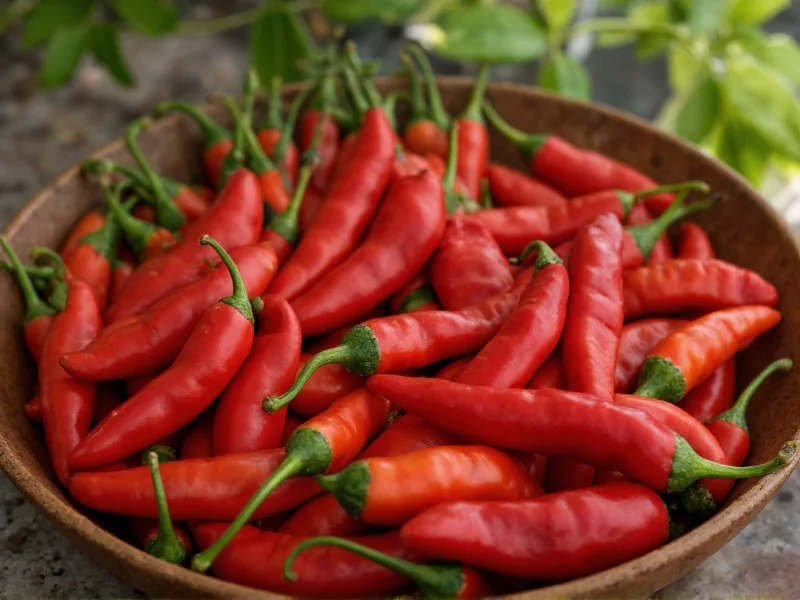
Pasilla peppers represent one of Mexico's essential dried chilies, often misunderstood due to naming confusion in the culinary world. Many shoppers mistakenly purchase poblanos expecting pasillas, not realizing pasillas are actually the dried form of fresh chilaca peppers. Understanding heat measurements helps home cooks and chefs select appropriate ingredients for authentic Mexican dishes.
What Exactly Are Pasilla Peppers?
The term "pasilla" translates to "little raisin" in Spanish, perfectly describing these slender, dark brown to black dried peppers with their characteristic wrinkled appearance and sweet-tart flavor profile. Fresh chilaca peppers transform into pasillas when dried, developing complex notes of dried fruit, licorice, and tobacco.
Confusion frequently arises between pasilla and poblano heat ratings. While fresh poblanos (which become anchos when dried) measure 1,000-2,000 SHU, pasillas typically register slightly higher at 1,000-2,500 SHU. Despite similar heat levels, their flavor profiles differ significantly, with pasillas offering more pronounced earthiness.
Pasilla Pepper on the Scoville Scale
Understanding where pasilla peppers fall on the heat scale helps contextualize their intensity. The following comparison illustrates their position relative to other common peppers:
| Pepper Variety | Scoville Heat Units | Heat Level |
|---|---|---|
| Pasilla (dried chilaca) | 1,000-2,500 SHU | Mild to Medium |
| Poblano (fresh) | 1,000-2,000 SHU | Mild |
| Ancho (dried poblano) | 1,000-2,000 SHU | Mild |
| Jalapeño | 2,500-8,000 SHU | Medium |
| Serrano | 10,000-23,000 SHU | Medium-Hot |
Historical Evolution in Mexican Cuisine
Pasilla peppers have evolved from pre-Hispanic staple to modern culinary cornerstone through distinct historical phases. Ethnobotanical research by the Slow Food Foundation documents their transformation from indigenous crop to global ingredient:
| Era | Key Developments | Culinary Significance |
|---|---|---|
| Pre-1500s | Cultivated by Aztec and Maya civilizations | Used fresh in sauces and stews; valued for earthy notes without excessive heat |
| 1521-1800s | Drying techniques adopted during Spanish colonization | "El cocinero mexicano" (1831) first documented dried pasillas in mole recipes |
| Early 1900s | Commercial drying operations established in Oaxaca | Became essential for mole negro; distinct from fresh poblanos in regional cookbooks |
| 1970s-Present | Global export expansion with NAFTA | International labeling confusion increased; Slow Food Foundation listed pasilla as endangered heritage ingredient (2010) |
This timeline explains why authentic mole recipes specify pasillas—their unique flavor profile developed through centuries of selective drying. The Slow Food Foundation's Ark of Taste documentation confirms that modern commercial pressures have increased mislabeling with poblanos, obscuring pasilla's distinct culinary identity [1].
Flavor Profile Beyond the Heat
The flavor profile of pasilla peppers extends far beyond their modest heat measurement. These peppers contribute deep, complex flavors that form the foundation of many traditional Mexican sauces. When properly rehydrated, pasillas release notes of:
- Dark chocolate and coffee undertones
- Pronounced dried fruit characteristics (raisins, prunes)
- Subtle smokiness without actual smoke exposure
- Earthy, almost mushroom-like qualities
- Faint licorice or anise hints
This complexity makes pasillas invaluable in mole sauces, where they balance sweetness from chocolate and fruit with their earthy depth. The dried form maintains consistent heat properties whether used whole, flaked, or ground, though preparation methods can slightly affect perceived heat intensity.
Culinary Applications and Substitutions
Chefs prize pasilla peppers for their ability to add depth without excessive heat. Common uses include:
- Making authentic Oaxacan mole negro
- Creating adobo sauces for meats
- Adding complexity to vegetarian bean dishes
- Forming the base for salsas and enchilada sauces
- Enhancing soups and stews with earthy notes
Contextual Use: Ideal Scenarios and Limitations
While versatile, pasilla peppers have specific culinary boundaries that impact recipe success. Research from New Mexico State University's Chile Pepper Institute identifies critical application parameters:
| Application Context | Ideal For | Significant Limitations |
|---|---|---|
| Preparation Method | Slow-cooked sauces (30+ min simmering) | Not suitable for raw applications; requires 15-20 min rehydration |
| Flavor Balance | Dishes needing earthy depth (moles, stews) | Overwhelmed by strong acids; avoid in ceviche or vinegar-based pickles |
| Texture Requirements | Smooth blended sauces (after rehydration) | Creates grittiness in quick-cooked dishes; unsuitable for stir-fries |
| Heat Sensitivity | Family-friendly dishes (removable seeds) | Heat intensifies with prolonged cooking; monitor in slow-simmered dishes |
These boundaries explain why pasillas excel in Oaxacan mole but fail in fresh salsas. The Chile Pepper Institute emphasizes that "dried chiles like pasilla require specific hydration protocols to unlock flavor compounds"—a process that takes 30% longer than ancho peppers due to their thicker skin [2]. Chefs achieving optimal results follow traditional rehydration: soaking in hot water (not broth) for 15-20 minutes before blending.
When pasillas aren't available, understanding substitution options becomes crucial. The best alternatives include:
- Ancho peppers (milder, fruitier, 1,000-2,000 SHU) - use 1:1 ratio
- Guajillo peppers (slightly hotter, brighter flavor, 2,500-5,000 SHU) - use 3/4 amount
- Mulato peppers (sweeter, chocolate notes, 2,500-3,000 SHU) - use equal amount
- Combination of ancho and small amount of chipotle for smokiness
Many cooks wonder about ancho versus pasilla differences. While anchos (dried poblanos) measure 1,000-2,000 SHU and pasillas 1,000-2,500 SHU, the flavor distinction matters more than the slight heat variation. Pasillas offer more pronounced earthiness while anchos provide sweeter, fruitier notes.
Growing and Selecting Quality Pasilla Peppers
For gardeners interested in cultivating pasilla peppers, the chilaca variety grows well in warm climates with long growing seasons. Plants typically reach 2-3 feet tall, producing slender, 6-8 inch peppers that start dark green and mature to deep brown before drying.
When selecting dried pasillas, look for:
- Deep, almost black color (avoid reddish tones which indicate immaturity)
- Flexible texture (brittle peppers indicate age and flavor loss)
- Intact skin without excessive cracking
- Rich, earthy aroma without mustiness
Proper storage in airtight containers away from light preserves flavor for up to one year. Rehydrating pasillas in hot water for 15-20 minutes before use maximizes flavor extraction for sauces and stews.
Common Questions About Pasilla Pepper Heat
Understanding the precise heat measurement helps cooks manage expectations. While their Scoville rating places them firmly in the mild category, individual pepper heat can vary based on growing conditions, age, and preparation methods. The seeds and inner membranes contain most capsaicin, so removing these reduces heat significantly while preserving flavor.




 浙公网安备
33010002000092号
浙公网安备
33010002000092号 浙B2-20120091-4